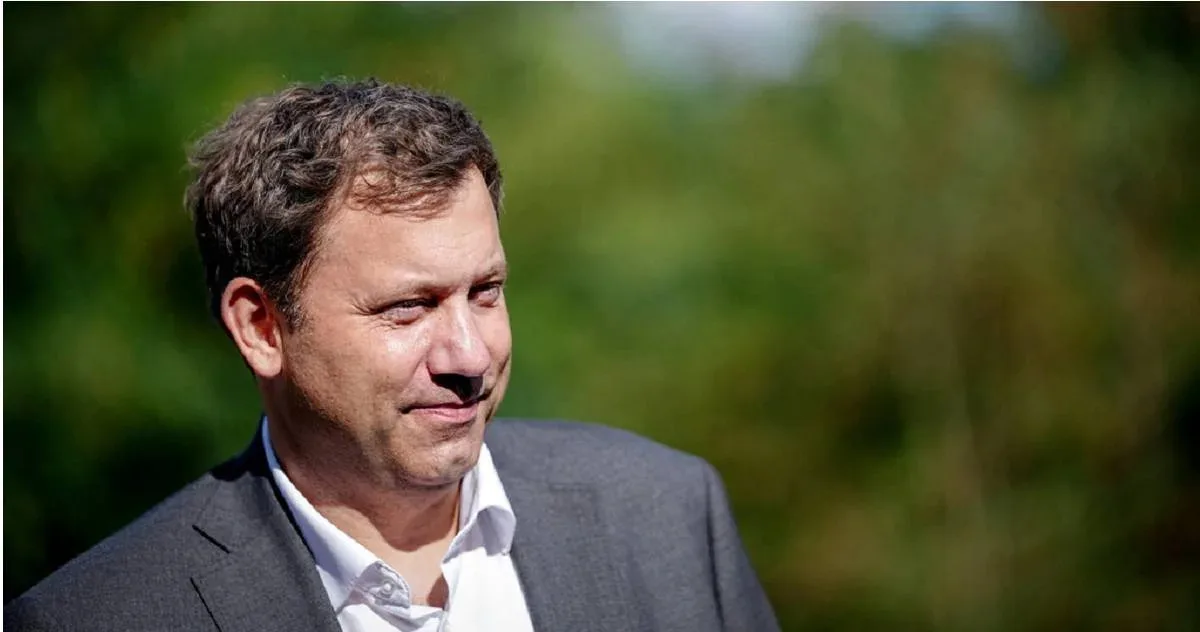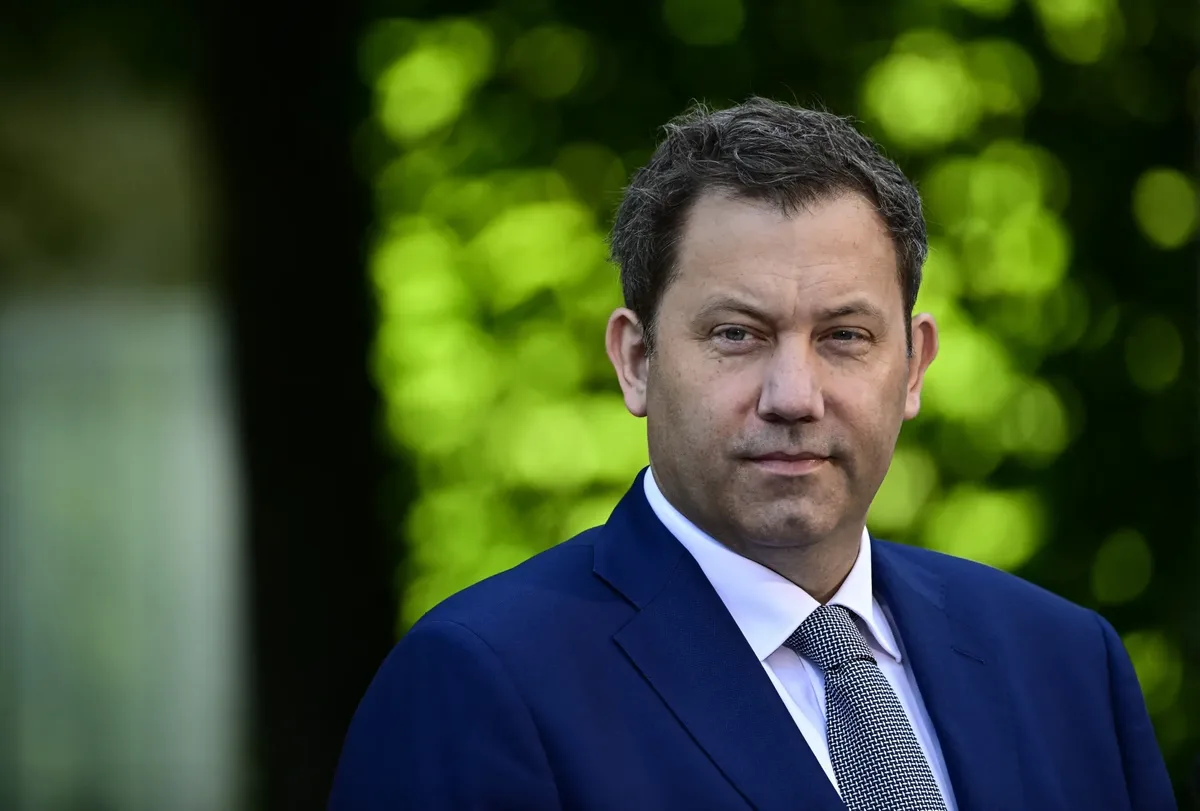
German Finance Minister Lars Klingbeil publicly attributed the surge in German government bond yields to former US President Donald Trump's war in Iran during a press conference in Liechtenstein on August 24, 2026 [1, 2]. Klingbeil said the conflict disrupted global energy supplies and caused inflation fears that pushed yields higher. Germany's 30-year government bond yield rose to 3.79%, its highest level in 15 years, reflecting the economic pressure from the US-Iran tensions [2].
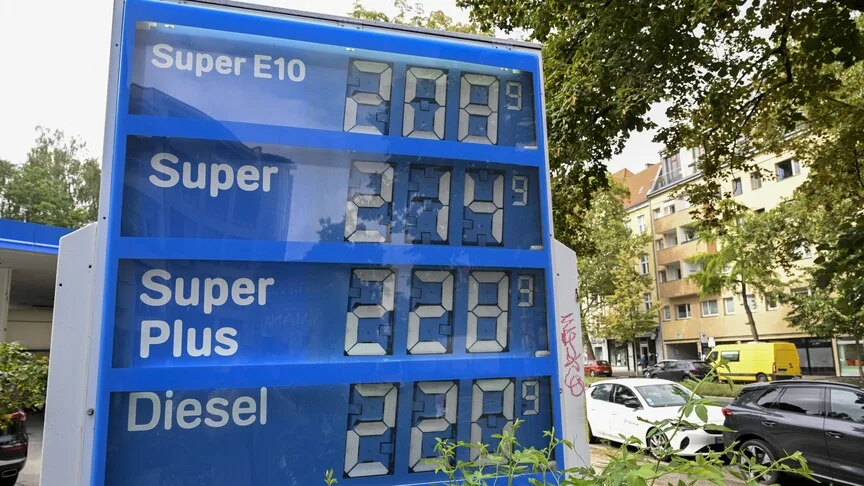
Rising yields on 10-year and 30-year bonds have increased borrowing costs across Europe, especially in Germany, complicating fiscal policy and putting strain on the economy [3, 1, 2]. Klingbeil linked the conflict to soaring fuel prices that have directly impacted German consumers, saying, "This war has changed nothing for the better in the region; it has also had profound economic effects on us. People in Germany and elsewhere are feeling the impact daily at the gas stations" [1].
The US launched 'Operation Economic Outcast,' described by Treasury Secretary Scott Bessent as the largest financial offensive ever aimed at severing Tehran’s economic lifelines [1, 4, 2]. At the same time, Iran threatened to close the Strait of Hormuz, a passage responsible for about one-fifth of global oil and gas transport, raising fears of further supply disruptions [4, 2].
In response to rising profits by oil companies amid higher fuel costs, Klingbeil called for a windfall tax on these firms to capture extra revenues generated by the conflict [1].
On the same day as Klingbeil's remarks, Germany sold a batch of 30-year government bonds at the 15-year high yield of 3.79%, underscoring investor concerns about inflation and geopolitical risk [2]. The US operation against Iran is ongoing, marking a significant escalation in economic measures tied to the broader conflict [1, 2].