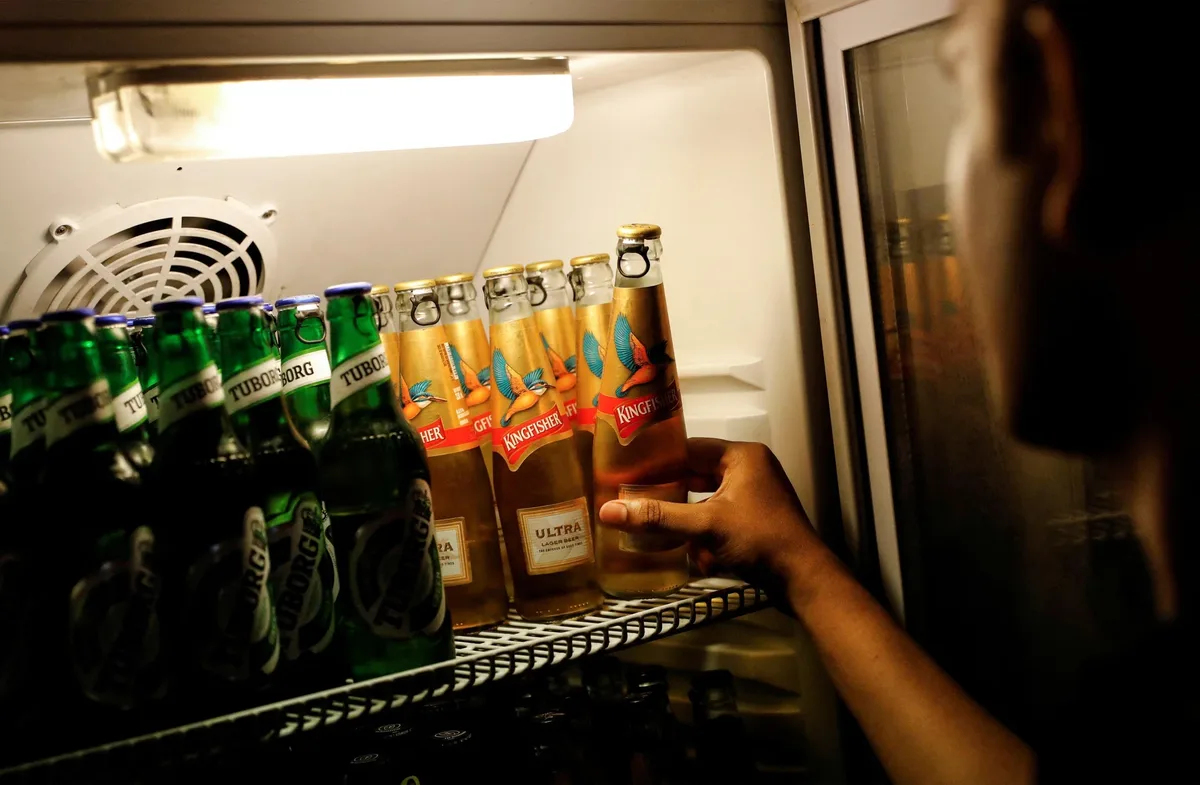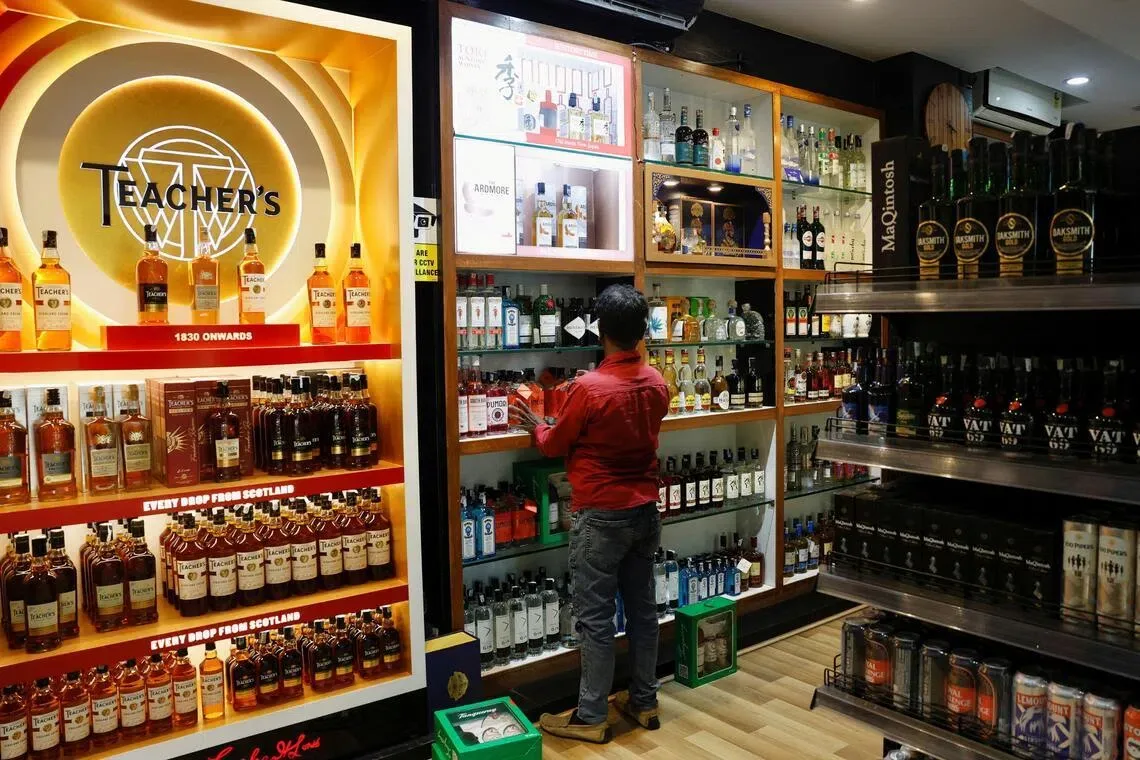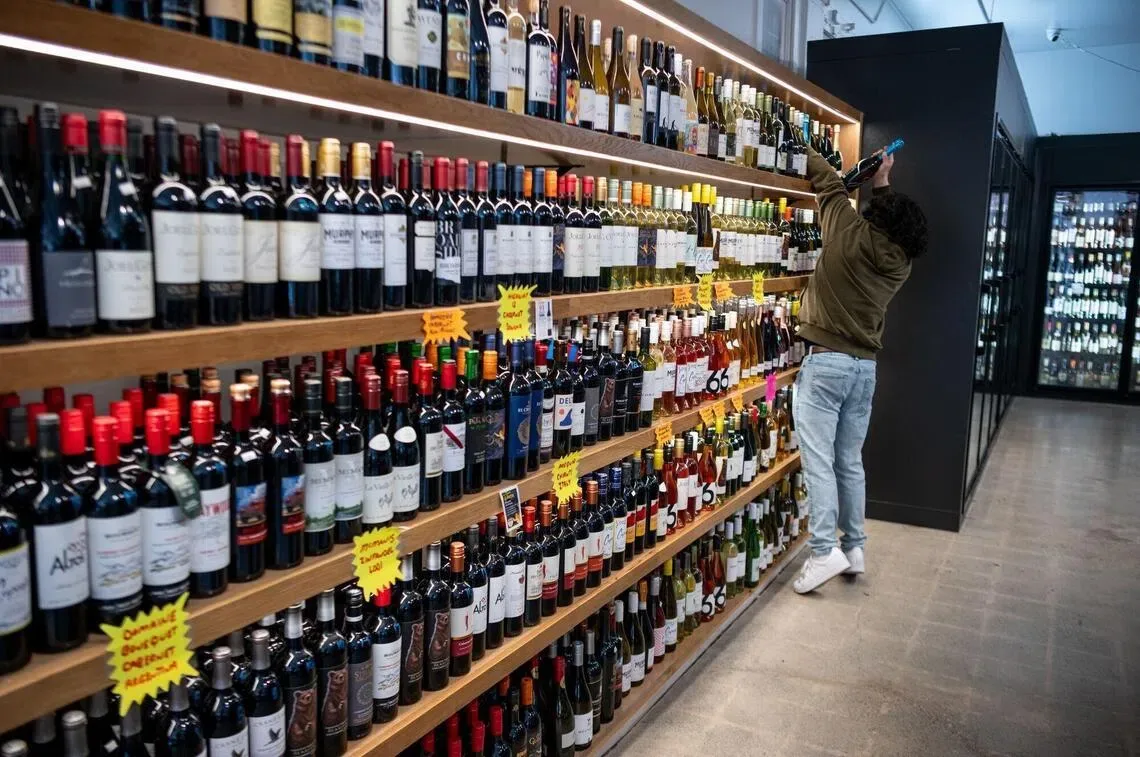
Global alcohol consumption measured by servings fell at a compound annual rate of 2% from 2019 through 2025, according to data covering 21 countries and global duty-free retail, which together represent about 75% of the worldwide alcohol market [1, 2].
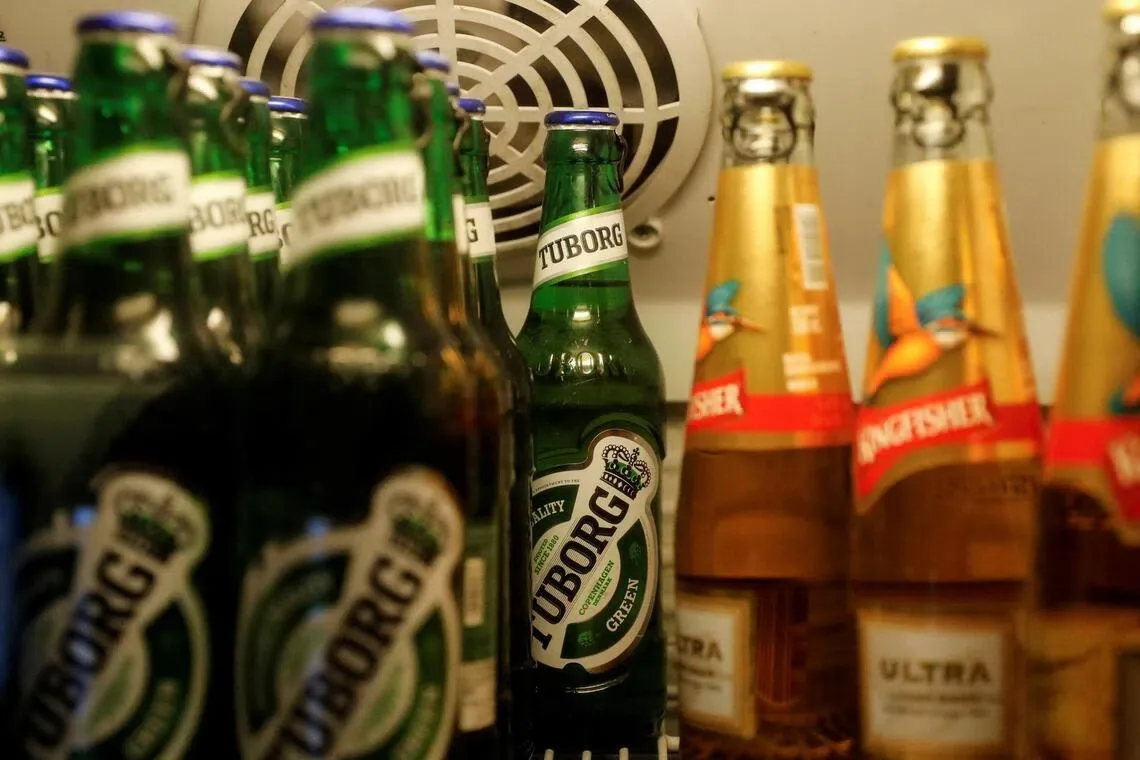
All major alcoholic beverage categories declined during this period, including beer, wine, spirits, hard cider, and ready-to-drink cocktails [1, 2]. Beer, historically the dominant category, performed among the weakest in recent years [2]. The drop continues a longer trend of falling demand starting roughly a decade ago, as seen in World Health Organization per capita consumption figures [2].
A pandemic-related exception occurred in 2020 to 2021 when consumption rose 2.3%, driven by increased drinking at home during lockdowns [2]. However, from 2022 onward the decline resumed, with alcohol consumption dropping 2.8% in 2025 compared to the previous year [2]. Concurrently, a global Euromonitor survey showed the share of weekly drinkers fell to 23% in 2025 from 25% in 2020, indicating fewer consumers drinking regularly [2].
The sustained decline is prompting alcohol companies to cut costs, replace executives, and innovate with new products in an effort to reverse sales slumps [1, 2]. Industry leaders face pressure to adapt as consumers shift drinking habits and seek alternatives.
The data highlights a continuing transformation in global alcohol consumption patterns through mid-2025. IWSR plans further market analysis for upcoming quarters as companies respond to the ongoing challenge.