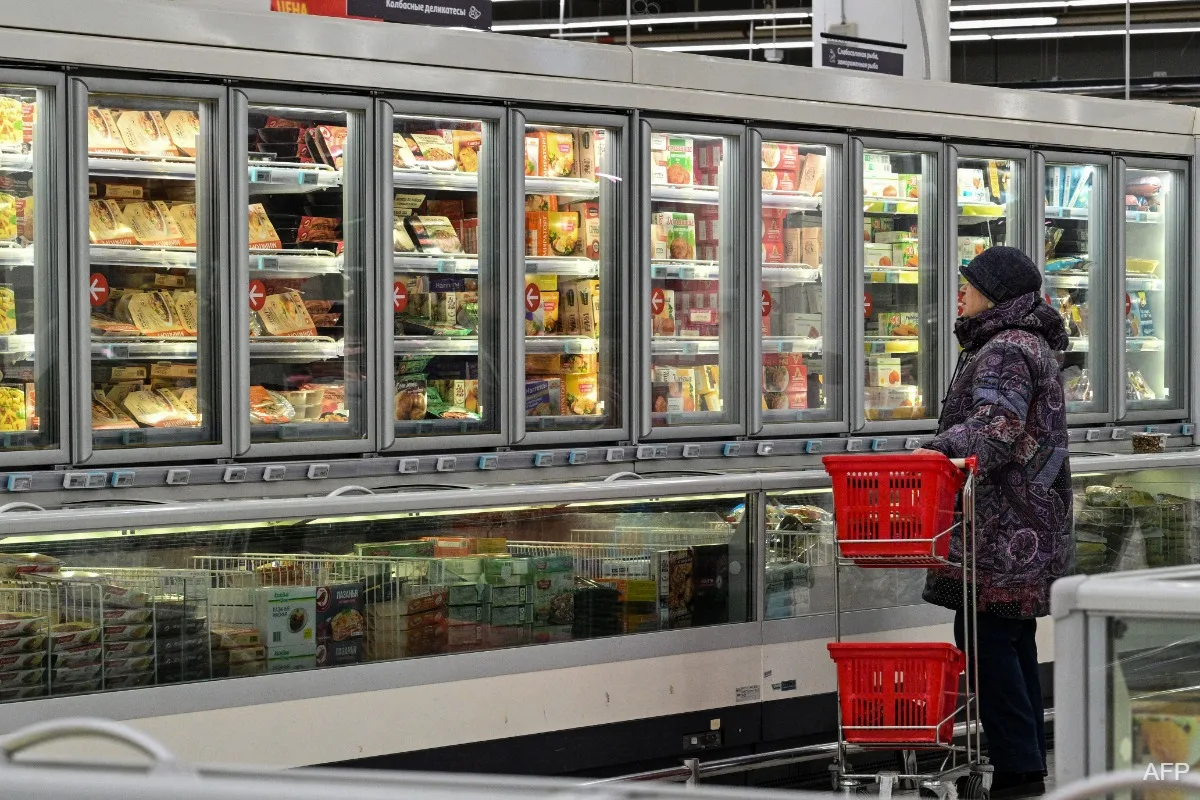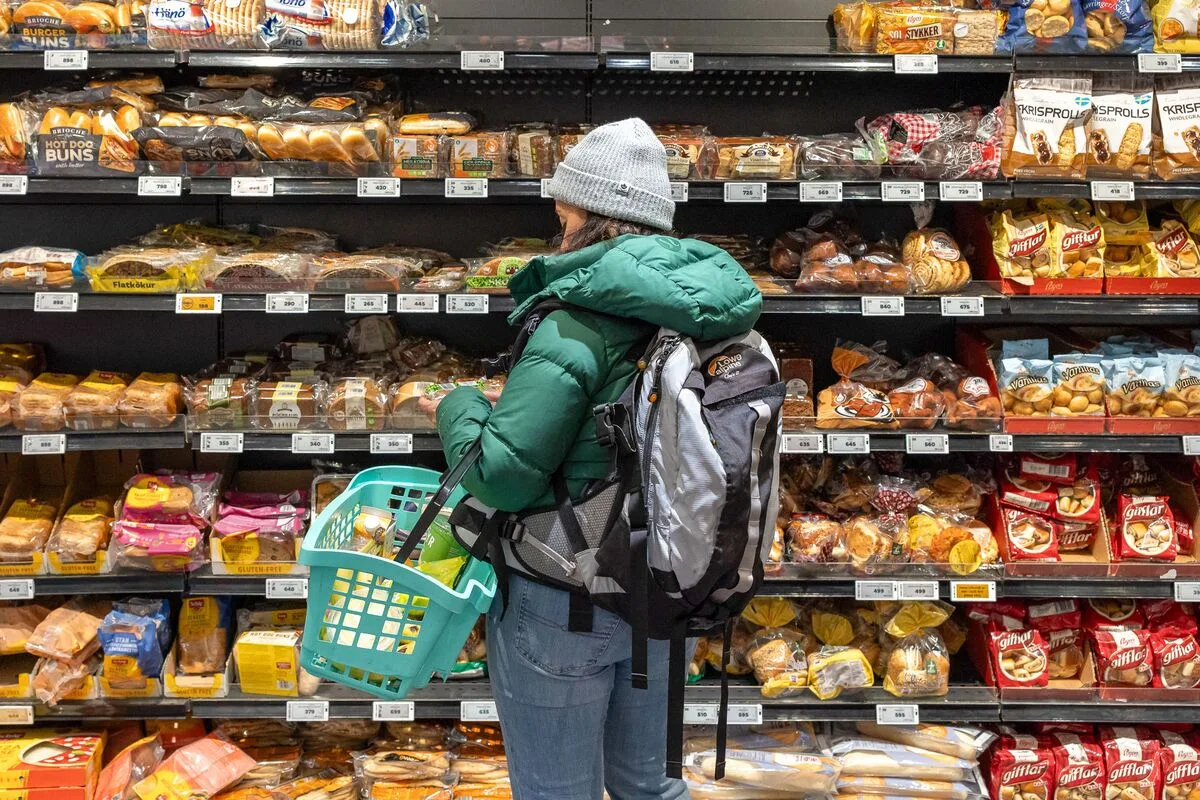
The United Nations Food and Agriculture Organization (FAO) announced that its food price index fell 0.2% in May 2026 compared to April, reaching 130.8 points. This ended five consecutive months of increases but kept the index near its highest level since January 2023 [1, 2, 3].
The small decline was mainly due to falling prices in vegetable oils and dairy products. International palm oil prices fell after rising for five straight months, pressured by weaker global import demand and uncertainty in crude oil markets [1, 2, 3]. Meanwhile, prices for grains, sugar, and cereals rose during May [1, 2, 3].
The FAO also reported that ongoing conflicts, particularly the war in Iran, have disrupted fuel and fertilizer supplies through the Strait of Hormuz. This disruption has caused input prices for farming to surge, raising overall food production costs [1, 2, 3].
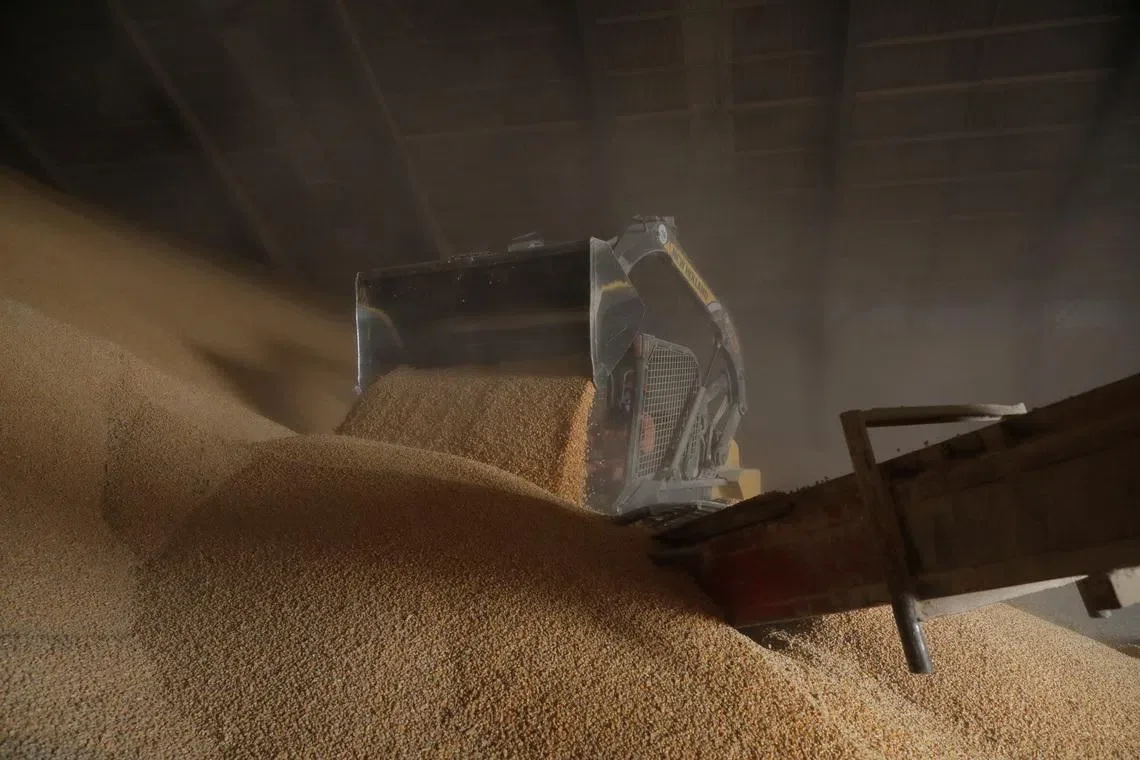
Looking ahead, the FAO expects world cereal production—including rice—to decline by 2% in the 2026/27 season, down to 2.98 billion tonnes. All major cereals are projected to see year-on-year decreases according to the agency's forecast [3].
The FAO released these May 2026 food price and cereal production data publicly on June 5, 2026 [3].