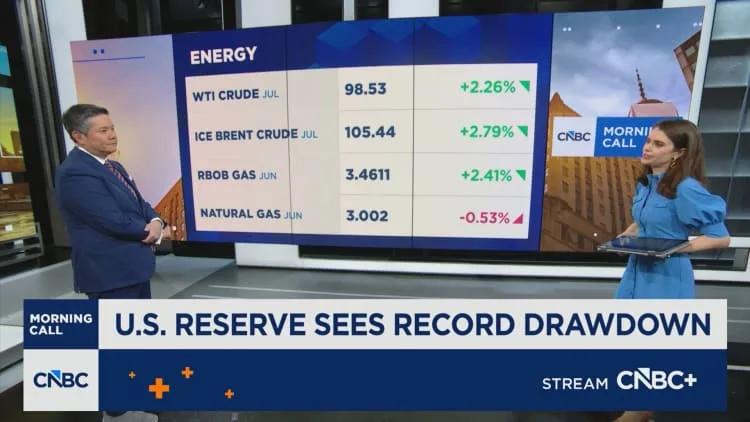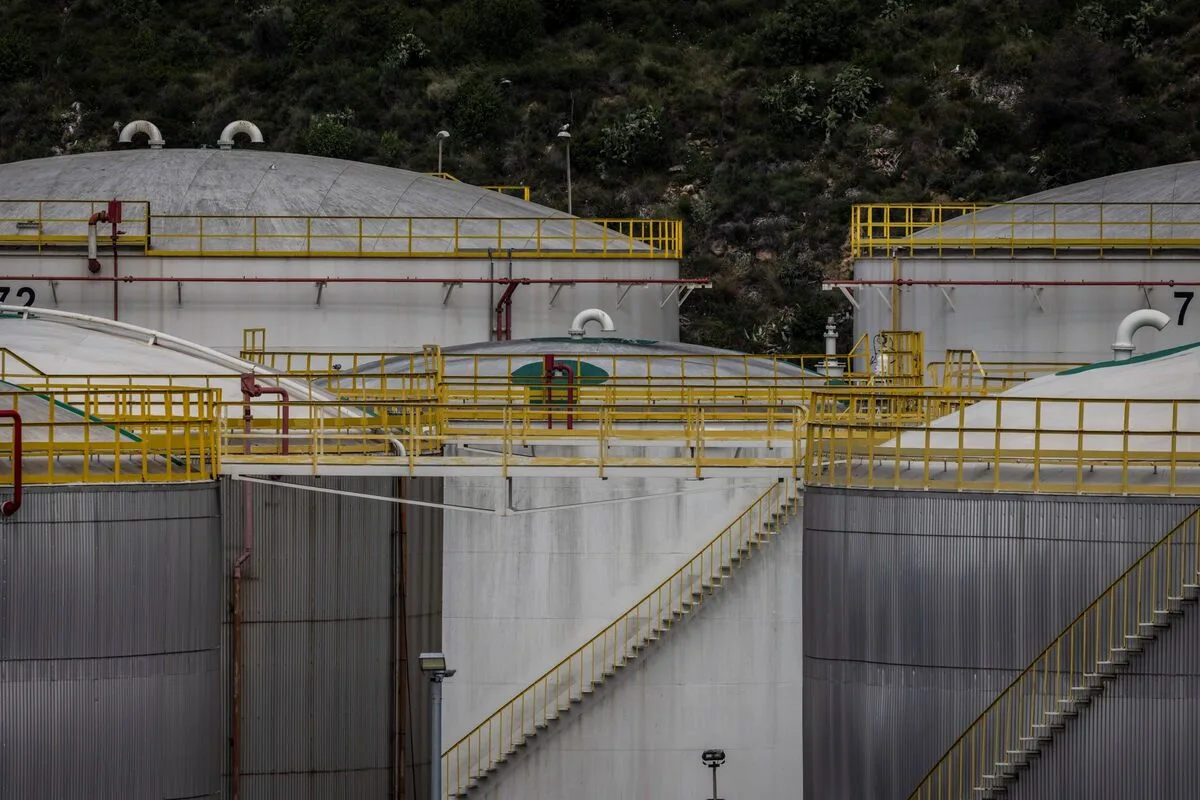
Global visible crude oil and product inventories dropped by a record 8.7 million barrels per day in May 2026, nearly double the average pace since the Middle East conflict began in late February [1, 2]. About two-thirds of the draw was due to declines in oil exports shipped on water, with import cuts spreading from Asia to Europe [2].
The Strait of Hormuz, a vital chokepoint for global oil flows, remains nearly closed amid a double blockade by Iran and the United States, allowing only about 5% of normal oil exports through the waterway [2]. Goldman Sachs analysts Yulia Zhestkova Grigsby and Daan Struyven said, "Physical markets continue to tighten, as estimated oil exports through the strait remain at a very low 5% of normal" [2].
In the US, crude inventories including the Strategic Petroleum Reserve fell by a record 17.8 million barrels in the week before May 20 as exports surged despite government attempts to ease supply shortages [2].
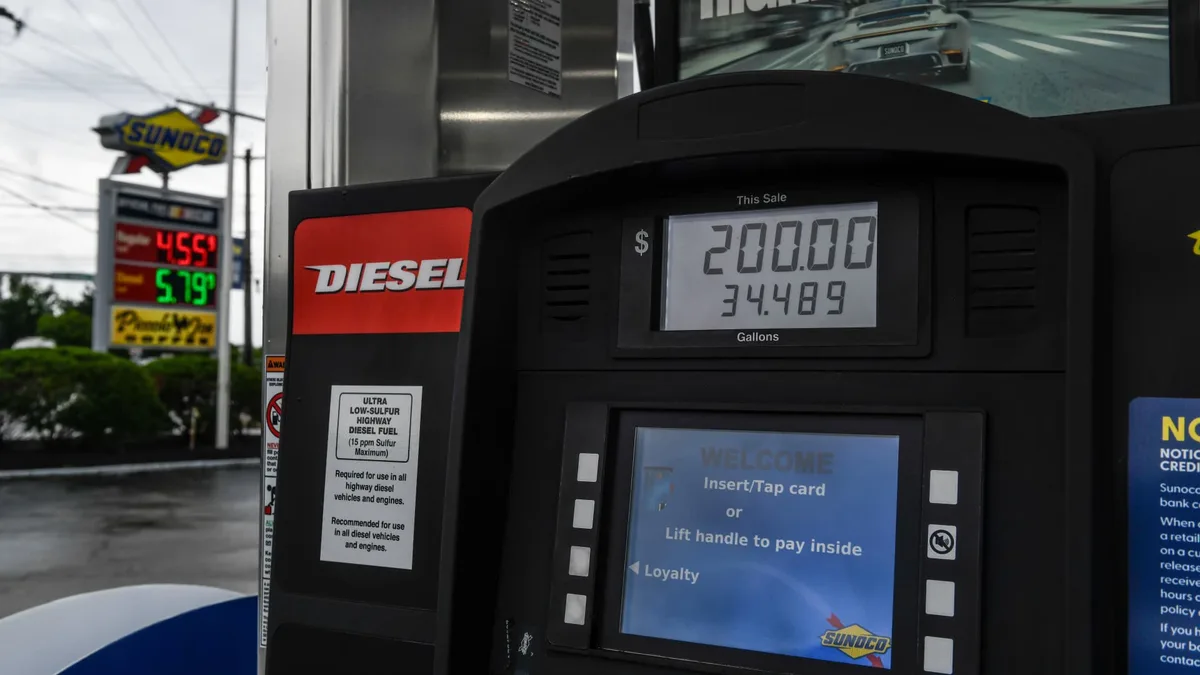
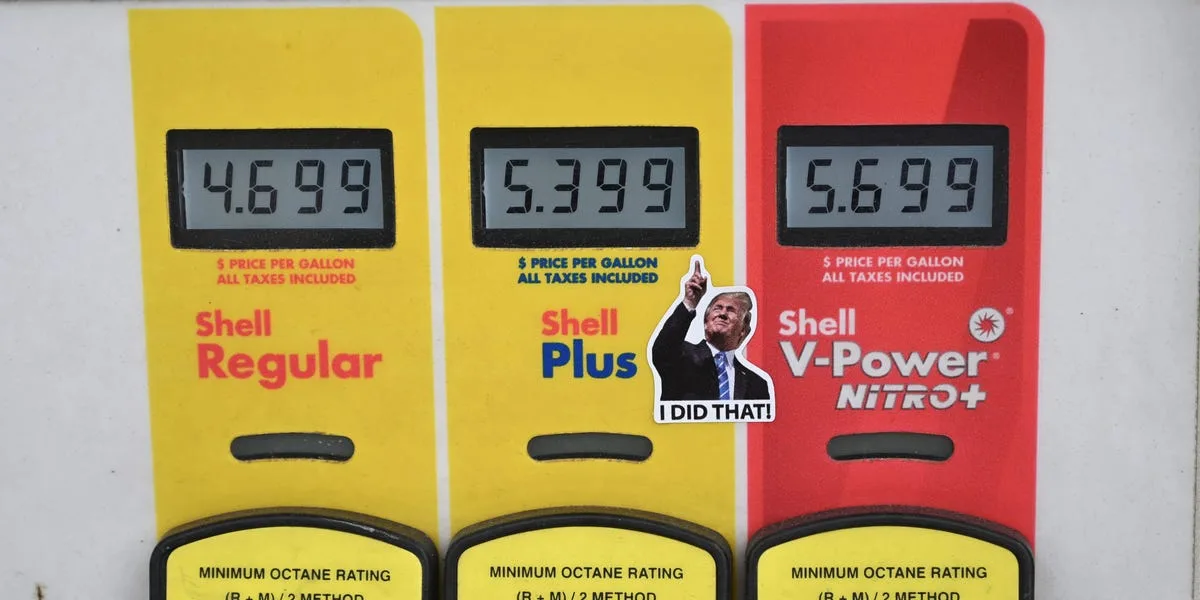
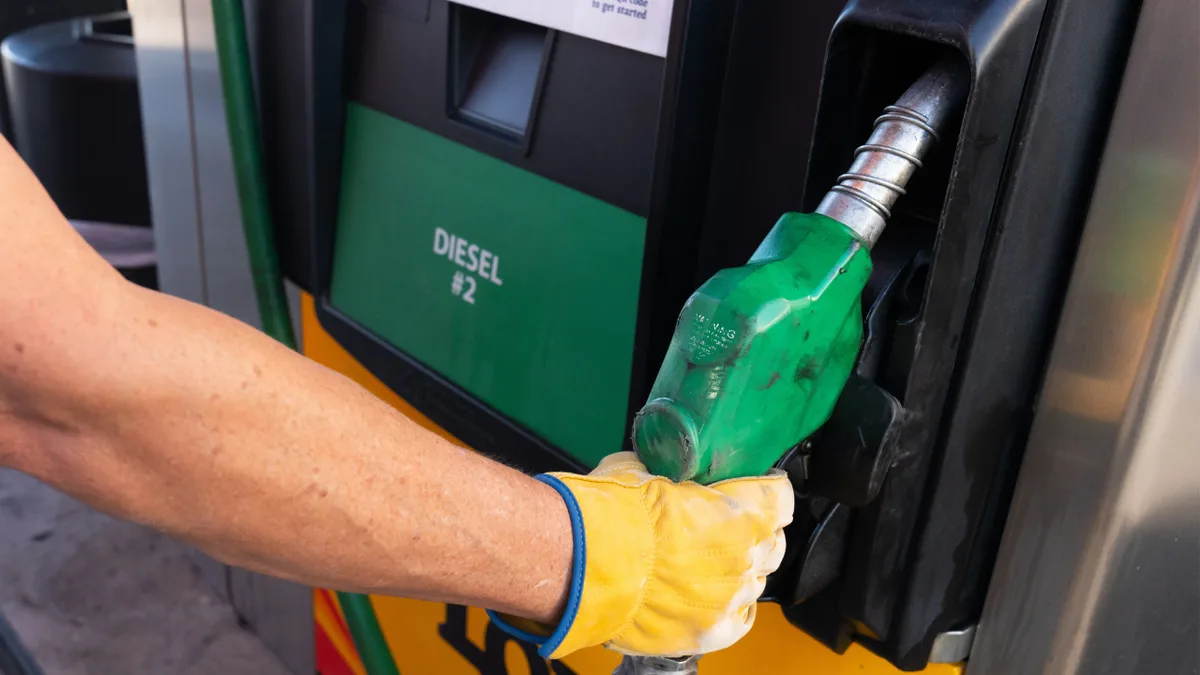
US average gasoline prices reached $4.55 per gallon on May 22, a more than 50% increase since the conflict began February 28, and the highest level before Memorial Day since 2022 [3]. Prices in California climbed to between $6.11 and $6.14 per gallon [4, 5]. Diesel prices also jumped sharply to $5.65 per gallon, adding pressure on supply chains and consumer costs [5].
Patrick De Haan, head of petroleum analysis at GasBuddy, said the market "needs to see verifiable, definitive steps taken to reopen Hormuz before the prospect of $5 gasoline is off the table" [3]. Despite temporary US measures, including Strategic Petroleum Reserve releases and federal gas tax holiday proposals, pump prices remain high nationwide [5].
President Donald Trump said a deal with Iran to reopen the Strait of Hormuz is "largely negotiated" and "final aspects and details of the Deal are currently being discussed, and will be announced shortly" [4]. However, analysts warn that US gasoline prices probably will not fully normalize until well into 2027 even if the chokepoint reopens soon [3]. Trump commented on the struggle, saying, "I don't think about Americans' financial situation. I don't think about anybody. I think about one thing: We cannot let Iran have a nuclear weapon" [3].
Travel demand remains strong over the Memorial Day 2026 weekend, with nearly 40 million Americans expected to drive despite high fuel costs. Stacey Barber, vice president of AAA Travel, said, "Many people are prioritizing leisure travel during holiday breaks" [4, 5].
The next major update on the United States' energy supply and the status of the Strait of Hormuz deal is expected soon, as President Trump has promised an imminent announcement about reopening the vital shipping lane [4].