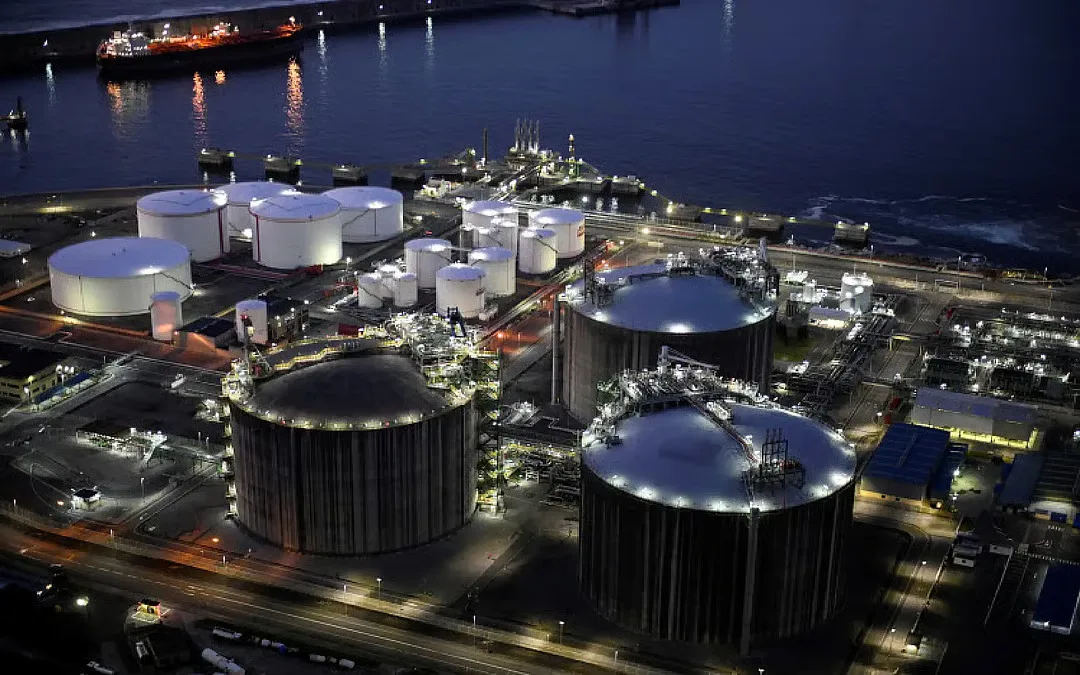
Asia’s oil inventories have fallen to near minimum operating levels, leaving very little immediately usable supply, analysts warned on May 25 [1, 2, 3, 4]. Jeff Currie, speaking at the UBS Wealth Conference in Singapore, said, “Asia, you're there. Europe, give it about another month, and look for July being a problem in the U.S.” [1]
Europe is on track to face similar supply strains by June, as temporary US oil exports to Europe taper off [1, 2, 3, 4]. The United States itself may confront severe energy shortages by July unless the supply situation improves [1, 2, 3, 4]. Much of the world’s remaining oil inventories serve to keep pipelines and storage systems operational, limiting the amount available for market use [1, 2, 3, 4].
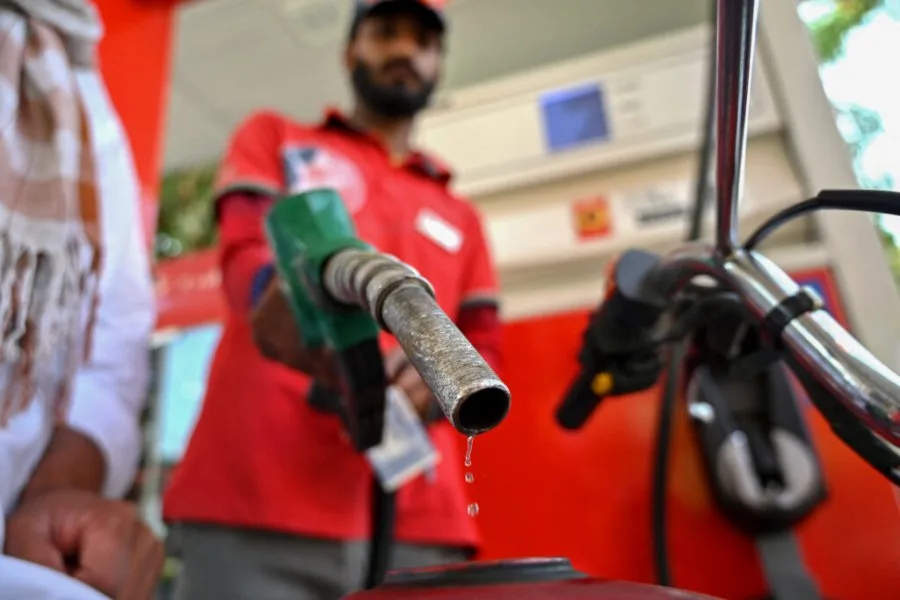
The Iran war and disruptions in the Strait of Hormuz have sharply cut Middle East energy exports, worsening the global supply crunch [1, 2]. Diesel prices in Singapore climbed above jet fuel prices, reflecting tighter product supply in key Asian hubs [1, 2]. The International Energy Agency warned that the supply squeeze could enter a “red zone” in July or August during peak summer demand if exports and inventories do not improve [1, 2].
Releases from the US Strategic Petroleum Reserve provide only a temporary relief and cannot solve the fundamental shortage [1, 2]. Meanwhile, Iran’s declining oil inventory positions it stronger in ongoing peace talks. Jeff Currie noted in Chinese, “每过1天,伊朗的谈判筹码就会增加……伊朗当前的谈判地位是过去47年来最强的一次。” (Each passing day increases Iran’s bargaining chip as their oil reserves fall; Iran’s current negotiating position is the strongest in 47 years) [2].
US President Donald Trump confirmed on May 25 that US-Iran negotiations are progressing well but warned that failure to reach a deal would lead to escalated conflict. He said in Chinese, “与伊朗的谈判进展良好!但……要不就是对所有人来说都是极好的协议,要不就完全不要达成协议(No Deal At All)。若未达协议,那我们就重返战场并开火,而且会规模更大、更强,没人希望看到那种局面!” (Negotiations with Iran are progressing well, but either a great deal for all or no deal at all; if no deal, conflict will escalate in size and strength, a situation nobody wants) [3, 4].
The key upcoming risk dates include Europe facing supply strain around June and the US confronting critical shortages by July 2026 [1, 2, 3, 4].