Global stock markets climbed to record highs this week, fueled by strong enthusiasm for artificial intelligence investments, despite ongoing geopolitical tensions in the Middle East [1, 2, 3]. The MSCI All Country World Index and major Asian shares surged as tech giants led gains.
South Korean Kospi and Taiwanese equities hit historic peaks, supported by standout performances from Samsung Electronics, SK Hynix, and TSMC [2, 4]. Taiwan’s stock market soared past 45,500 points multiple times in early June, closing at a record 45,557.31 on June 2, accompanied by one of the largest trading volumes in history at over NT$1.6 trillion [4, 5, 6]. Investors there showed heightened interest in AI-driven ETFs and tech stocks, contributing to the surge [4, 5, 6].
Nvidia’s launch of a new AI chip for laptops and desktops further boosted market sentiment. Nvidia’s shares climbed alongside Microsoft’s, reflecting their partnership on AI technology [7, 4]. However, some semiconductor stocks such as Qualcomm, AMD, and Intel declined amid mixed responses to the chip announcement [7]. Morgan Stanley strategist Andrew Sheets noted 2026 as a "very 'macro' year" shaped by AI and Middle East developments impacting asset markets [2].
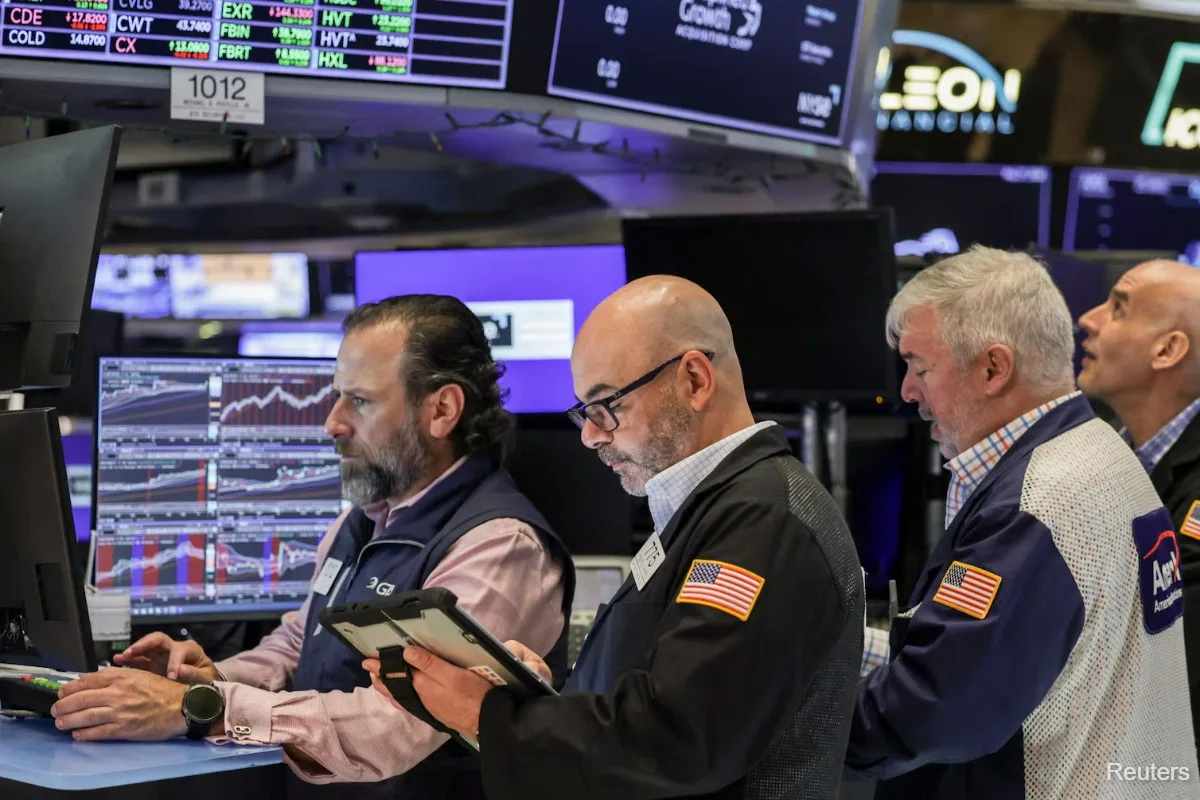
In the US, the S&P 500 surpassed 7,600 points on June 3, marking a nine-day winning streak—the longest since May 2025—and closing at 7,609.78 [8, 9, 6]. The Dow Jones Industrial Average and Nasdaq Composite also reached record closing levels, with the Philadelphia Semiconductor Index rising 5.87% [6]. Goldman Sachs CEO David Solomon described current market sentiment as driven more by greed than fear, saying, "We are definitely in a moment where there’s more greed than there is fear. The capital is available" [8, 10]. US labor market resilience was also evident, as job openings hit their highest level in almost two years in April despite geopolitical and energy pressures [8, 10].
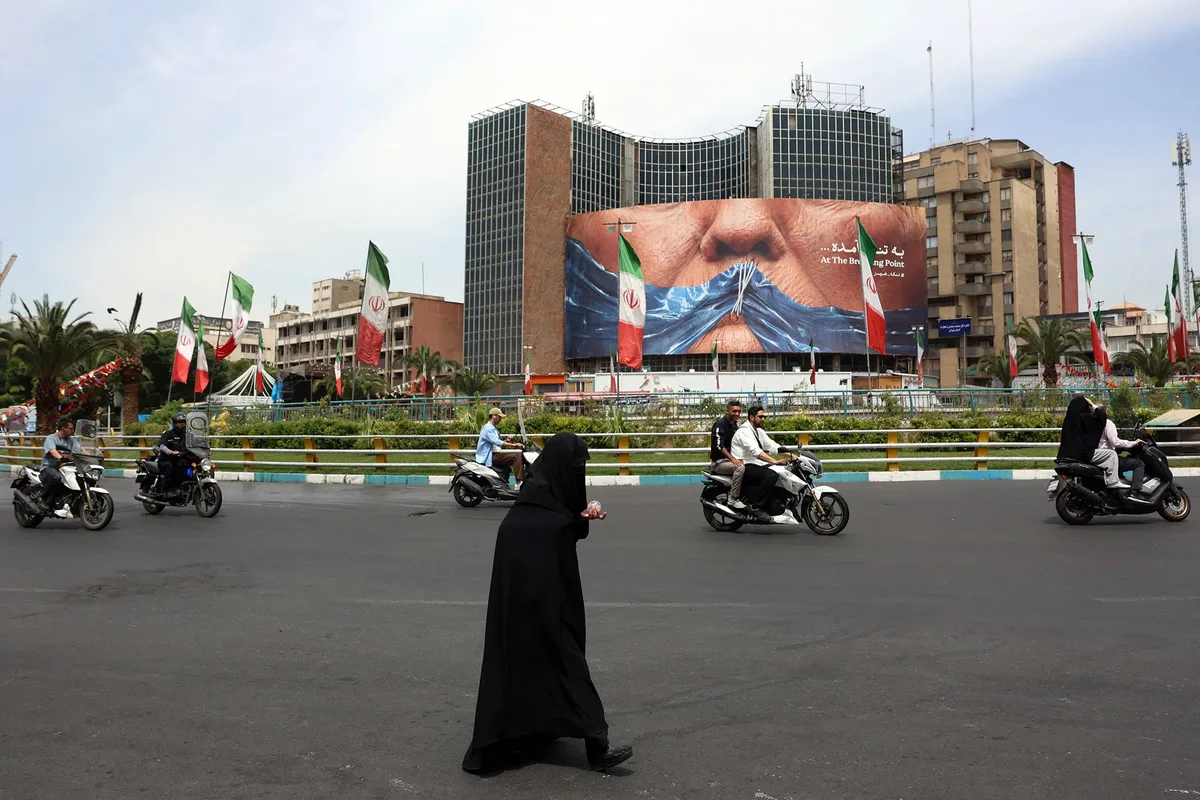
Oil prices rose 2-5% due to ongoing hostilities involving Iran, the US, Israel, and Hezbollah in Lebanon. Brent crude stood at $94.12 per barrel on June 1 [1, 2, 7, 3, 9]. US Secretary of State Marco Rubio warned that Iran has mined "large segments" of the Strait of Hormuz and fired on commercial ships, threatening a key global oil shipping route [9]. The Pentagon has actively countered Iranian missile and mining threats near the strait [9].
Ceasefire talks between the US and Iran remain stalled with conflicting reports. While US officials expressed cautious optimism about reaching an interim peace deal soon, Iran reportedly paused talks in protest against Israeli attacks on Lebanon, complicating diplomatic progress [1, 2, 7, 4].
The Taiwan market's strong momentum continued through early June, with the index surging 1,096 points to 44,732.94 on May 29 and setting multiple new highs since [4]. Strategic investor Louis Navellier said, "Tech continues to dominate the market. The trend remains positive, with the catalyst for further material gains possible with a resolution with Iran" [8].
Investors will watch for renewed developments in US-Iran negotiations and further corporate AI announcements that could sustain market momentum.