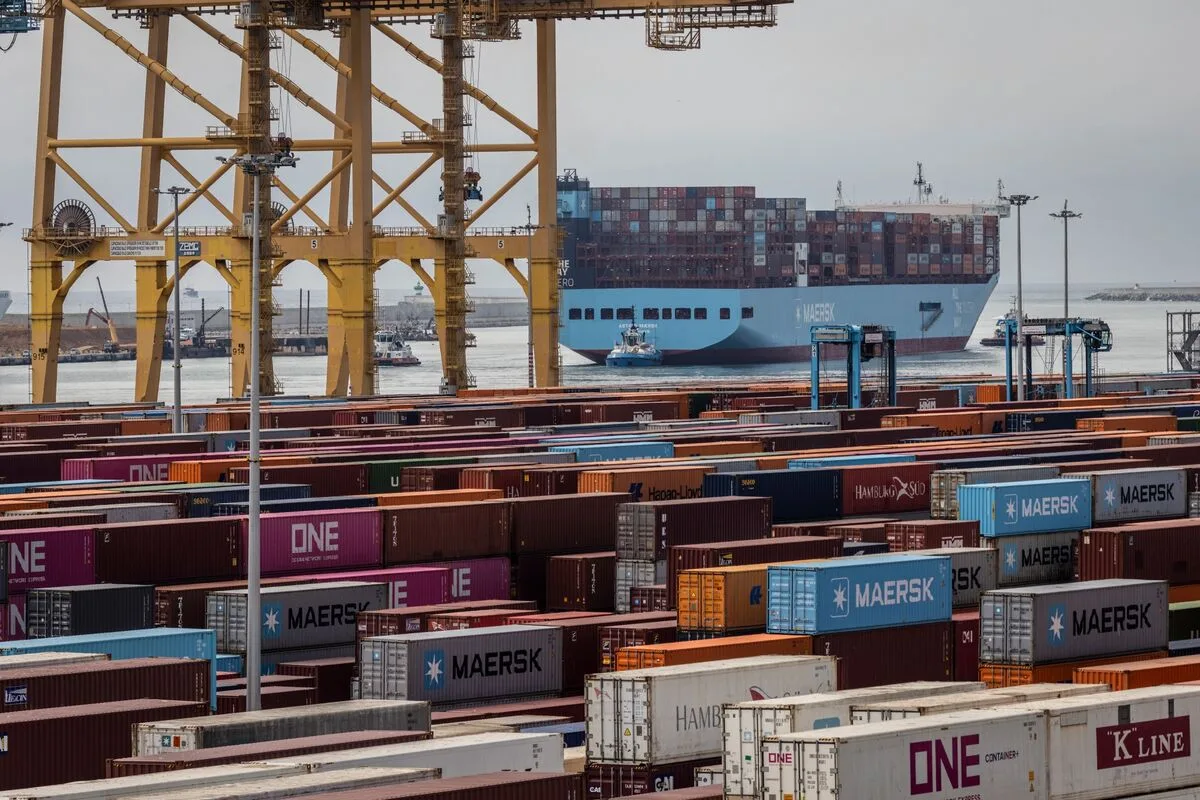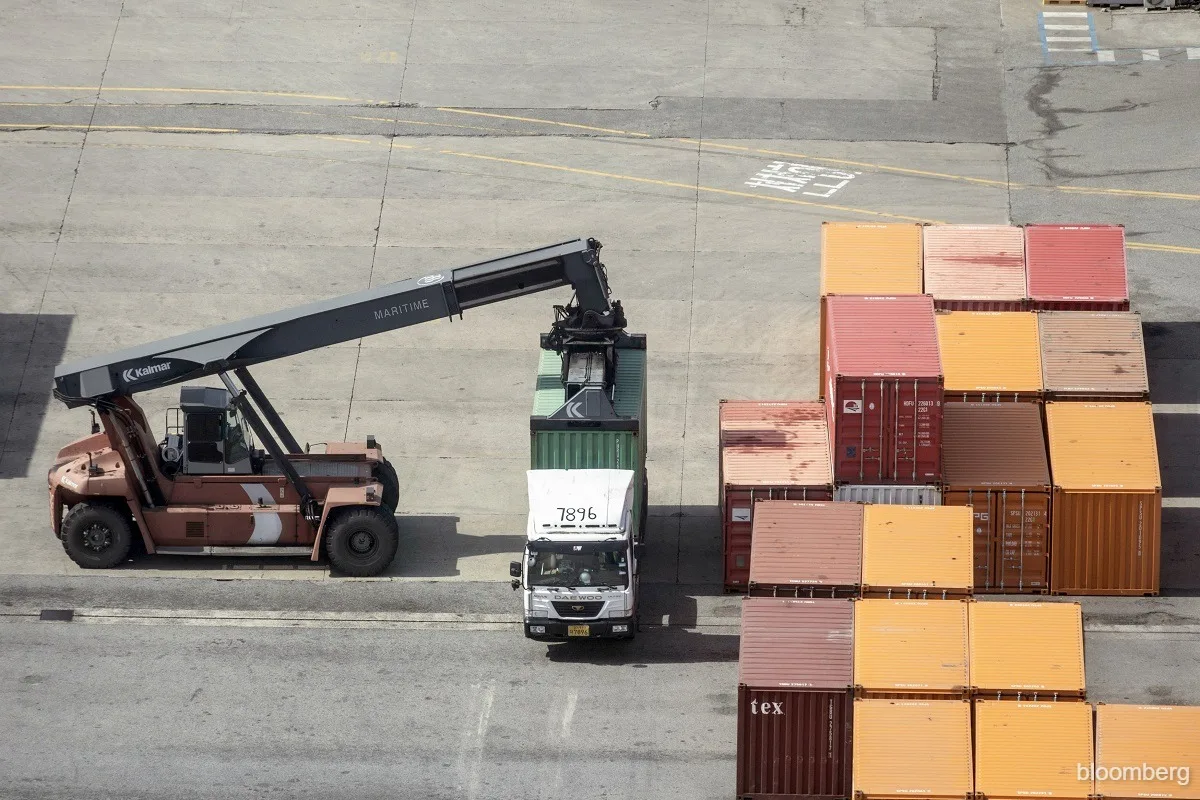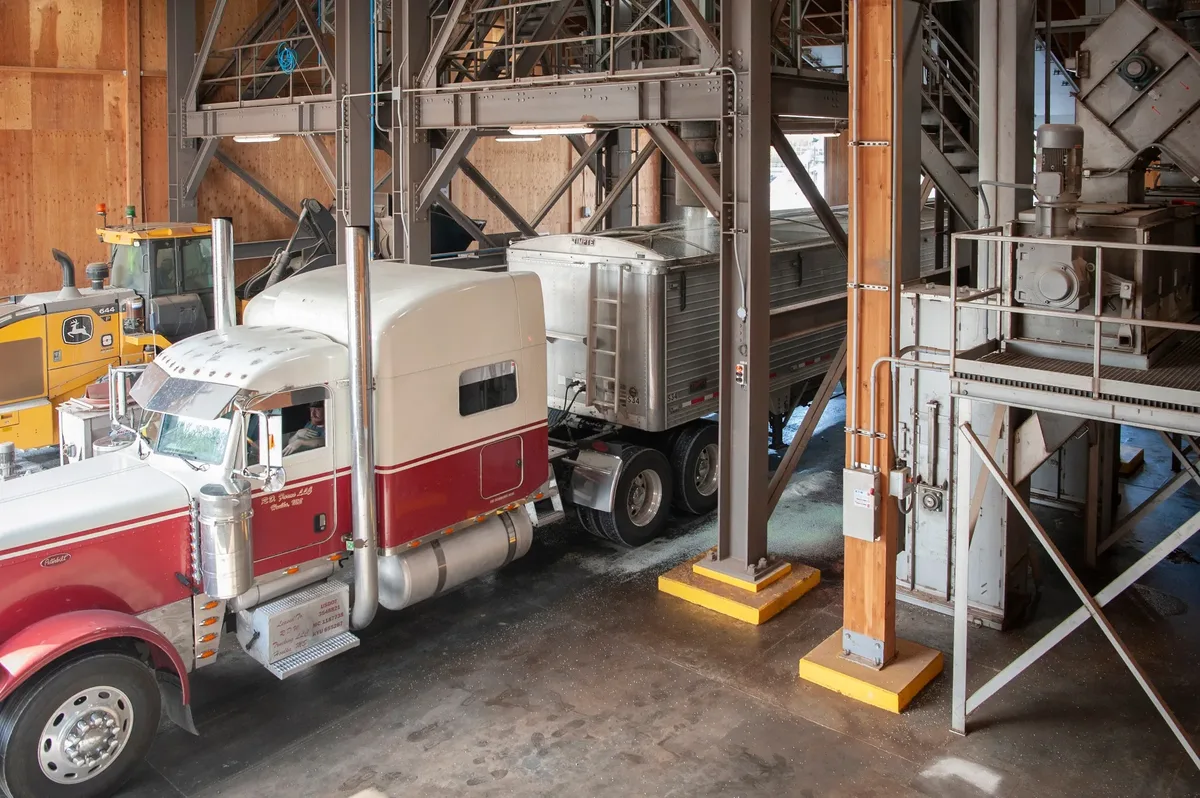
A global surge in stockpiling manufactured goods is underway due to fears of an energy supply crunch amid the third month of war in the Middle East [1, 2]. Purchasing manager indexes (PMIs) for May are projected to show continued expansion in industrial activity in key economies, partly driven by front-loaded stockbuilding ahead of potential supply disruptions [1, 2].
The May PMI results will provide insight into how rising energy costs and supply chain challenges linked to the Middle East conflict are impacting major economies [2]. Countries in the eurozone, including Germany, appear to be the worst affected, while the UK and Japan show more resilience [2]. Bloomberg Economics noted that "Euro-area GDP increased by only 0.1%. The war in Iran and the associated commodity shock had already started to dent the economy, even though the conflict only began in late February" [2].
Central banks remain closely focused on pipeline inflation pressures caused by the supply and cost disruptions ahead of their monetary policy meetings mainly scheduled for June [2]. The Group of Seven finance ministers convened in Paris starting May 18 for two days to discuss global growth, bond market fragility, economic imbalances, and rare earth commodity issues linked to the ongoing tensions [2].
Upcoming economic data releases include the European Commission's latest economic outlook set for May 20, accompanied by German Ifo and French business confidence index reports [2]. These will serve as key barometers for assessing how the Middle East war continues to influence growth prospects and market stability in Europe.
The euro-area's fragile 0.1% GDP growth rate amid these shocks underscores continuing challenges. Policymakers and markets will watch closely as further PMI readings and official reports shed light on the conflict's evolving economic impact [2].