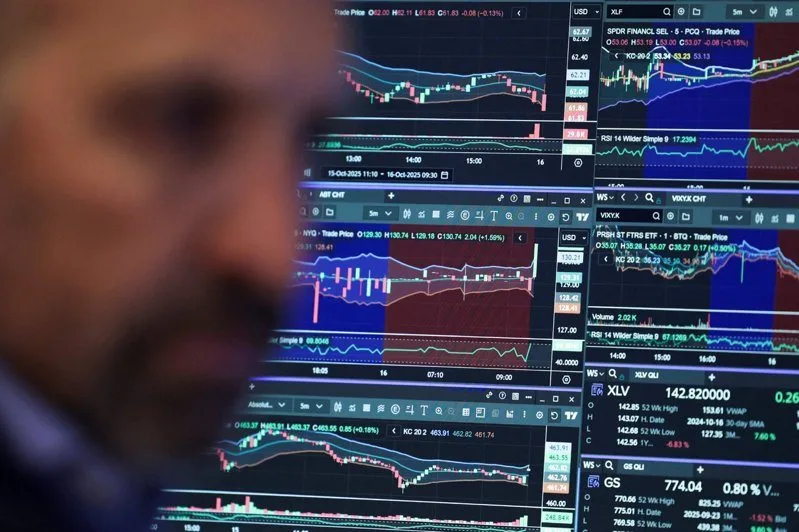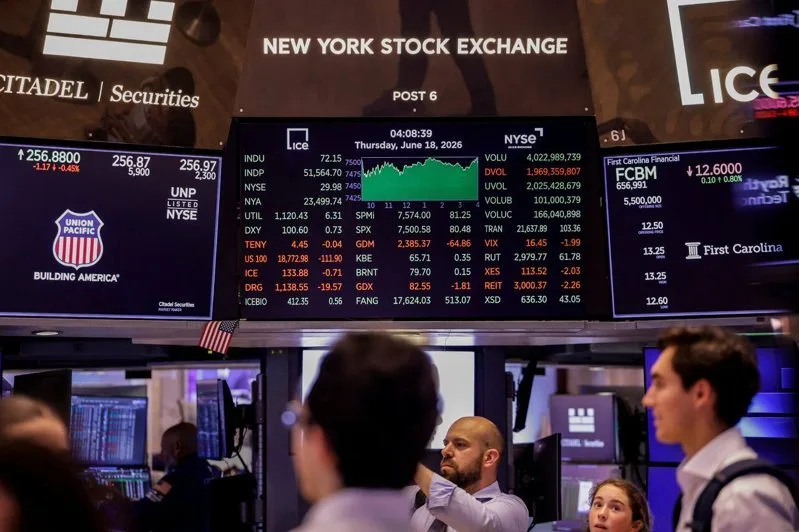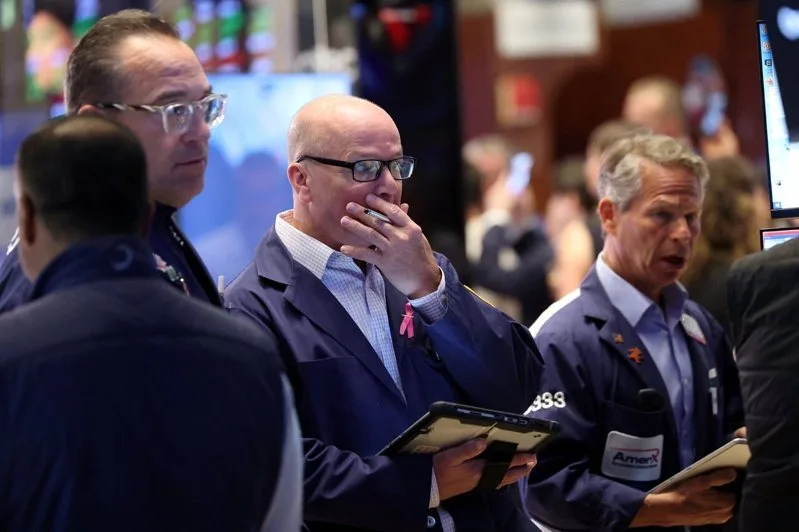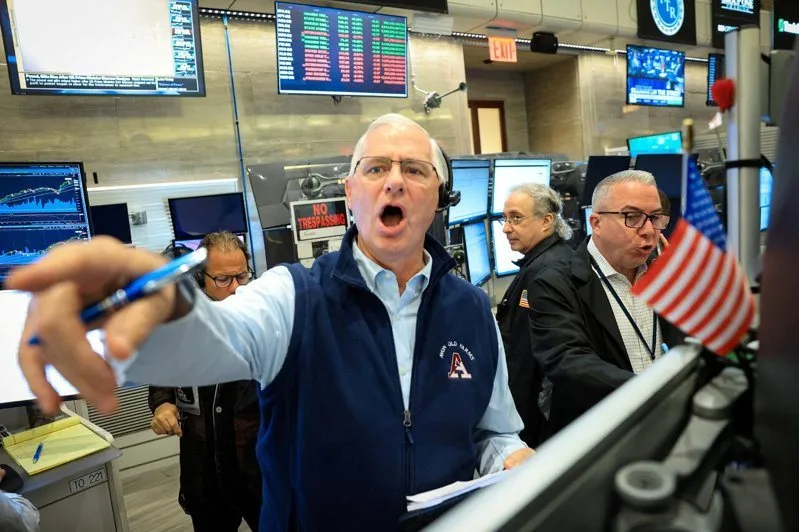
Major US stock indexes fell sharply on June 23, 2026, with the Philadelphia Semiconductor Index dropping 7-8%, Nasdaq down about 2%, and the Dow and S&P 500 also declining [1, 2, 3]. Chip stocks led losses as Micron and Sandisk slid 11-13%, South Korea's SK Hynix and Samsung Electronics fell over 10%, and Nvidia dropped 3-4% [1, 4, 2].
Investors focused on concerns about upcoming Federal Reserve interest rate hikes under new Chair Washington and heavy corporate borrowing to fund AI infrastructure projects [1, 2, 5]. This pressured tech valuations amid fears that AI-related capital expenditures could increase corporate debt significantly [1, 2, 5]. The "MAG7" tech giants — Alphabet, Amazon, Apple, Meta, Microsoft, Tesla, and Nvidia — officially entered correction territory on June 23, falling more than 10% from recent peaks [5, 6].
SpaceX shares fell below their IPO opening price of $150 multiple sessions from June 23 to 26, pressured by market conditions following its IPO and plans for a $20 billion bond issuance [1, 4, 3]. The Philadelphia Semiconductor Index showed volatility on June 24, rising initially before dropping again amid nervousness ahead of Micron's earnings report [7, 8]. On that day, Brent crude oil dropped below $75 per barrel and gold fell below $4,000 per ounce [7, 8].
Micron was set to release earnings after the June 24 market close, with analysts expecting an EPS of $20.83 and revenue of $35.75 billion [7, 8]. Despite continued selling, bullish investors noted that sharp one-day semiconductor sell-offs have historically led to gains 88-94% of the time within 1 to 6 months [9, 10]. Fundstrat co-founder Tom Lee called the declines a "buying opportunity" (「這些回檔,可謂買進機會。」) [9].
By June 26, semiconductor stocks continued their week-long decline, with the Philadelphia Semiconductor Index down about 7.9%, Micron down 6.7%, and TSMC ADR down 6.4% [3, 11]. Meanwhile, a capital rotation occurred as investors moved funds from overvalued chip stocks into broader market stocks benefiting from economic growth and corporate earnings. The equal-weight S&P 500 reached record highs during this shift [3, 11]. Morgan Stanley and Barclays analysts raised their year-end S&P 500 targets to 7,800 points, signaling optimism despite persistent rate hike concerns and AI spending pressures [3, 11].
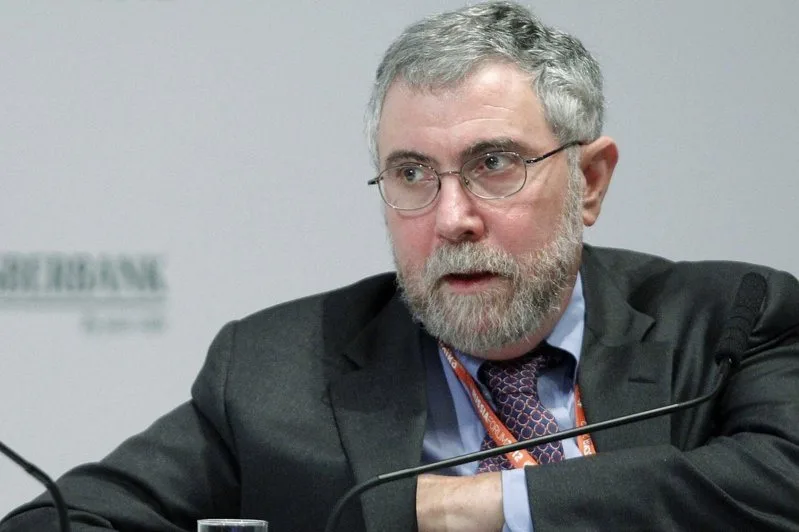
Nobel laureate economist Paul Krugman characterized the semiconductor sell-off as a "quasi-bubble quasi-bursting," linking it to market overreaction and AI hype he described as a "social delusion" (「這波AI熱潮不只是資產價格膨脹,而是企業、投資人與社會情緒共同推動的流行現象,缺乏自然生成的需求基礎,因此更像社會妄想。」) [12]. Microsoft CEO Satya Nadella suggested a corporate shift toward cheaper, less power-intensive AI models, saying "we should not entrust such vast power and funds to large AI companies and should use more affordable AI models" (「我們不該把這麼大的權力和巨額的資金交給大型AI公司,而且應該使用較便宜的AI模型。」) [12].
Nationwide chief strategist Mark Hackett noted the sell-off "does not appear to be the start of a major downturn but rather an underlying consolidation" (「看來不像一波重大跌勢的開端,更像是表面之下正在整理。」) [3]. The next key event is Micron's earnings release after market close on June 24.