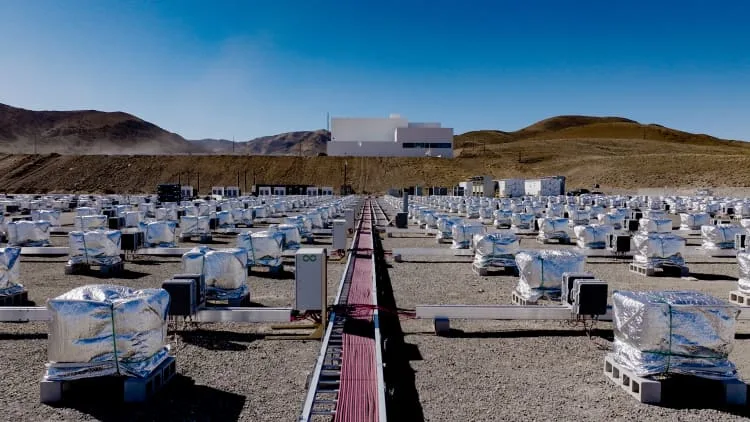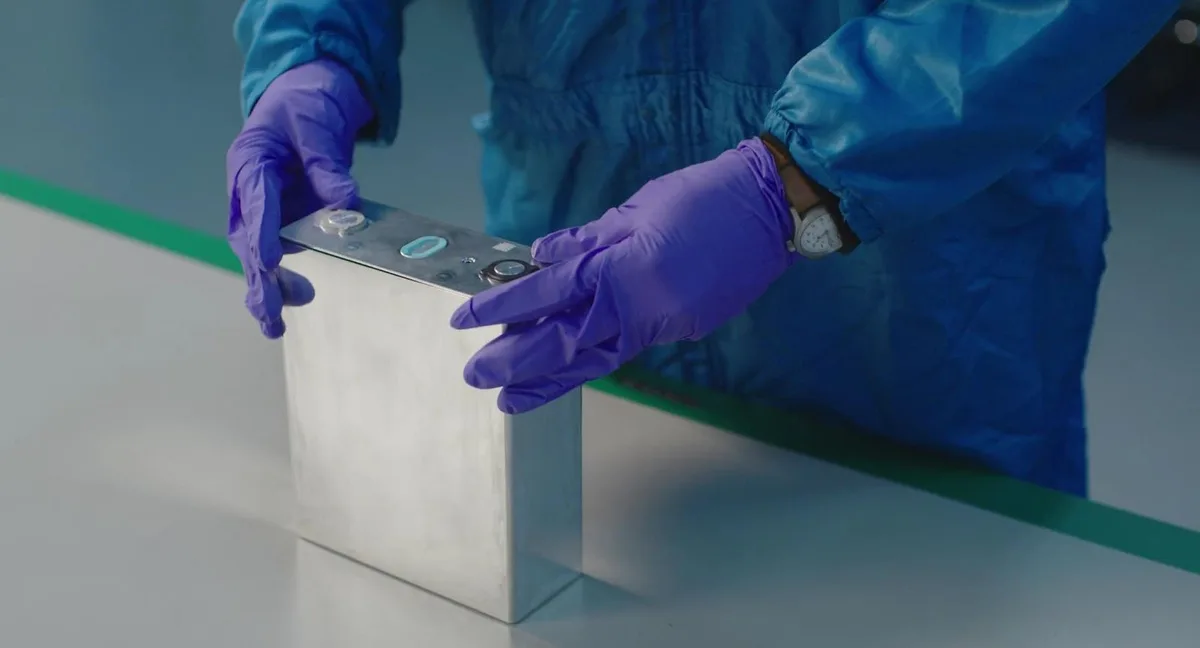
General Motors is developing next-generation sodium-ion battery cells designed for grid-scale energy storage, company officials announced today in a joint statement with Denver-based startup Peak Energy [1, 2, 3]. The collaboration targets energy storage applications including AI data centers and the electric grid.
GM expects to commercialize the sodium-ion cells and begin production trials after 2028, signaling a multi-year development timeline [1, 2, 3]. The automaker has committed $900 million to bring new battery chemistries, including sodium-ion, to market [2]. Peak Energy’s leadership team consists of former employees from Tesla, Lockheed Martin, and Northvolt [1].
“Sodium-ion-powered energy storage systems have the potential to operate without active cooling and with much less system complexity,” said Kurt Kelty, GM Vice President of Battery and Sustainability [1]. GM’s prototype cells perform well even at high temperatures around 55 Celsius (131 Fahrenheit), which typically challenge other chemistries [3]. Kelty said, “The competitors just can’t handle that heat, whereas our cells will. What that gets you is the ability to deploy an energy storage system without active cooling” [3].
This lack of active cooling reduces both the complexity and operating costs compared to lithium iron phosphate (LFP) batteries commonly used in stationary storage today [1, 2, 3]. Sodium-ion batteries have a longer usable life of about 20 years and use materials that can be sourced domestically in the U.S. [3]. Although they may have a higher initial cost than LFP, sodium-ion systems can achieve at least 20% cost savings over time through simplified operation [3].
Paul Menson, GM Director of Energy Storage Commercialization, explained, "This is the manifestation of the hardest part to engineer is no part at all. Eliminate the part, eliminate the problem" referring to the cooling systems [2]. Kelty added, "Sodium-ion actually is the better chemistry for that application. And when I say sodium-ion is better, I mean GM’s version of sodium-ion" [3].
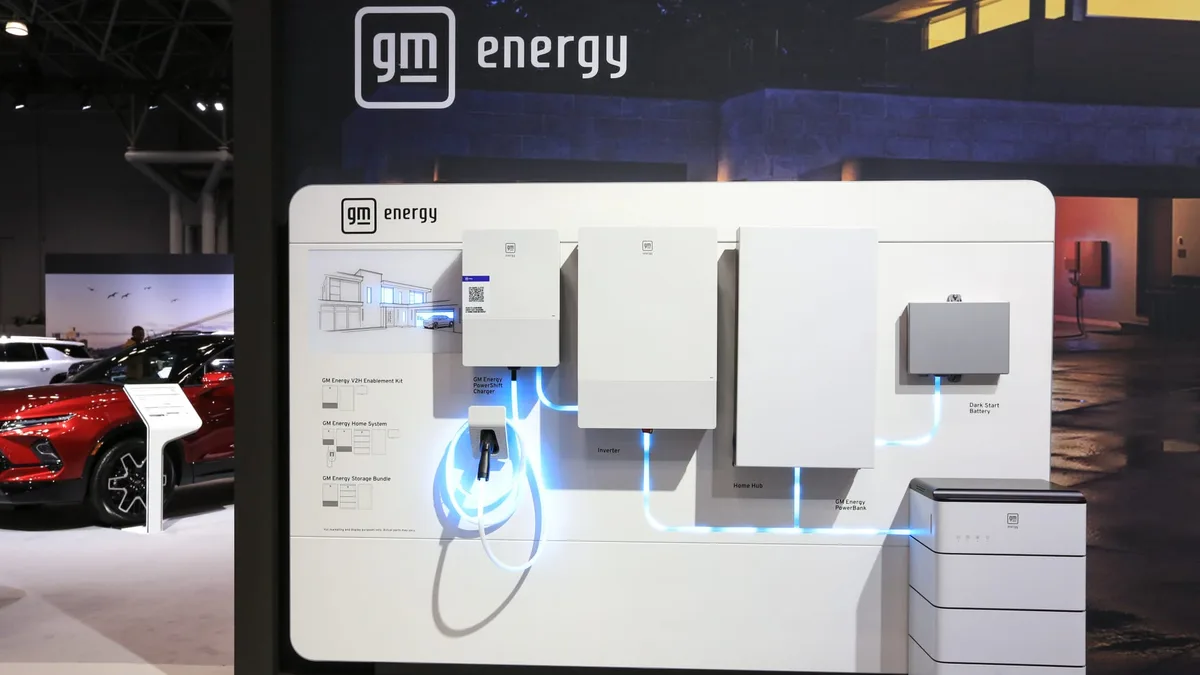
Alongside research on sodium-ion, GM continues development in related areas. The company is working on reusing large electric vehicle batteries with recycling firm Redwood Materials and producing LFP cells in partnership with LG Energy Solution [1, 2, 3]. It also plans to develop new lithium manganese-rich batteries for pickups and SUVs by 2028 [3] and is expanding vehicle-to-grid capabilities to allow EVs to send energy back to the electrical grid [1].
The partnership announcement today marks a key step as GM moves to commercialize advanced battery chemistries beyond lithium-ion. Production trials and customer use of sodium-ion cells are expected around 2028 and beyond [1, 2, 3].