President Donald Trump said the US could sign a peace deal with Iran as soon as this weekend to end the ongoing war, calling it “a very strong memorandum of understanding that is a little bit conceptual,” though the pact is not finalized and Iran has not confirmed any agreement [1, 2, 3].
The US-Iran war has lasted about four months and disrupted energy flows through the Strait of Hormuz, pushing oil prices higher and raising global inflation fears [1, 4, 3, 5, 6, 7]. Renewed US airstrikes on Iran from June 9 to 10 followed Tehran’s downing of a US Apache helicopter, escalating hostilities and disrupting oil shipments further [4, 5, 6, 8].
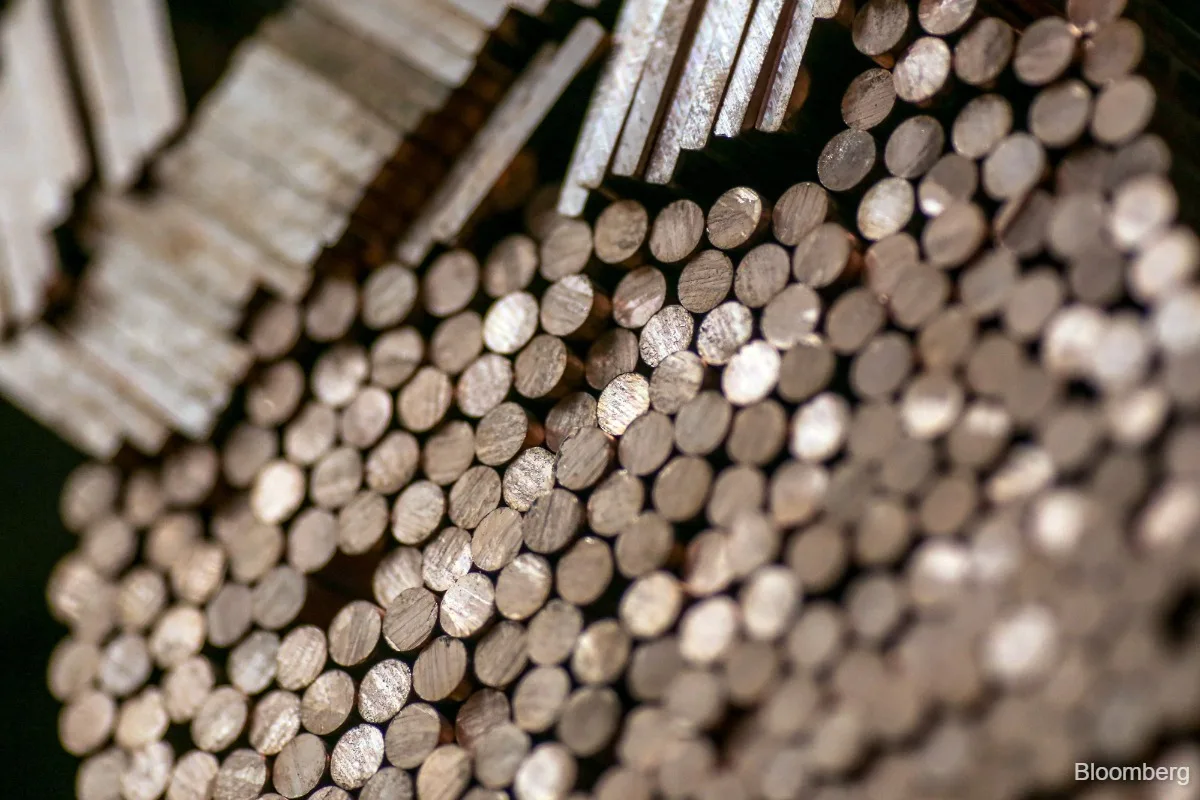
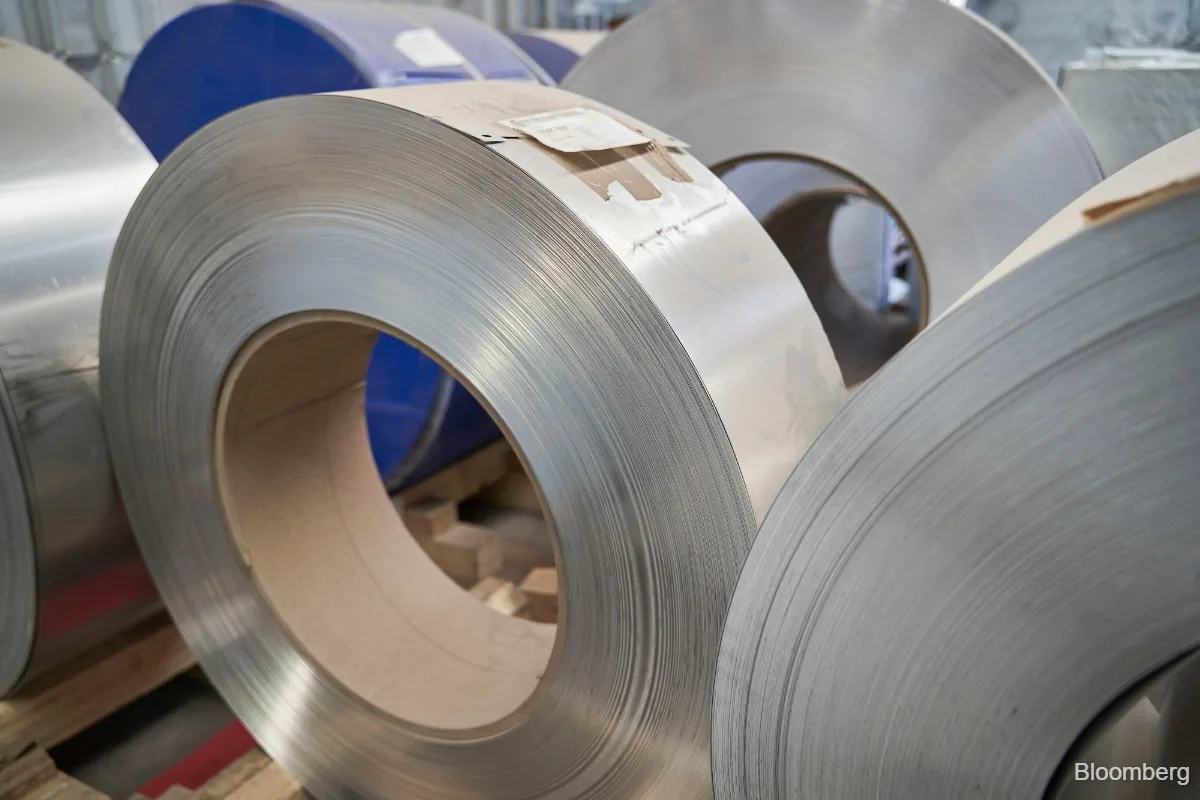
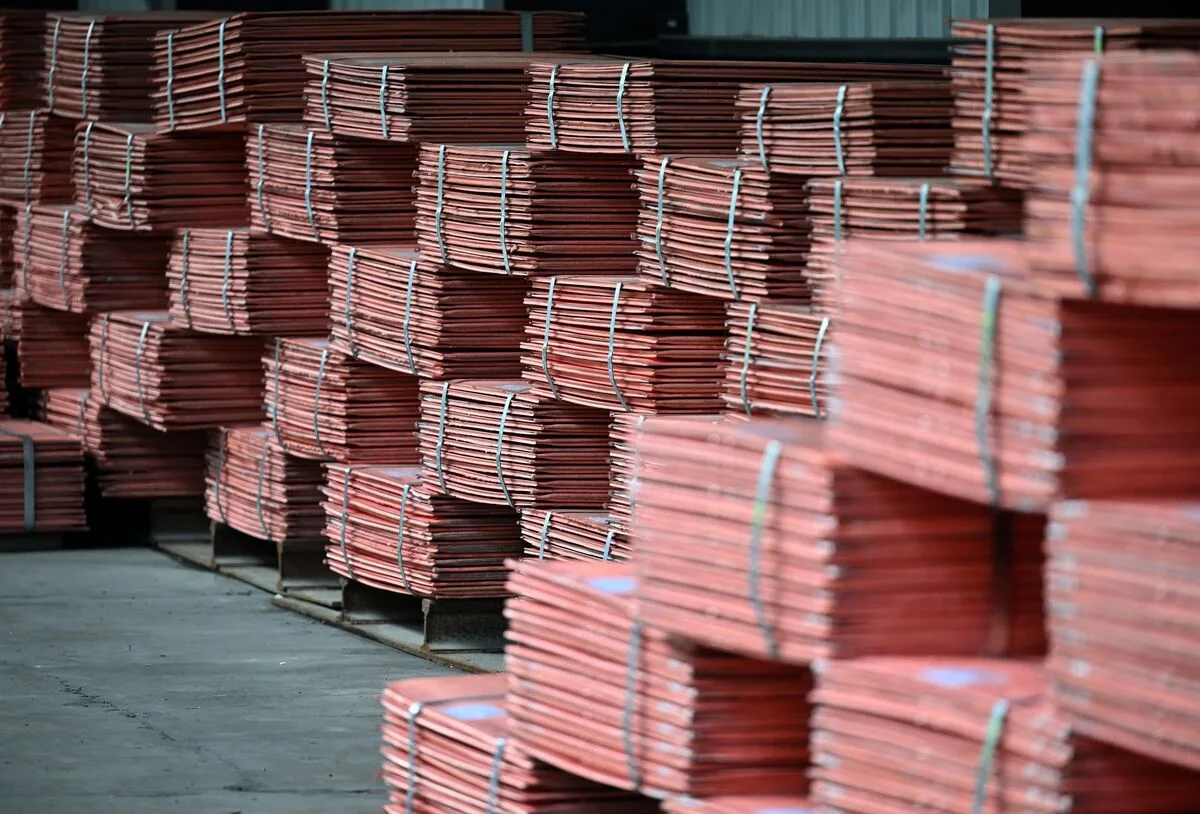
The fresh fighting drove gold prices down on June 10 to an 11-week low, along with copper and other base metals, amid growing concerns over rising inflation and expectations of Federal Reserve interest rate hikes [4, 9, 5, 6, 8]. Copper dropped to its lowest since mid-May at $13,378 per tonne, while aluminum and zinc also declined due to weaker demand outlooks and inflation worries [2, 9, 10].
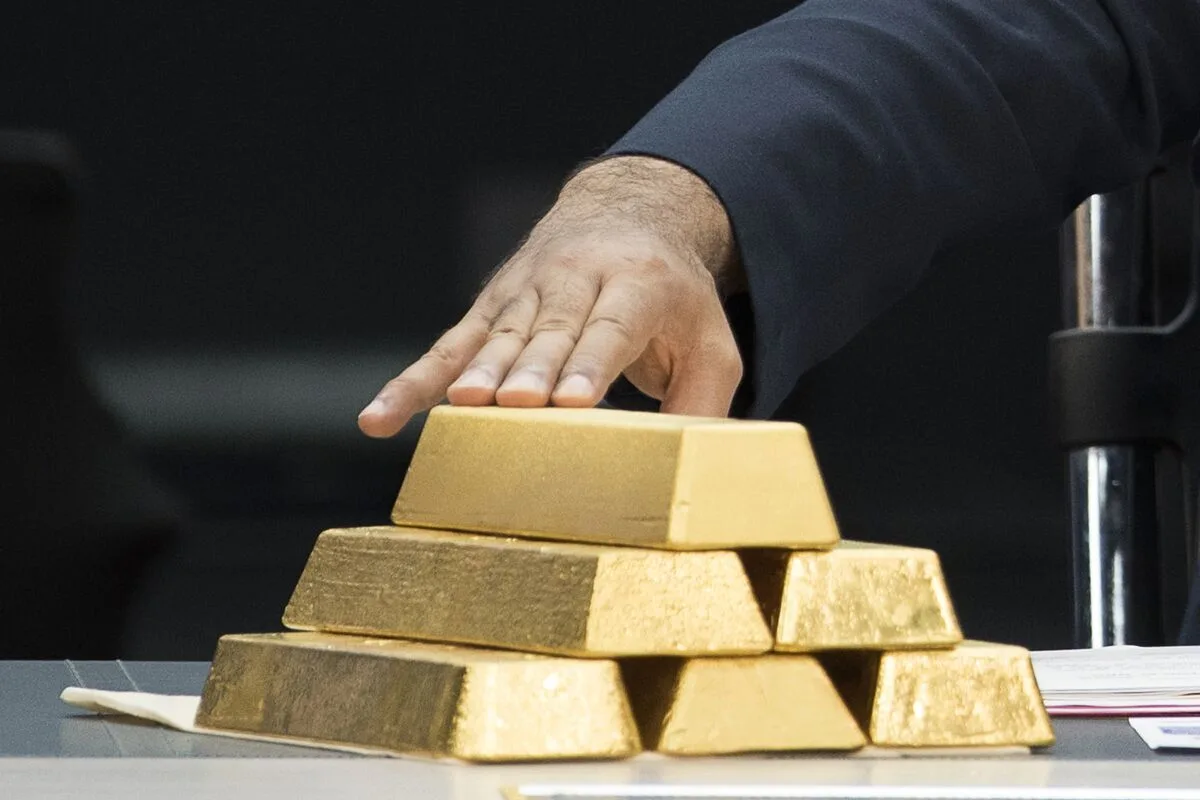
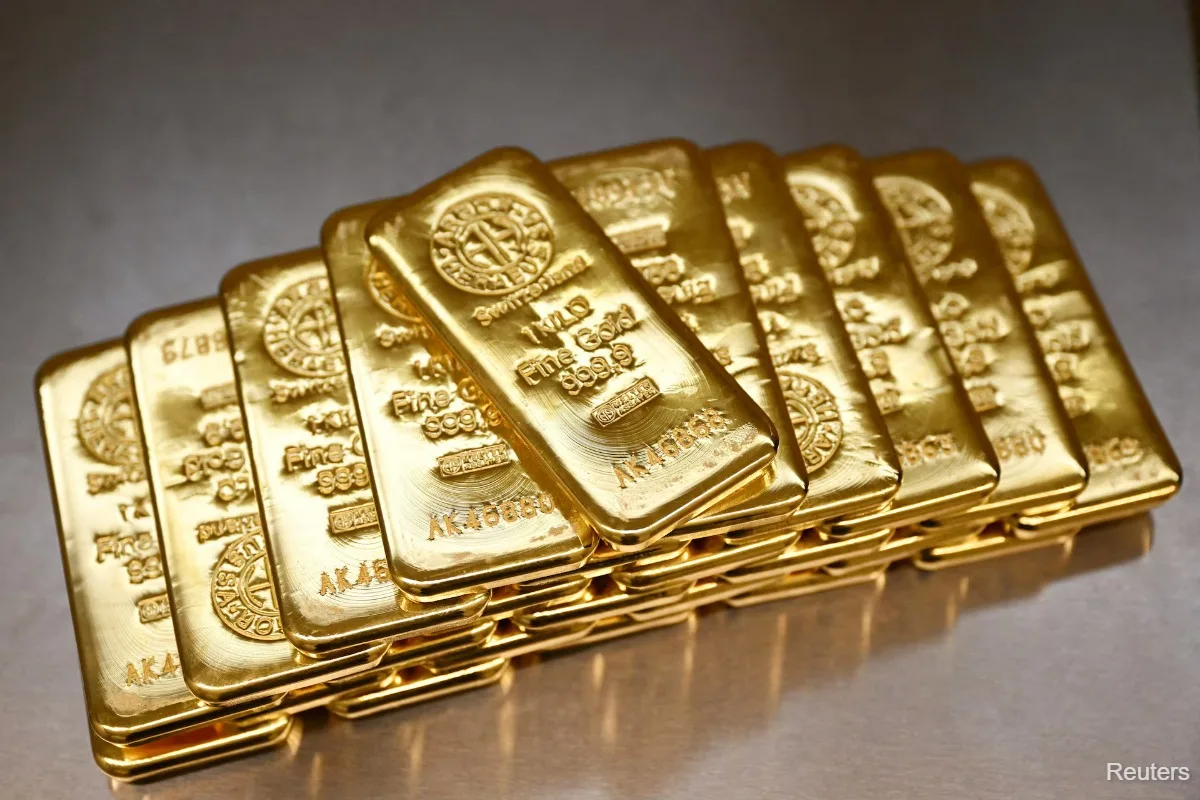
Gold plunged to a more than six-month low of about $4,036 per ounce amid the renewed strikes, rising oil prices, and bets on higher-for-longer interest rates [5, 6, 8, 11]. “The escalation in the Middle East is pushing oil higher and lifting inflation risks, which in turn is reinforcing expectations that central banks stay tighter for longer,” said Ewa Manthey, commodities strategist at ING [12].
The US consumer price index rose at its fastest pace in over three years in May, driven partly by surging oil prices linked to the conflict, adding to inflation pressures and increasing Fed rate hike odds from around 67% to 70% by December 2026 [4, 12, 5, 6, 11, 7]. The European Central Bank raised interest rates by 25 basis points on June 11 for the first time in nearly three years, citing inflation risks linked to the Middle East tensions [3, 12].
After Trump’s announcement on June 11 signaling a possible peace deal, gold prices briefly surged as much as 3.4%, reaching around $4,220 per ounce, and copper rebounded from recent lows [1, 2, 3, 7]. However, some analysts remain cautious as hostilities and US strikes continue, clouding the peace agreement’s prospects [4].
Gold has fallen roughly 21% since the conflict began in late February 2026 [3, 7]. Despite near-term volatility, Citigroup analysts expect gold to rebound once tensions ease around the Strait of Hormuz [11].
Long-term demand outlooks for base metals remain positive due to technology investment, including China’s plan to spend about 2 trillion yuan on building data centers over the next five years, which supports copper demand [9].
The ECB’s rate hike and US inflation data this week add to central bank pressure to keep rates higher for longer amid geopolitical risks and inflation concerns [3, 12, 11]. The Federal Reserve is widely expected to hold rates steady at its next meeting but may raise them by year-end if inflation persists [4, 12, 11].