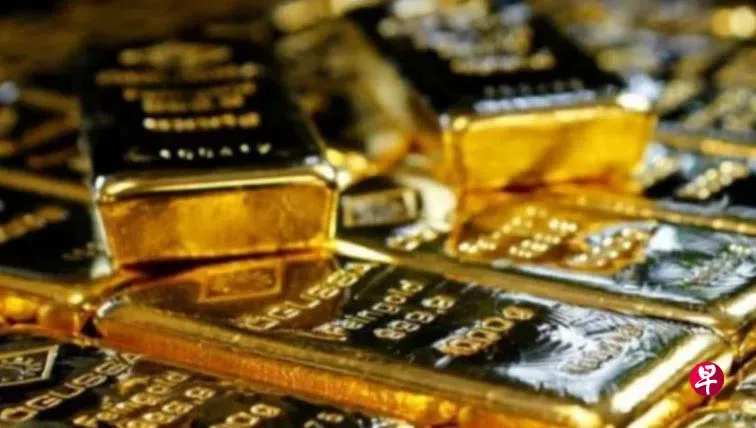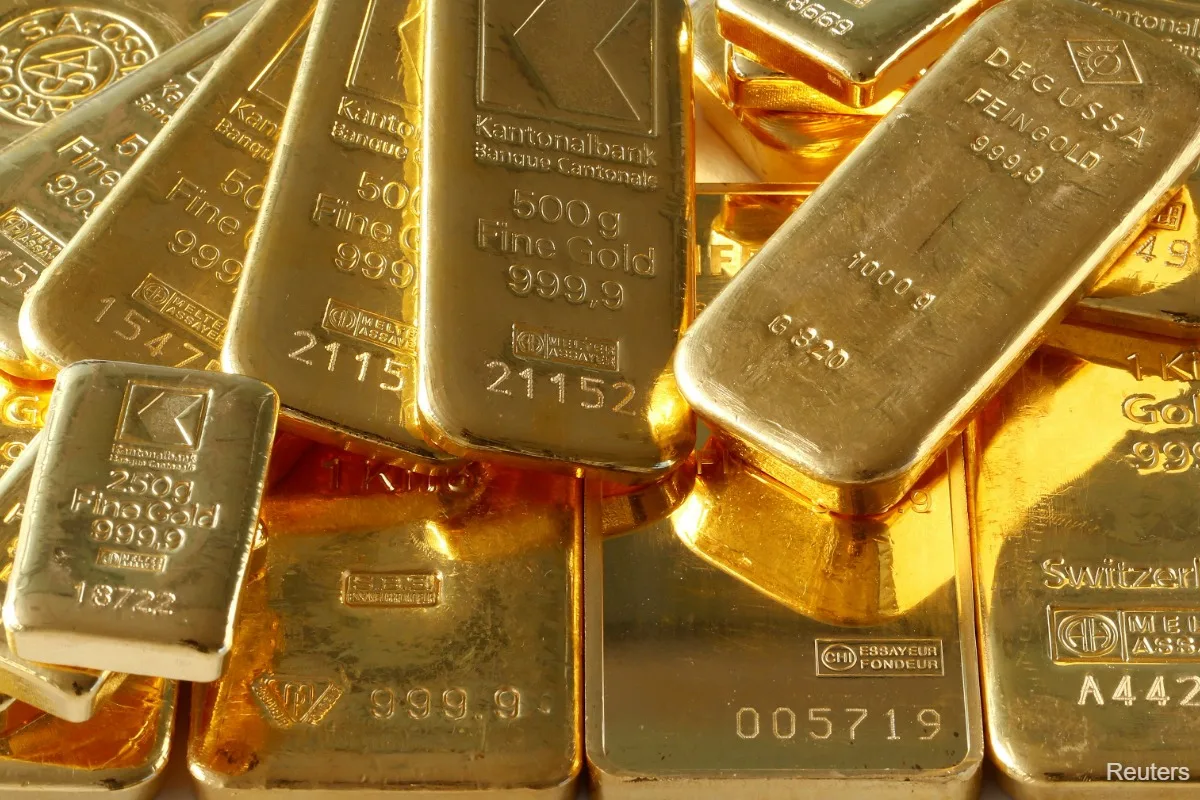
Gold prices dropped to their lowest level since August 7 on September 2, settling around US$4,304 per ounce as escalating tensions between the US and Iran pushed oil prices higher and raised inflation concerns. [1, 2] The decline followed a multi-day slide triggered by Federal Reserve Chair Kevin Warsh’s hawkish remarks at the Jackson Hole symposium on August 27–28, which signaled possible interest rate hikes to combat inflation. [3, 4, 5]
After Warsh said the Fed would “have work to do” if inflation did not clearly move toward the 2% target, US markets priced in a 57% to 70% chance of a Fed rate hike in September. [3, 6, 7, 5, 1, 2] Gold, a non-yielding asset, often loses appeal when interest rates rise despite its role as an inflation hedge. [3, 7, 1]
Following Warsh’s speech, gold prices fell over 3% from August 28 to 31, reaching a low near US$4,417 per ounce on August 31. [3, 4, 7] US gold futures traded between US$4,466.80 and US$4,504.90 on that date. [4, 7]
Renewed US air strikes on Iranian rocket launchers on Larak Island on August 30 further heightened tensions in the Middle East, causing oil prices to jump and fueling fears about inflation and tighter monetary policy. [3, 7, 1, 2] Bas Kooijman, CEO of DHF Capital, noted that rising oil prices could drive yields higher and limit gold’s rebound potential. [1]
Other precious metals including silver, platinum, and palladium also showed generally downward price trends alongside gold, with silver around US$63.60 per ounce on September 2. [3, 1, 2]
Analysts described gold as "still licking its wounds" after the Fed’s hawkish tone, with senior strategist Ryan McKay saying the weakness was a “follow-through from Warsh’s Jackson Hole speech and comments from Barr on inflation.” [3, 5] Meanwhile, IG market analyst Tony Sycamore said a single rate hike would not end gold’s long-term uptrend but multiple hikes could reshape the market. [6]
Investors are now focused on US labor market data releases this week, including ADP employment figures, weekly jobless claims, and the highly watched nonfarm payrolls report, as these could provide further direction for Fed policy and gold prices. [3, 4, 7, 1, 2]