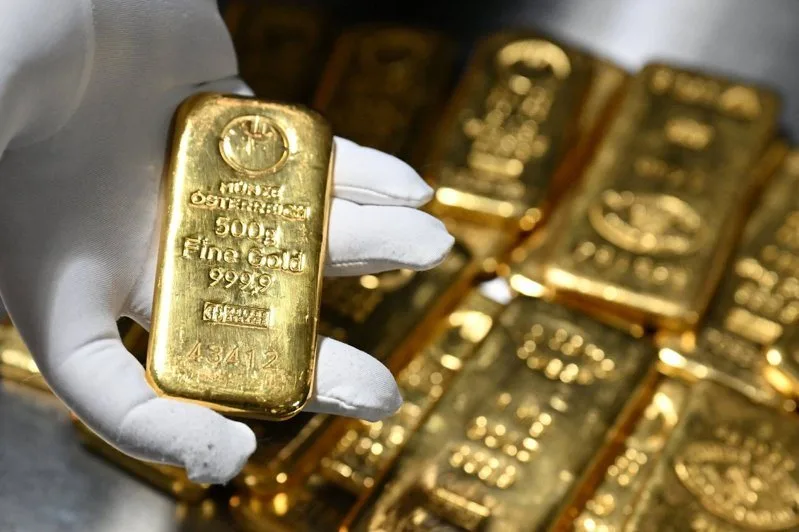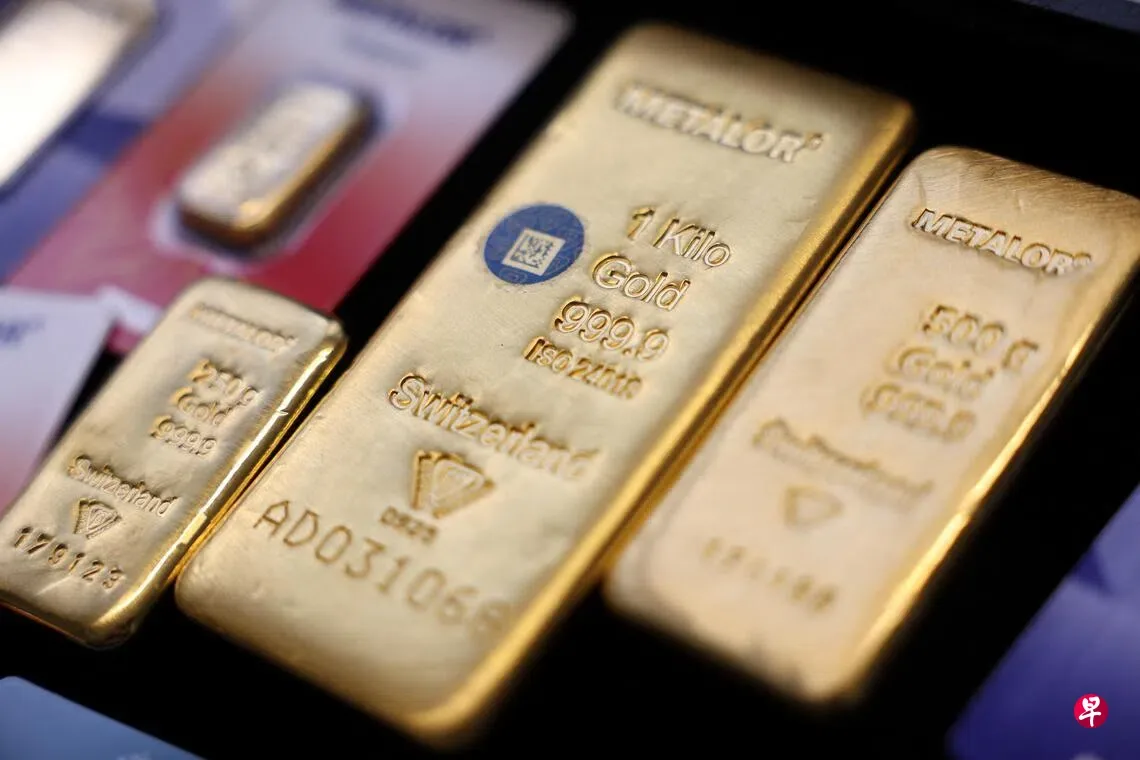
The international gold spot price fell more than 1% on June 30, 2026, breaking below the $4000 per ounce level, with intraday lows reaching near $3943, according to multiple sources [1, 2, 3, 4, 5, 6, 7]. The price fluctuated through the day, with some data showing a rebound close to $4000 but most confirming closing levels remained below this threshold [1, 3, 6, 7].
June marks gold's largest single-month percentage drop since October 2008, with declines estimated between 12.4% and 12.7% [1, 3, 4, 5, 6]. This steep drop continues a four-month slide that began in February 2026, resulting in an overall loss of around 25% from the highs earlier this year [1, 3, 8, 5, 6, 7]. The slide reflects a shift in investors’ focus away from geopolitical tensions in the Middle East toward inflation and the Federal Reserve's tightening monetary policies.
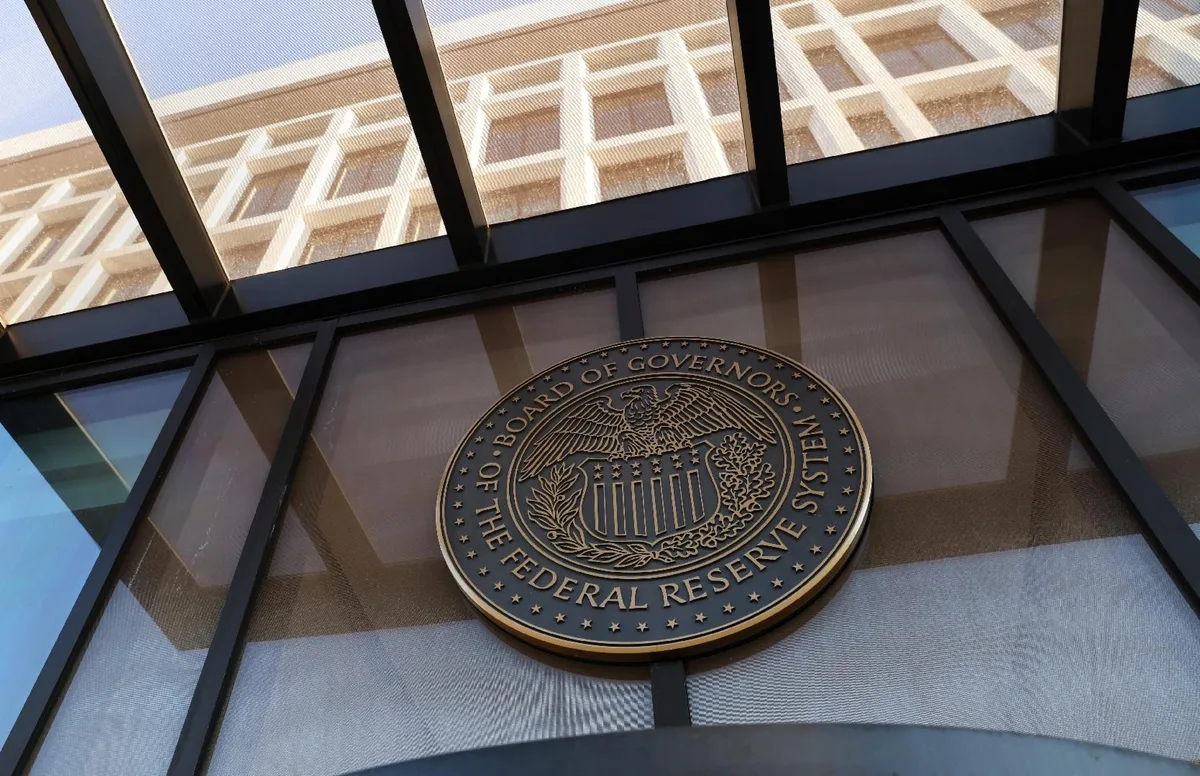
The US Federal Reserve is expected to raise interest rates three times over the course of 2026. The odds of a September rate hike range between 63% and 66% [1, 3, 8, 4, 5, 6, 7]. Higher real interest rates and a stronger US dollar weighed heavily on gold prices as returning yields on other assets made non-yielding gold less attractive [1, 3, 8, 4, 6, 7]. Edward Meir, a Marex analyst, said, "High inflation, rate hike expectations and a strong dollar outweigh traditional gold bullish factors" [1, 4].
The conflict between the US and Iran, which began in late February 2026, initially boosted gold as a safe haven. But as geopolitical risks have faded, investors have focused more on inflation and Fed policy tightening [1, 3, 8, 5, 6, 7]. Other precious metals also declined in June, with silver down between 1.6% and 2.4% [1, 3, 8, 5].
Technical indicators show gold breaking key supports such as the 200-day moving average, signaling bearish momentum [6, 7]. Oil Bank's Ole Hansen noted that prices need to hold below $4100 to confirm a short-term bottom [7]. Goldman Sachs strategist Samantha Dart suggested core support for gold remains from emerging market central banks diversifying reserves and long-term concerns about western fiscal sustainability [6].
Gold ETFs holdings dropped to their lowest level since September 2025, reflecting reduced investor exposure [9]. Volatility and sharp price corrections in the second quarter underscore market uncertainty about Fed policy and inflation outlook [9, 4, 6, 7].
The US Supreme Court reinforced Federal Reserve independence by upholding the tenure of Fed Board member Lisa Cook on June 29, removing legal uncertainty amid debates over rate cuts [3, 8, 5].
Gold prices are predicted by Edward Meir to trade between $3500 and $4400 an ounce in the second half of 2026, reflecting continued volatility [4]. The next major Fed policy decision is expected in September, when a rate hike has a roughly 65% probability.