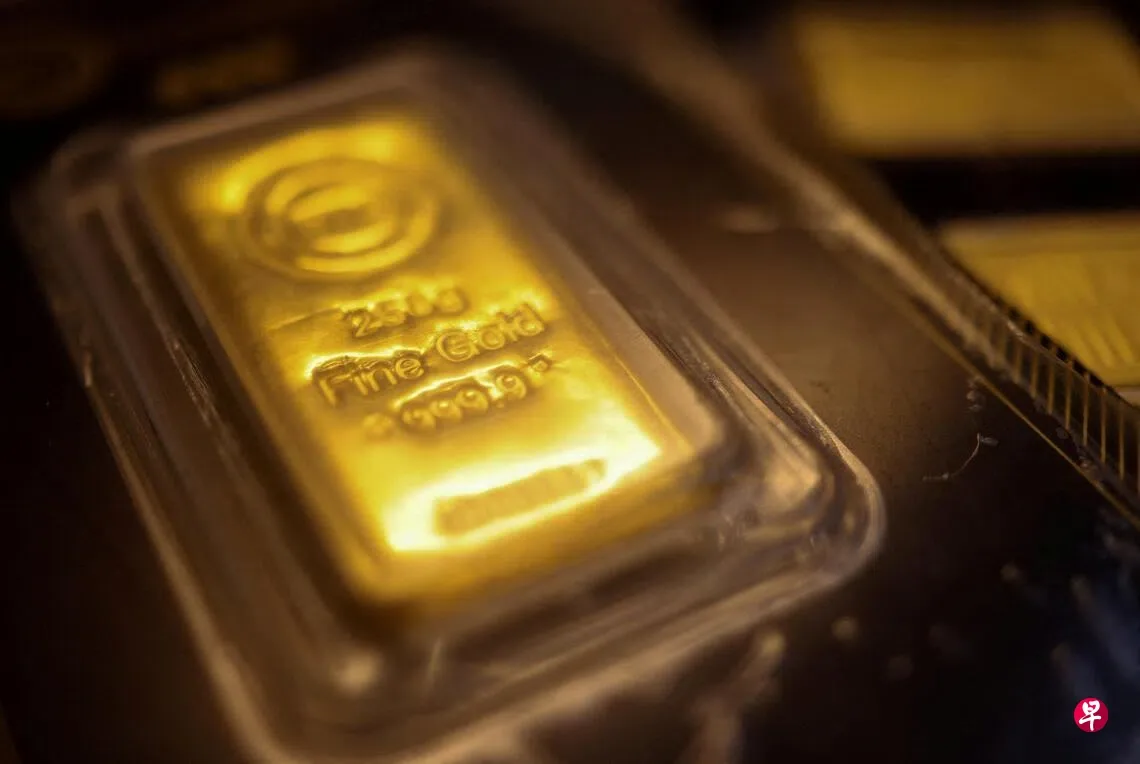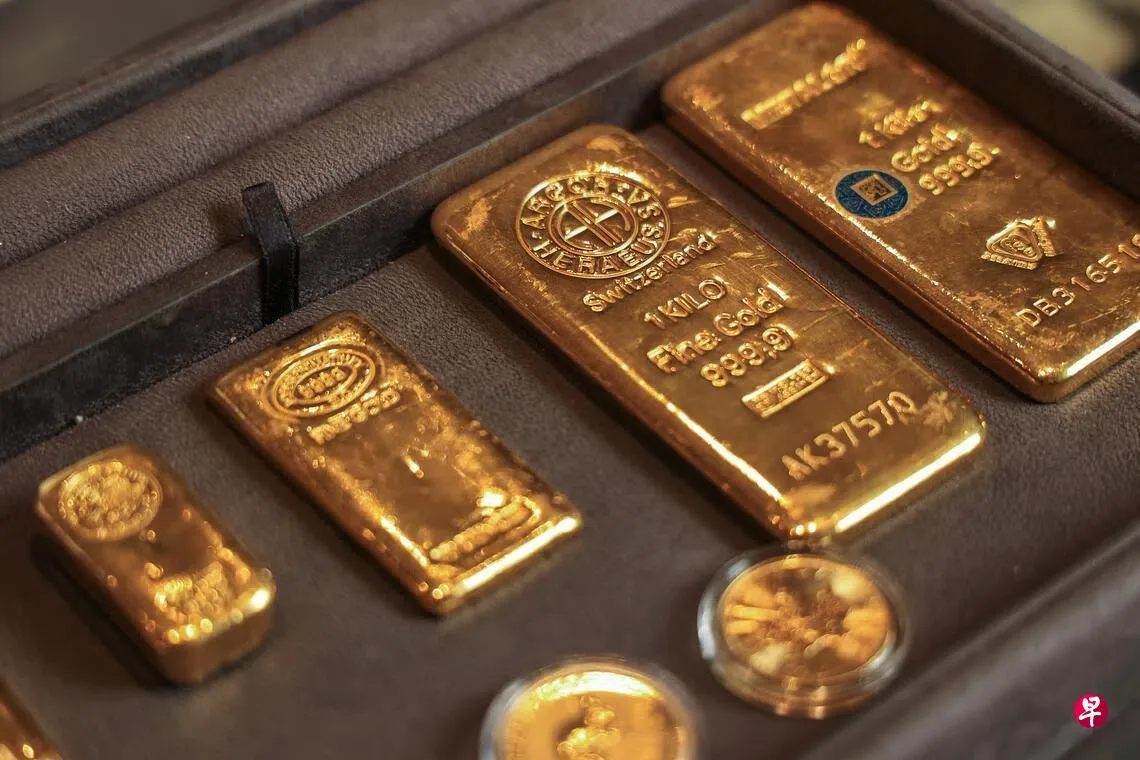
Gold prices plunged more than 4.6% in the week ending June 5, 2026, falling from around $4539.42 per ounce to $4328.45 per ounce, wiping out much of the gains made earlier this year [1]. The drop extended into early June, with spot gold slipping below the $4300 level multiple times and trading near $4330 on June 8, close to zero net gains year-to-date from a $4350 start [2, 3, 4, 5].
The gold market has been weighed down primarily by rising expectations that the US Federal Reserve will continue to hike interest rates following strong US employment data in May 2026. The addition of 172,000 jobs that month and signs of a balanced labor market with near full employment have increased bets on tighter monetary policy, making yield-bearing assets more attractive than gold, which yields no interest [1, 2, 3]. Beth Hammack, President of the Cleveland Fed, noted that persistent inflation may force "the Federal Reserve to hike rates promptly to curb prices" despite the labor market's stability [2]. A Goldman Sachs economist said strong jobs data meant the Fed is no longer expected to cut rates this year [3].
At the same time, escalating geopolitical tensions in the Middle East have lifted oil prices and stoked inflation fears. Renewed conflict between Iran and Israel, alongside the partial blockade of the Strait of Hormuz, has raised concerns over global energy supply. HuaTai Securities warned these issues could worsen cash flow strains across Gulf states and energy-importing developing countries, creating short-term supply-demand pressures unfavourable to gold [3]. Yet, despite rising geopolitical risks, gold failed to act as a safe haven, losing appeal amid the stronger dollar and higher yields [1, 6, 3].
Gold first peaked at a record high of $5589 per ounce on January 28, 2026, before falling roughly 23% through May and June [5]. Meanwhile, global central banks including China boosted gold reserves, with China holding 74.96 million ounces as of May 2026, showing continued demand for bullion despite price declines [2, 6]. On the demand side, Indian physical gold purchases weakened amid volatile prices, and gold premiums dropped slightly in China. Some Chinese banks ramped up marketing of gold savings products to attract investors amid reduced enthusiasm [2, 7].
Silver prices also fell sharply, dropping below $70 per ounce by early June, tracking gold's decline [3, 4].
John Weyer of Walsh Trading said that "it is currently hard to find any reasonable basis for rate cut expectations, which is negative for gold prices" [1]. US President Trump publicly urged Israel not to retaliate against Iranian missile strikes on June 7 amid rising Middle East tensions, underscoring geopolitical risks persisting alongside financial pressures [2].
The next key data point will be upcoming US inflation and employment reports that could further shape Federal Reserve policy expectations and influence gold prices in the weeks ahead.