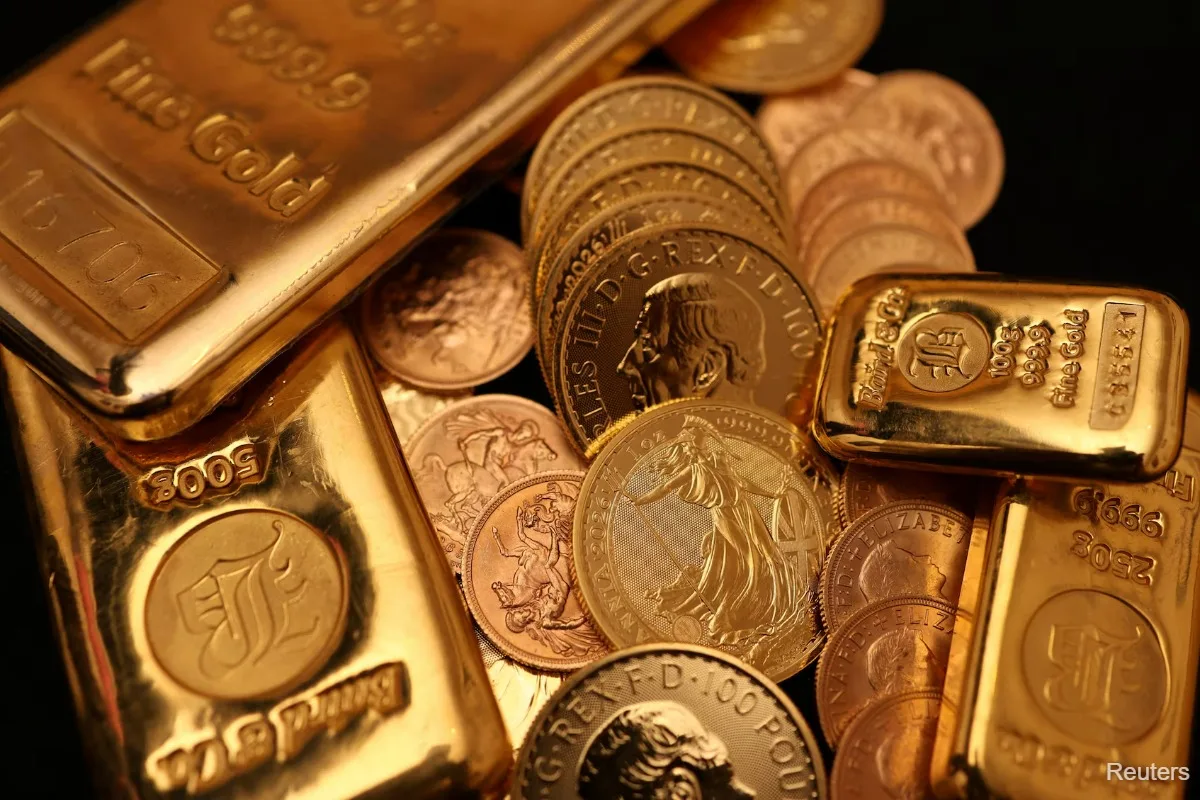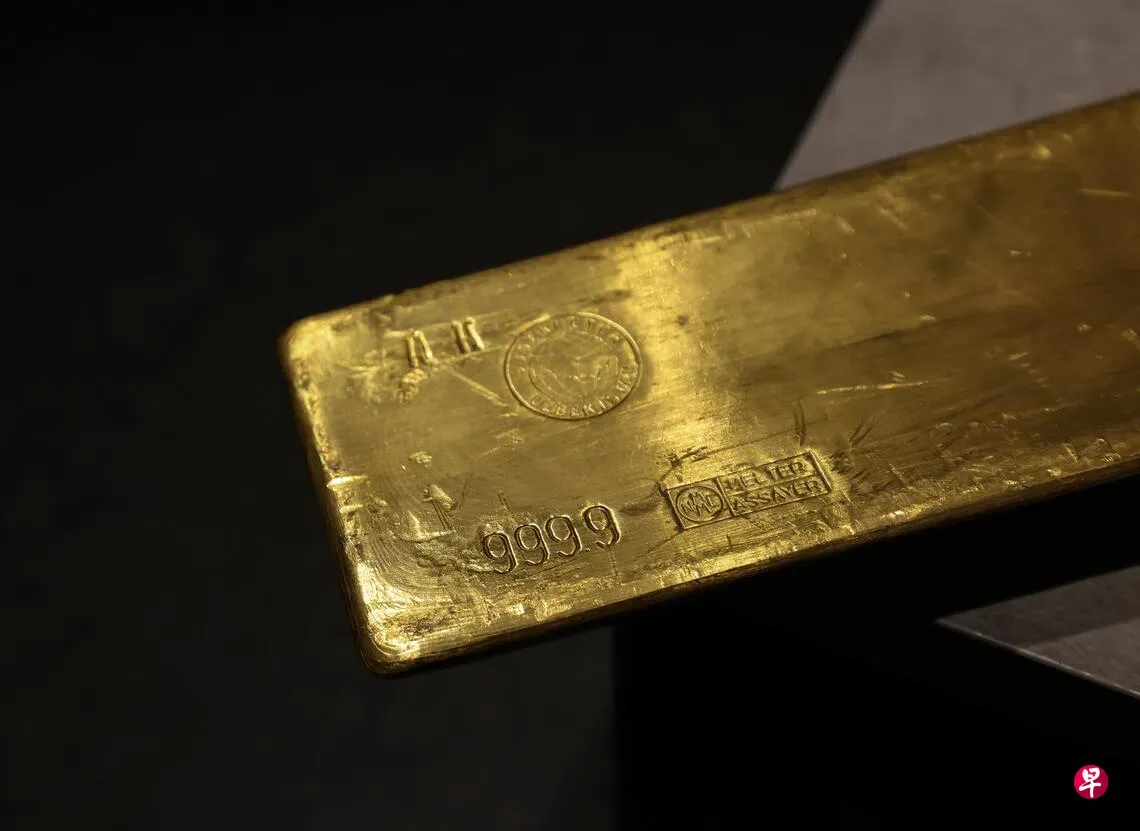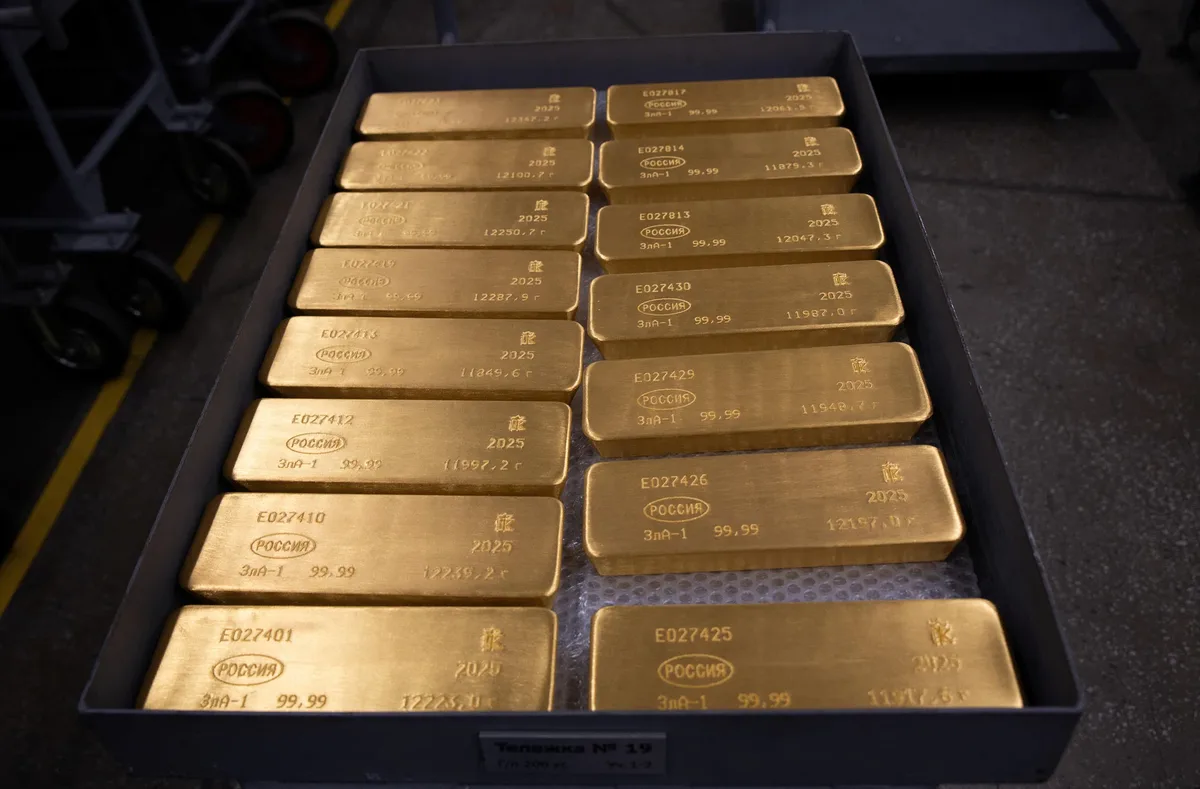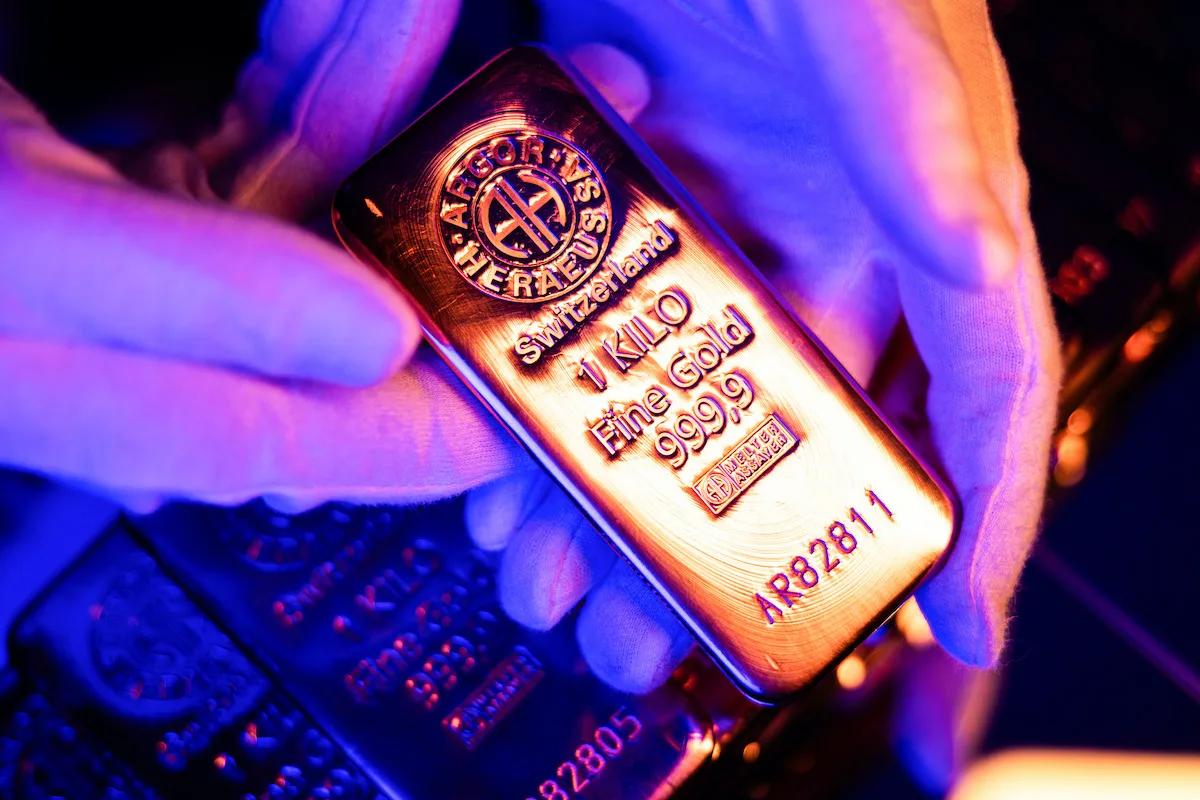
Gold prices climbed on August 3 after oil prices fell following US President Donald Trump's decision to delay fresh strikes on Iran, raising hopes for a swift diplomatic deal between the two countries [1, 2, 3, 4]. Spot gold traded between approximately $4,050 and $4,067 per ounce, with US gold futures up about 0.9% [1, 2, 3, 5, 6, 4]. Meanwhile, oil prices fell more than 5%, pressured by Trump’s signal that he was open to talks to end the conflict and reopen the crucial Strait of Hormuz shipping route [1, 2, 3, 5, 7].
The US and Iran offered mixed messages on the diplomatic front. The US announced that talks would start on August 3 aimed at reopening maritime routes, while Iran denied direct negotiations with the US though acknowledged discussions with Oman to increase shipping flows [8, 6, 9, 7]. Iran's Foreign Ministry clarified no meetings with the US were scheduled, maintaining a cautious stance [9, 7].
Traders observed gold’s movements with some volatility on August 3, reflecting uncertainty from the delayed strikes and a softer tone from Federal Reserve officials on interest rates [5]. Despite gold’s recent gains, the precious metal remains under pressure due to inflation worries linked to the US-Iran conflict and expectations of higher US interest rates, which reduce gold's appeal as it yields no interest [1, 2, 3, 5, 6, 4]. Several Fed officials dissented in late July, favoring a quarter-point rate hike amid inflation concerns [1, 2, 3]. Market participants now await key US jobs reports this week, including ADP employment numbers and nonfarm payrolls, which could influence the Fed's rate decisions [1, 2, 3].
Other precious metals showed moderate gains on August 3. Silver rose about 0.9% to roughly $58.1 per ounce, while palladium increased between 1.5% and 1.7%, trading near $1,293 to $1,295 per ounce [1, 2, 3, 5, 4].
Shipping traffic through the Bab el-Mandeb and Strait of Hormuz remained steady or slightly declined amid the uncertain diplomatic situation [9]. Some Saudi-flagged supertankers rerouted from the Gulf of Aden toward southern Africa over risks of attacks by Yemen’s Houthi forces [9].
Analysts at Citi Research expect gold prices could stagnate or decline in the short term but forecast a rally to near $4,500 per ounce by the fourth quarter if the US-Iran conflict ends and Hormuz shipping normalizes, aided by lower real interest rates and a weaker US dollar [8, 6]. Citi analyst Kenny Hu said this outcome could occur between September and December but depends on the conflict’s resolution [6].
President Trump described his offer for talks with Iran as Tehran’s "last chance" to reach an agreement for the full reopening of the Strait of Hormuz [8, 6, 7, 2]. The Bloomberg Dollar Spot Index remained mostly flat around August 3-4, even as coordinated US-Japan interventions weakened the dollar against the yen to support the latter’s currency [1, 3, 7].
Gold prices remained steady around $4,050 per ounce on August 4 as traders continued monitoring the Middle East diplomatic developments and their potential impact on US monetary policy [8, 6]. Markets now watch the US jobs data this week closely, as stronger-than-expected employment figures could prompt further Federal Reserve rate hikes.