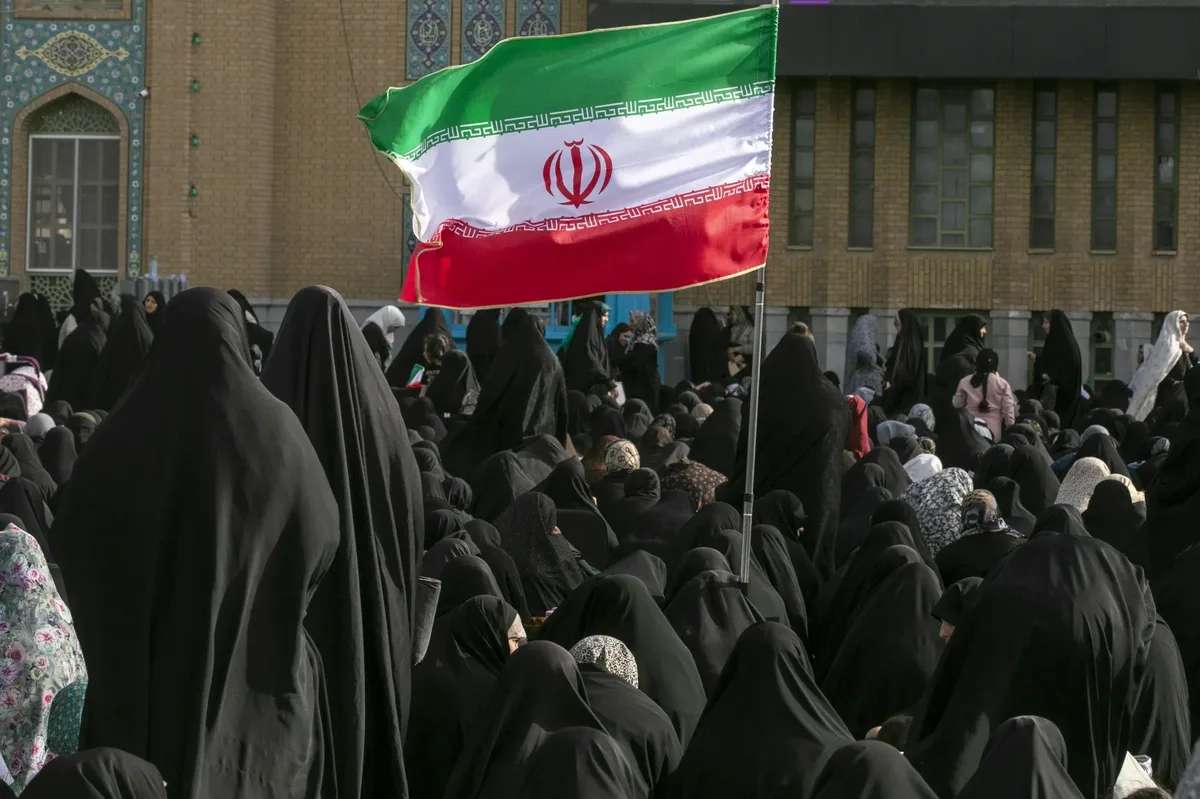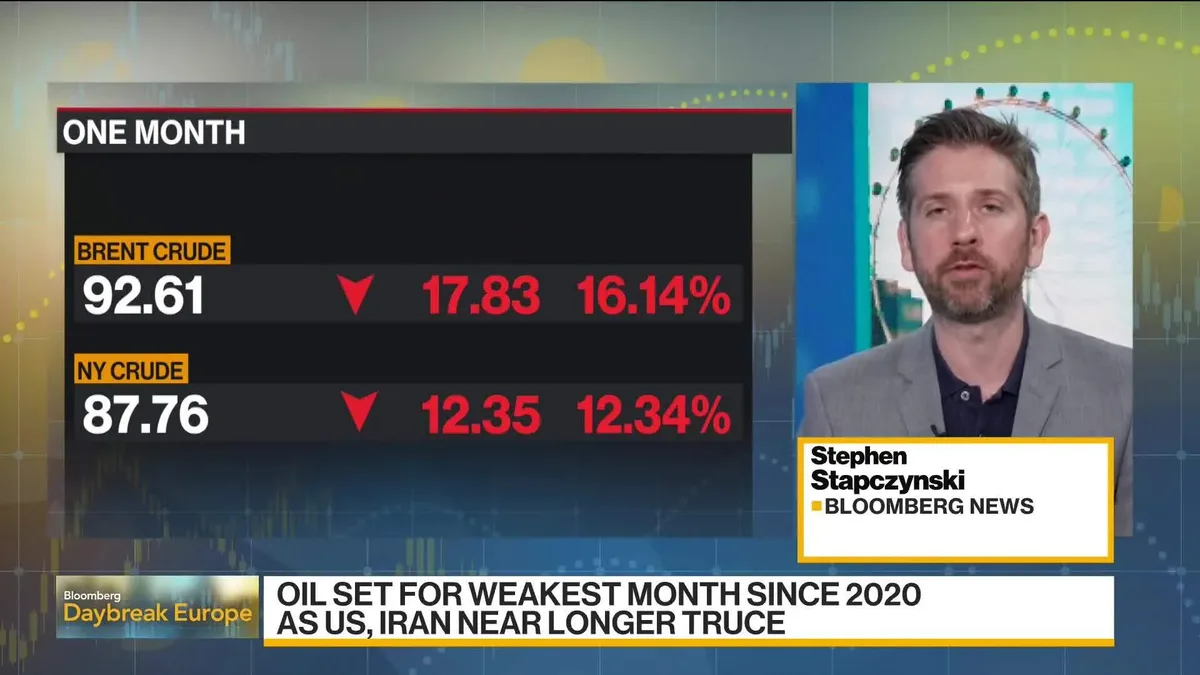
The US and Iran have reportedly reached a tentative agreement to extend their ceasefire by 60 days and negotiate a resolution to a three-month war that has pushed inflation higher through rising oil prices [1, 2, 3, 4, 5, 6, 7]. The deal also includes efforts to address Iran's nuclear program, though key issues like nuclear demands and frozen asset releases remain unresolved [2, 7].
US President Donald Trump must approve the accord for it to become final. He has indicated he will not rush the decision, stating, "I won’t rush into an agreement" [1, 2, 8, 5, 6, 7]. Meanwhile, Iran’s Foreign Ministry Spokesman Esmail Baghaei said a consensus was reached on many points but cautioned that "no one can claim that the signing of an agreement is imminent" [7].
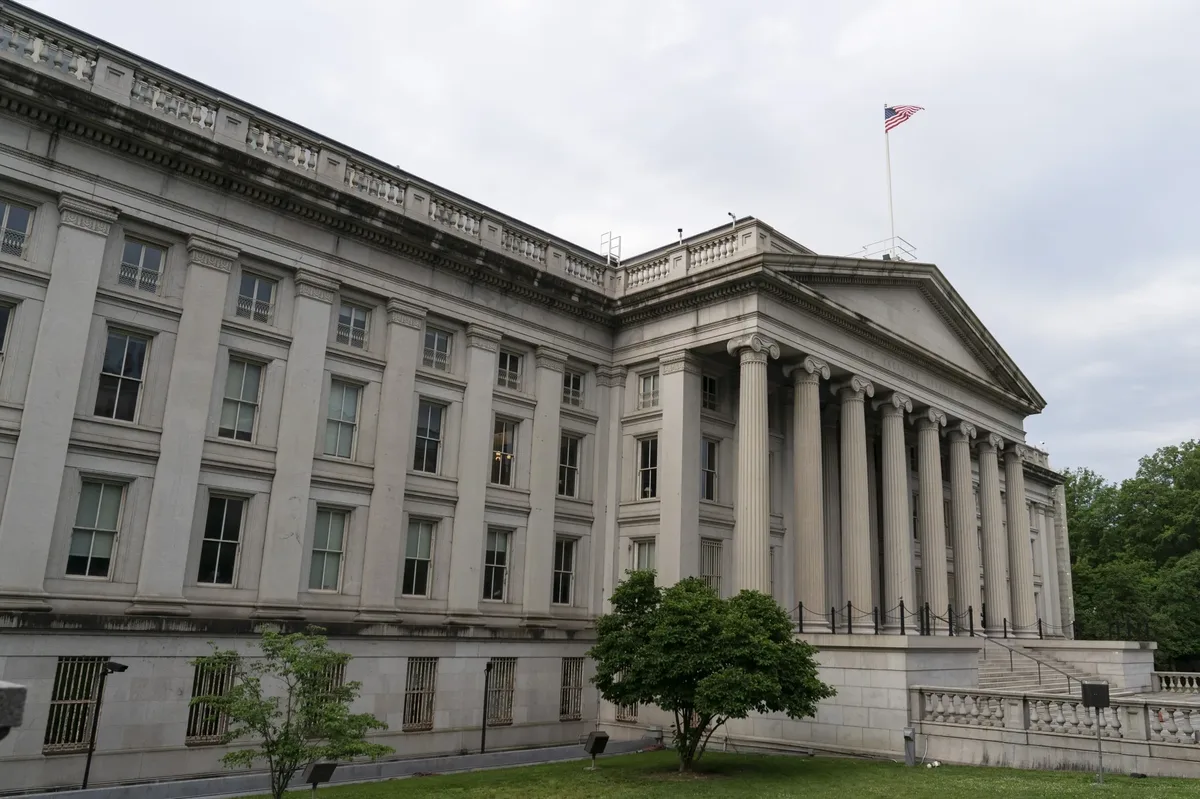
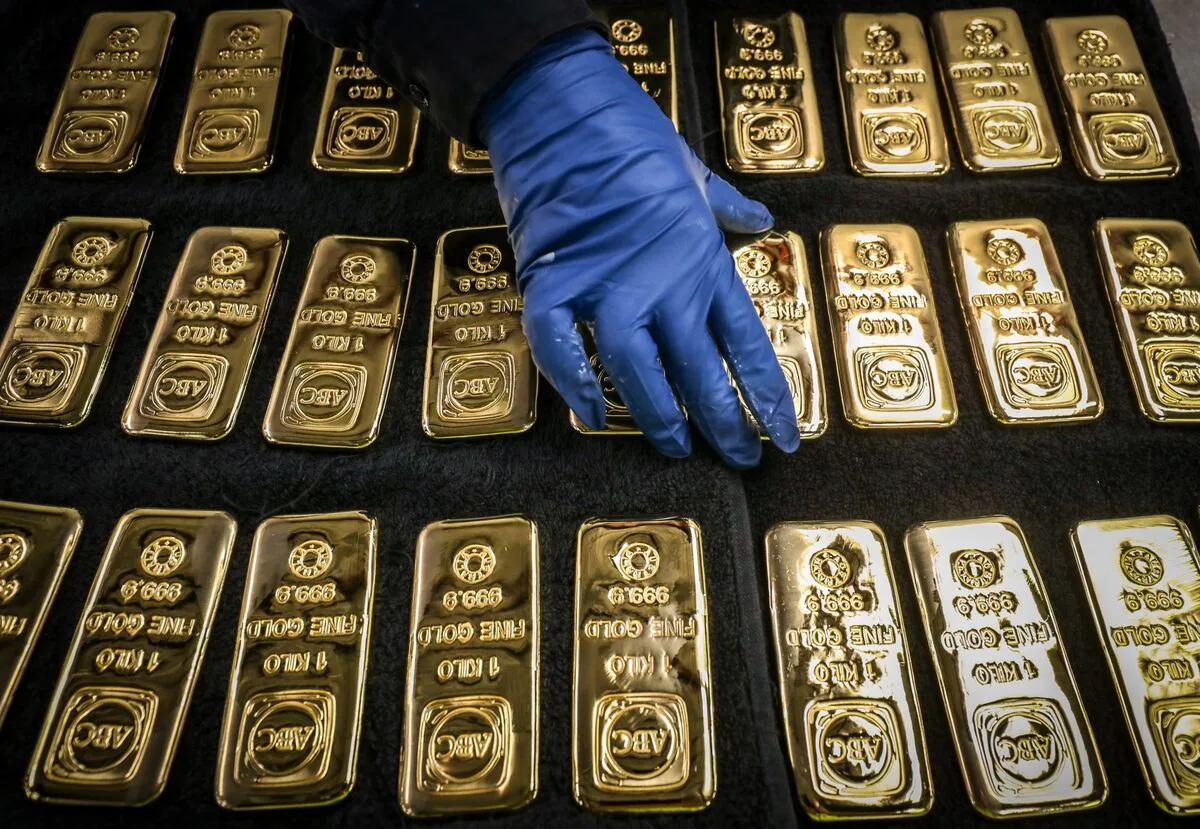
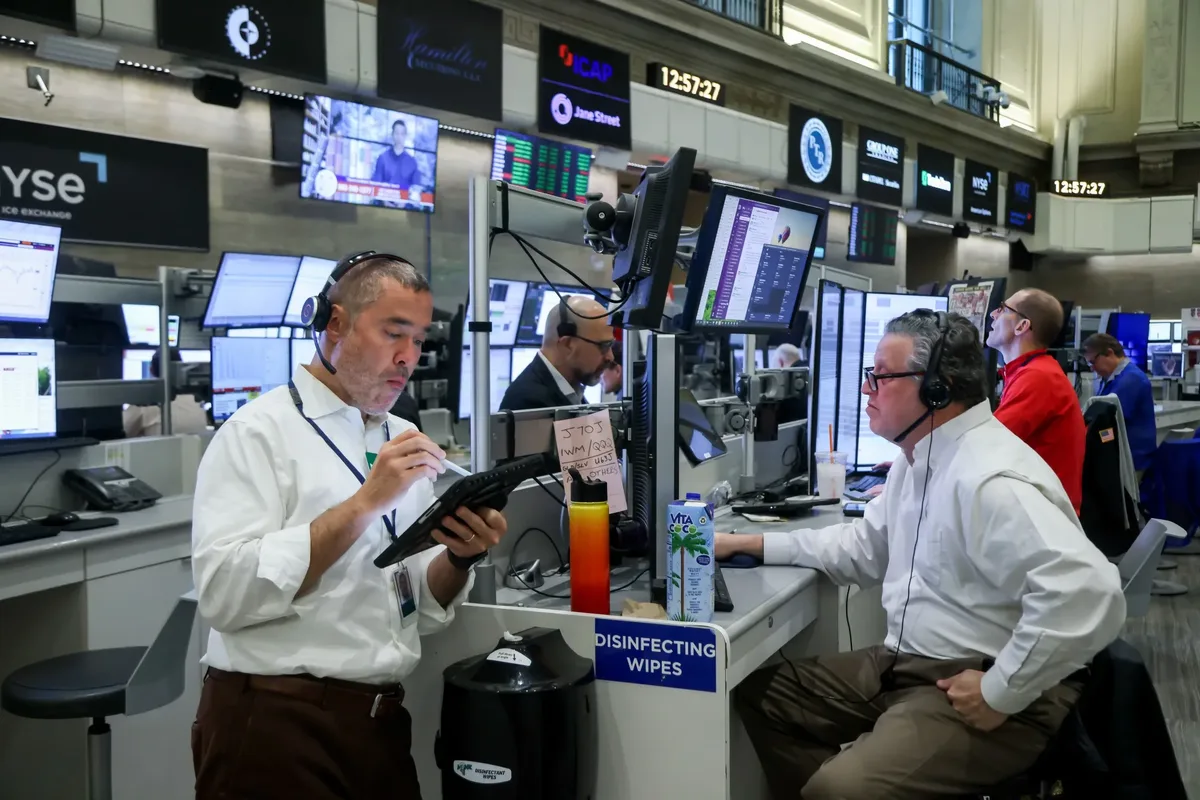
The potential deal has already influenced markets. Optimism about reopening the Strait of Hormuz, a critical oil shipping route, triggered declines in oil prices, US Treasury yields, and the US dollar, while boosting gold, equities, and bonds [1, 2, 8, 3, 4, 9, 5, 6, 10, 7]. Gold prices rose about 1.2% to 1.6% between May 25 and 26 amid the optimism but remain down roughly 13-14% since the conflict began in late February [5, 6, 11]. Asian emerging market equities increased 1.5%, and regional currencies strengthened on hopes the conflict resolution will ease inflation and stabilize energy prices [10, 7]. The Stoxx Europe 600 Index posted a 2.4% gain in May [9].
Industry analysts noted the importance of the Strait of Hormuz reopening. Citadel Securities strategist Frank Flight said two signs "suggest a significant probability" that a deal is progressing to restore oil shipments through the vital passage [12]. Bart Melek of TD Securities said there is "a presumption that the Strait of Hormuz is going to be opened in the not too distant future" and that markets are betting supply-demand will normalize [7].
However, tensions flared after US forces launched defensive strikes on Iranian missile launch sites and boats placing mines in the Strait of Hormuz on May 26, raising doubts about the talks’ durability and sparking fears of supply disruptions [11]. US Central Command spokesman Captain Tim Hawkins said the strikes aimed to "protect our troops from threats posed by Iranian forces" [11]. Following these strikes, gold prices slipped due to renewed inflation and conflict concerns, while Brent crude oil prices rose more than 2% on supply disruption fears [11].
Negotiations on the ceasefire extension language continued as of May 24, with final approval expected in the coming days [5, 6]. Oil prices continued declining on May 29 amid optimism over the Strait of Hormuz reopening, with Treasury yields dropping significantly [3, 4]. The next step in the process is awaiting President Trump’s decision to finalize the ceasefire extension and further conflict talks.