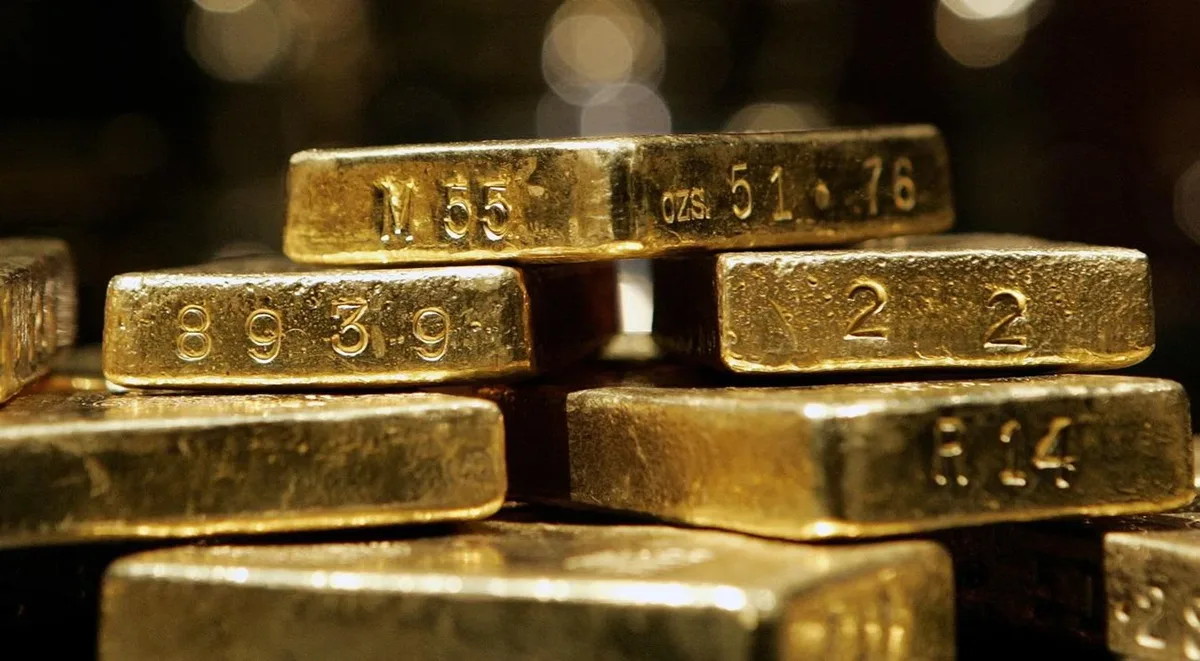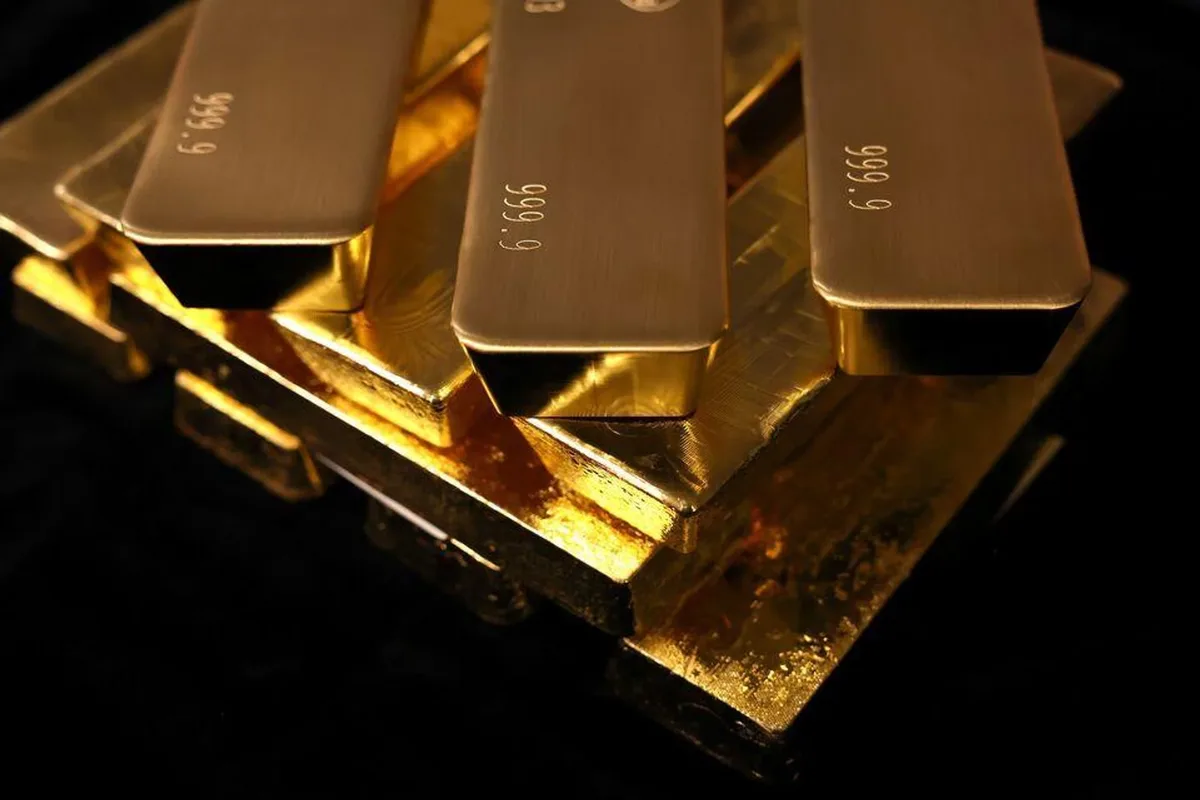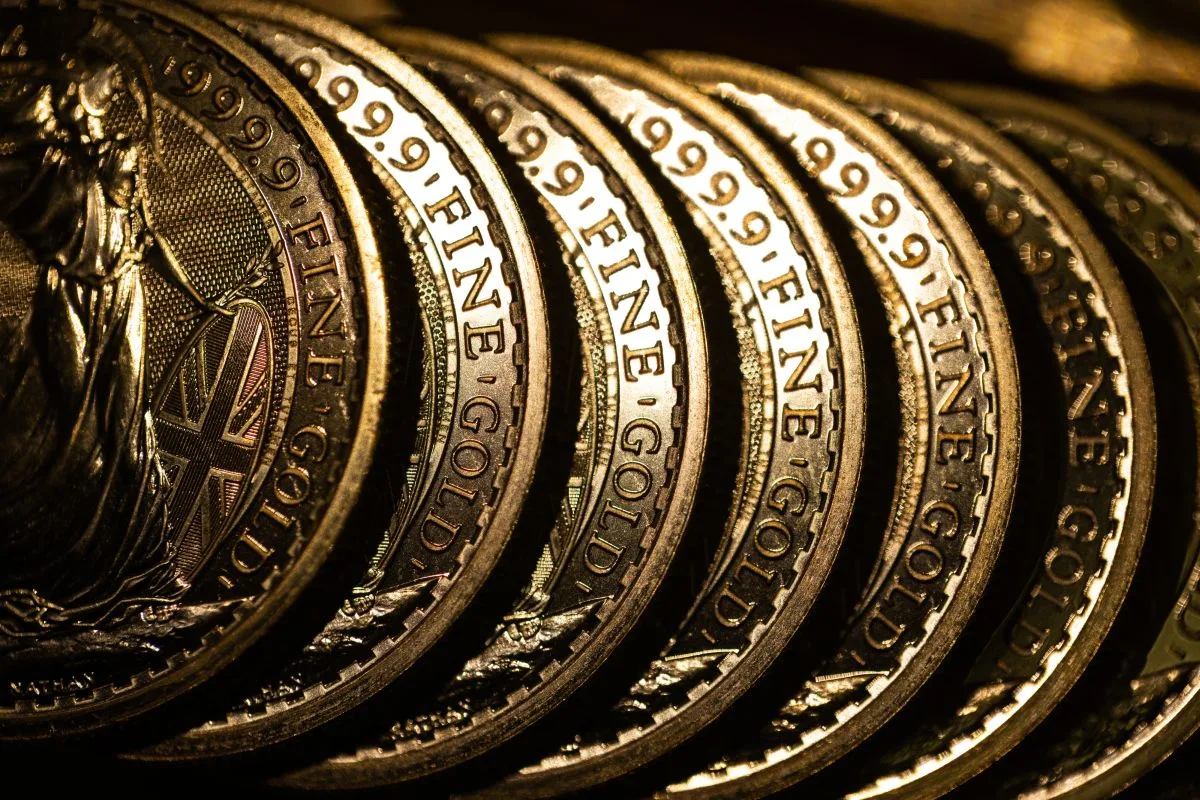
Gold prices climbed more than 1% on June 18 to $4,311.83 per ounce after the US and Iran signed an interim peace deal that extended their ceasefire by 60 days, easing oil prices and inflation concerns [1, 2]. The peace deal was electronically signed on June 17 and allowed markets to respond positively, pushing spot gold prices in the range of $4,295 to $4,348 per ounce around that time [1, 3, 2].
The interim agreement builds on a ceasefire announced in April and opens the door for negotiations toward a permanent truce between the US and Iran [1, 3, 2]. Oil prices fell following the peace announcement, which helped underpin precious metals, including silver, platinum, and palladium, all of which also rose [1, 3, 2]. Kelvin Wong, senior market analyst at OANDA, said, "It's a bit of short position unwinding (in gold) given yesterday's steep fall and the reason for the short unwinding is also due to the positive news coming out from the Middle East, which has caused oil prices to fall" [1].
At the same time, the Federal Reserve held interest rates steady in mid-June, keeping its policy rate range at 3.5% to 3.75% while signaling possible rate hikes later in 2026 [1, 3, 2, 4]. Nine of the Fed’s 19 policymakers forecast a rate hike this year, increasing market expectations for further tightening [1, 4]. However, disagreement remains over the timing: some see an 85% chance of a rate hike in December, while others estimate a 49.5% chance in September [1, 4]. Ryan Mckay, senior commodity strategist at TD Securities, noted, "The overall tilt remains bearish for the yellow metal... suggesting a notable shift in the Fed outlook would likely be needed to shift the underlying market sentiment in precious metals" [2].
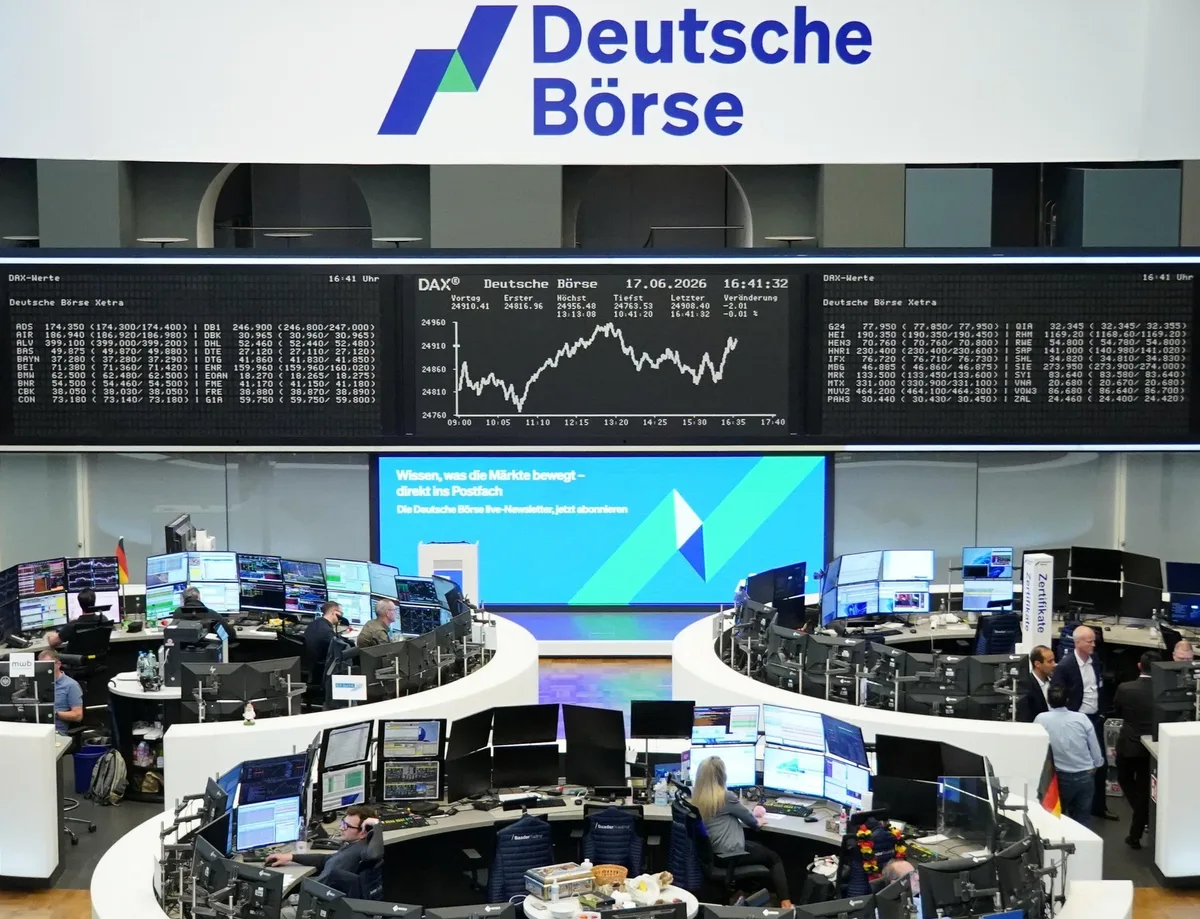
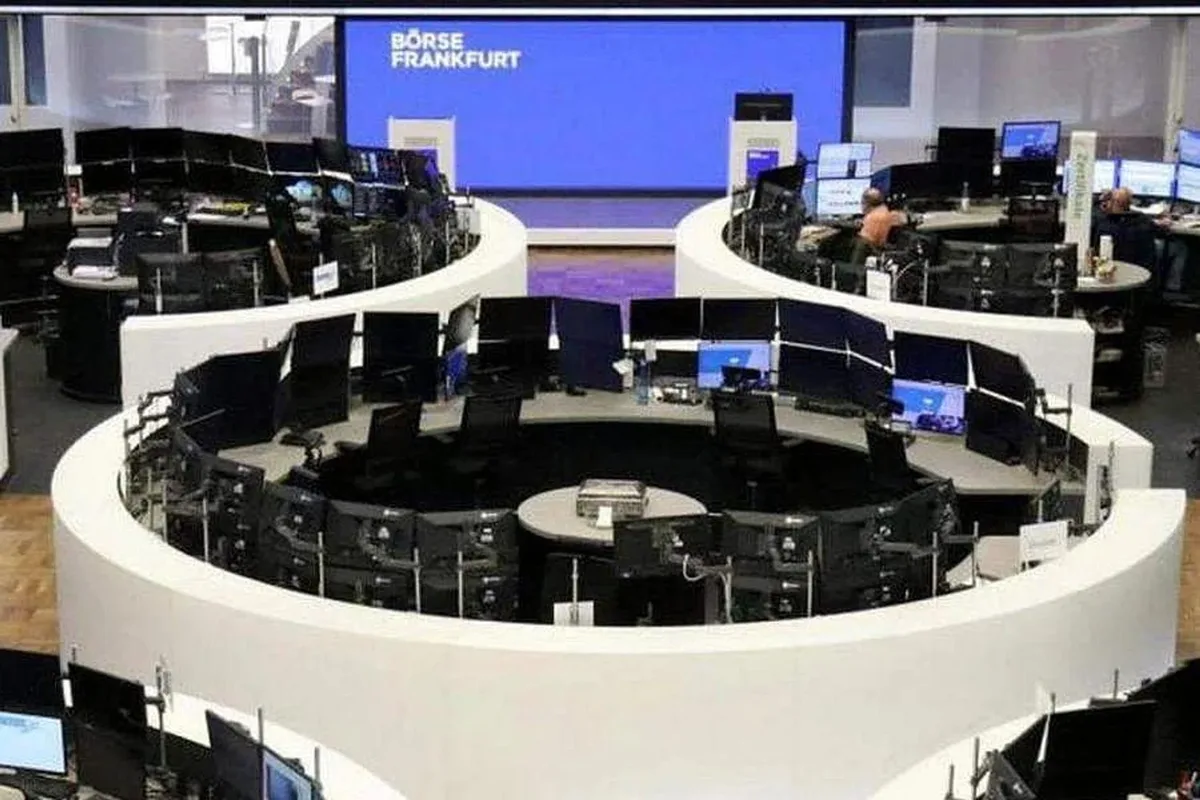
European shares showed mixed reactions on June 17 and 18 amid cautious trading ahead of Fed reports and details of the Iran deal [5, 4]. Auto stocks fell sharply, with the pan-European Stoxx 600 declining 3.3% and BMW dropping 8.3%, as BMW cut its annual profit forecast citing weakness in the China market and the impact of the US-Iran conflict [5]. Equity strategist Beata Manthey said, "For the (auto) sector we continue to be underweight. The earnings story continues to be very challenged for the auto sector. The reason is broader and structural" [5].
Investors are adapting to the communication style of new Fed Chair Warsh, who intends to monitor inflation’s reaction to the recent oil price drop before making further moves, according to James Demmert, chief investment officer at Main Street Research [5]. The market will watch for follow-up developments and any further guidance from the Federal Reserve on interest rates in the coming months.