Harvard University faculty started voting on May 12 on a proposal that would limit A grades in undergraduate courses to no more than 20% of the class, plus four additional students. [1, 2] The results of the vote are expected by May 20, 2026. [2]
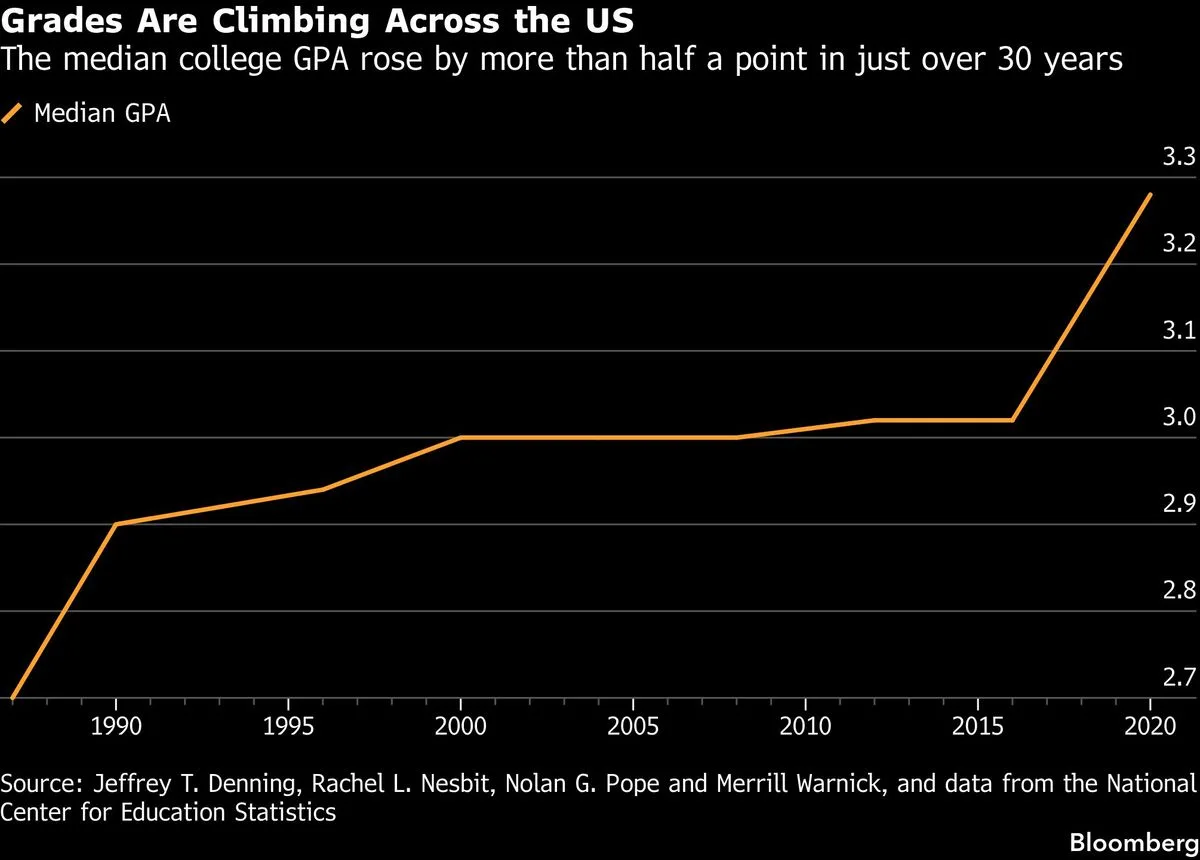
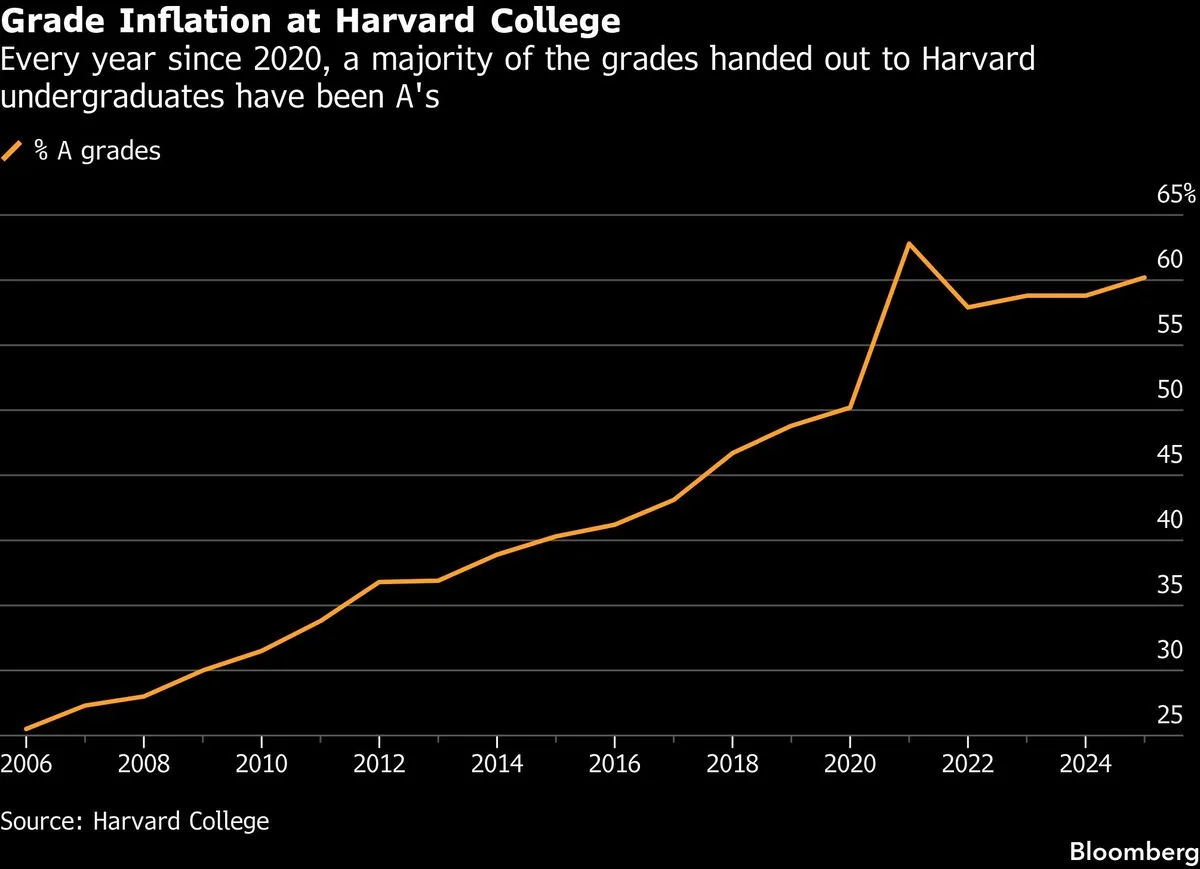
The proposal aims to address grade inflation at Harvard, where about 60% of grades awarded in the academic year ending mid-2025 were A's—more than double the rate recorded in 2006. [1, 2] Following faculty calls to grade more rigorously, the rate fell to 53% in the fall 2025 semester. [1, 2]
Some Harvard professors oppose the proposed limits, citing concerns about fairness and academic freedom. [2] Previous attempts at other elite schools such as Princeton and Wellesley failed due to a lack of collective faculty action. [2]
Grade inflation has garnered attention from the White House, which included grading reform in proposed federal funding priorities. [2] Universities face pressure to keep grades high to stay competitive and protect graduates’ prospects amid demographic shifts affecting college enrollment. [2]
Experts say Harvard’s vote could trigger wider efforts to curb grade inflation nationwide, given Harvard’s prestige and influence. May Mailman, a scholar monitoring grading policies, said, "My hope is that Harvard is very influential. That’s one of the whole reasons why the administration has been so focused on these elite universities. They consider themselves leaders, so I would think and hope it would be quite meaningful." [2]
The discussion around grading reforms is spreading beyond Harvard. Last month, a Yale committee floated possible changes to grading policies that may follow Harvard’s lead. [2]
Faculty eligible to vote have one week from the start of the ballot on May 12 to decide. The Harvard community awaits a decision by May 20, which will set the course for grading policies at one of the nation’s top universities.