India's economy expanded by 7.8% year-on-year in the January to March 2026 quarter, surpassing expectations even as the U.S.-Iran war began in late February and caused regional disruptions [1, 2]. This growth rate exceeded a Reuters poll forecast of 7.2% and reflected resilience amid supply challenges.
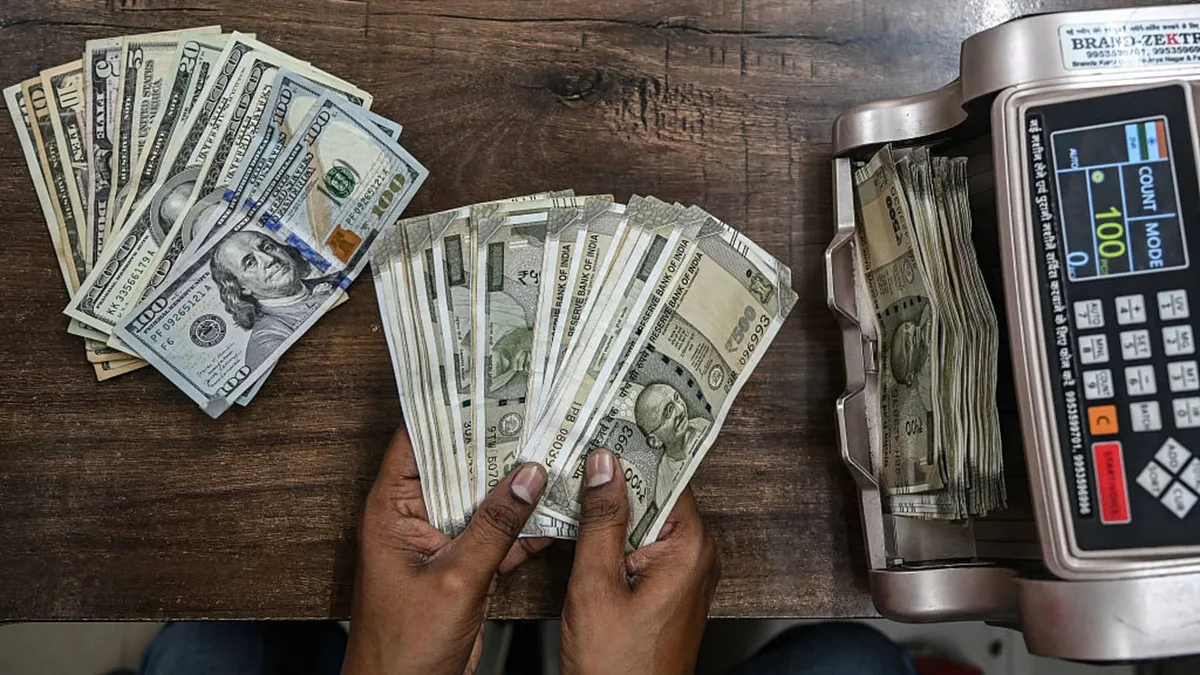
For the full fiscal year ending March 2026, India's GDP grew 7.7%, up from 6.5% in the previous fiscal year [1]. The growth momentum came despite energy supply disruptions linked to the Middle East conflict, which raised import costs and contributed to pressure on the rupee [2].
Before the outbreak of conflict, India had secured a trade deal with the European Union and tariff cuts from the United States, supporting trade and investment flows [2]. However, inflation risks remain. Although consumer price growth stayed below the Reserve Bank of India's (RBI) 4% target as of April 2026, concerns persist due to potential fuel price rises and effects from an anticipated El Niño weather pattern [2].
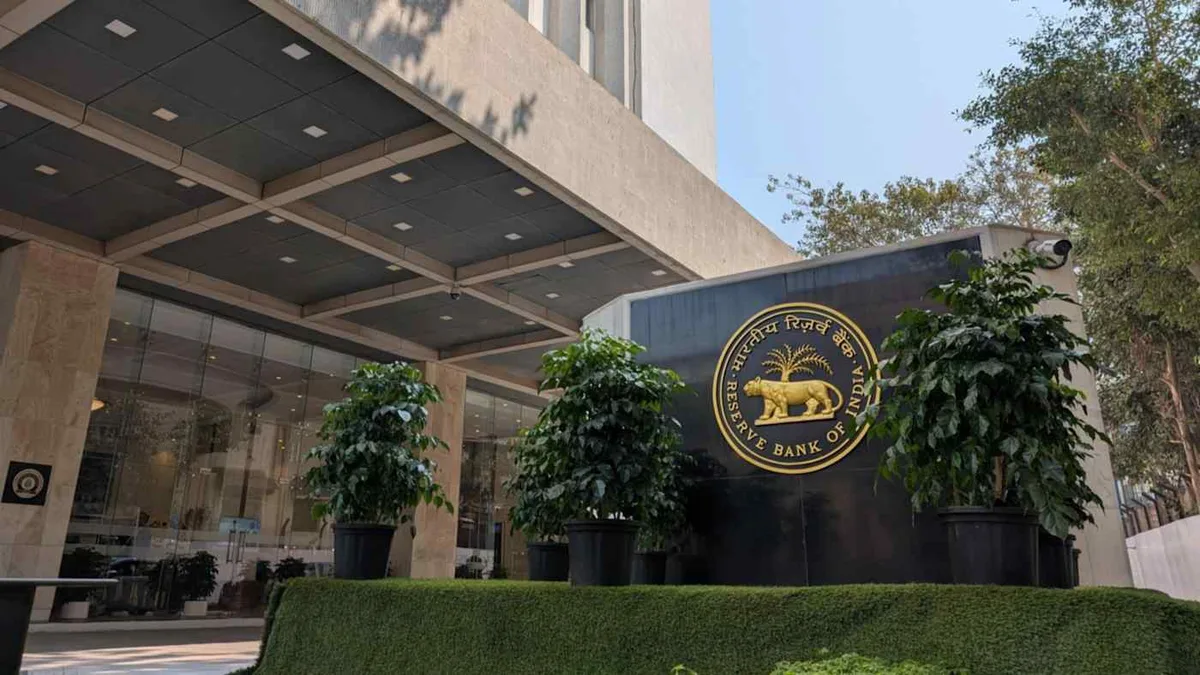
On June 5, the RBI revised its inflation projection for the fiscal year ending March 2027 upward from 4.6% to 5.1%, while lowering its GDP growth forecast from 6.9% to 6.6% in response to worsening global economic conditions [2]. The central bank said it adopted a cautious policy stance amid these risks.
India's ability to record strong GDP growth during the quarter that included the start of the Middle East conflict reflects a complex balance of global headwinds and domestic economic measures. The next key update will come with the RBI’s forthcoming monetary policy reviews later this year, which will assess evolving inflation trends and growth prospects.