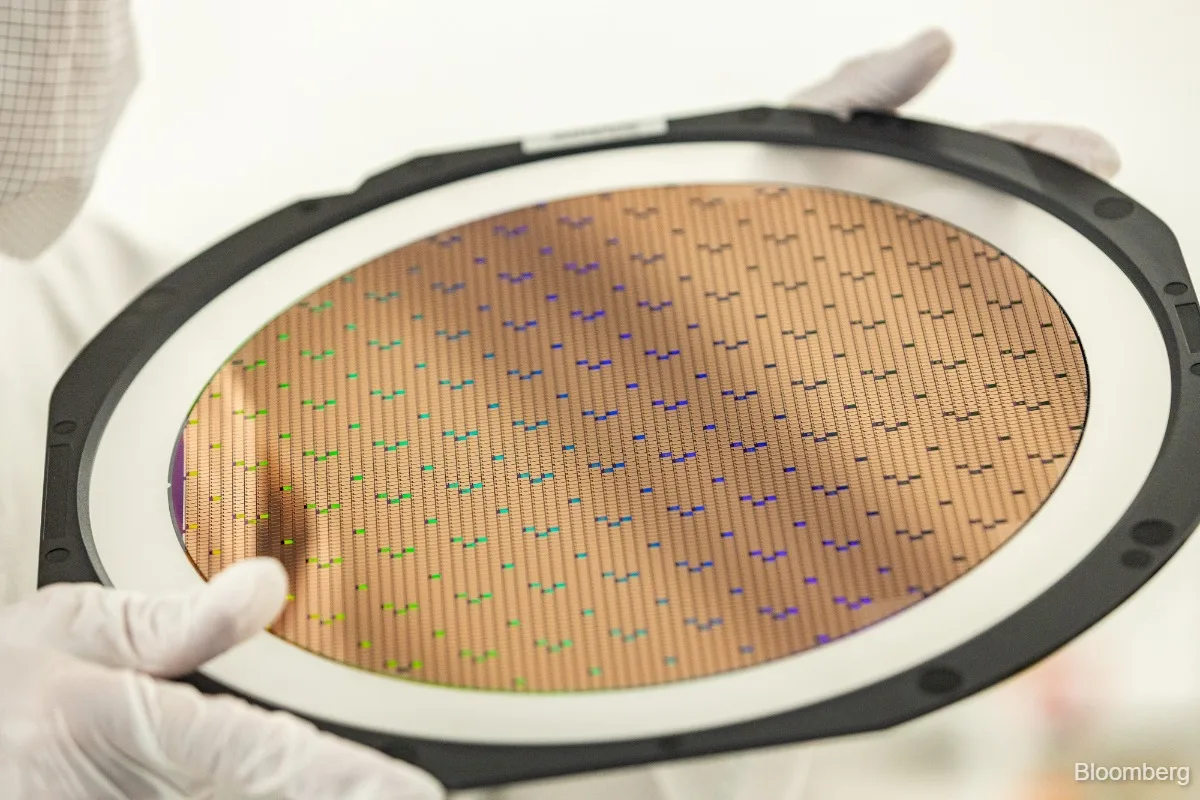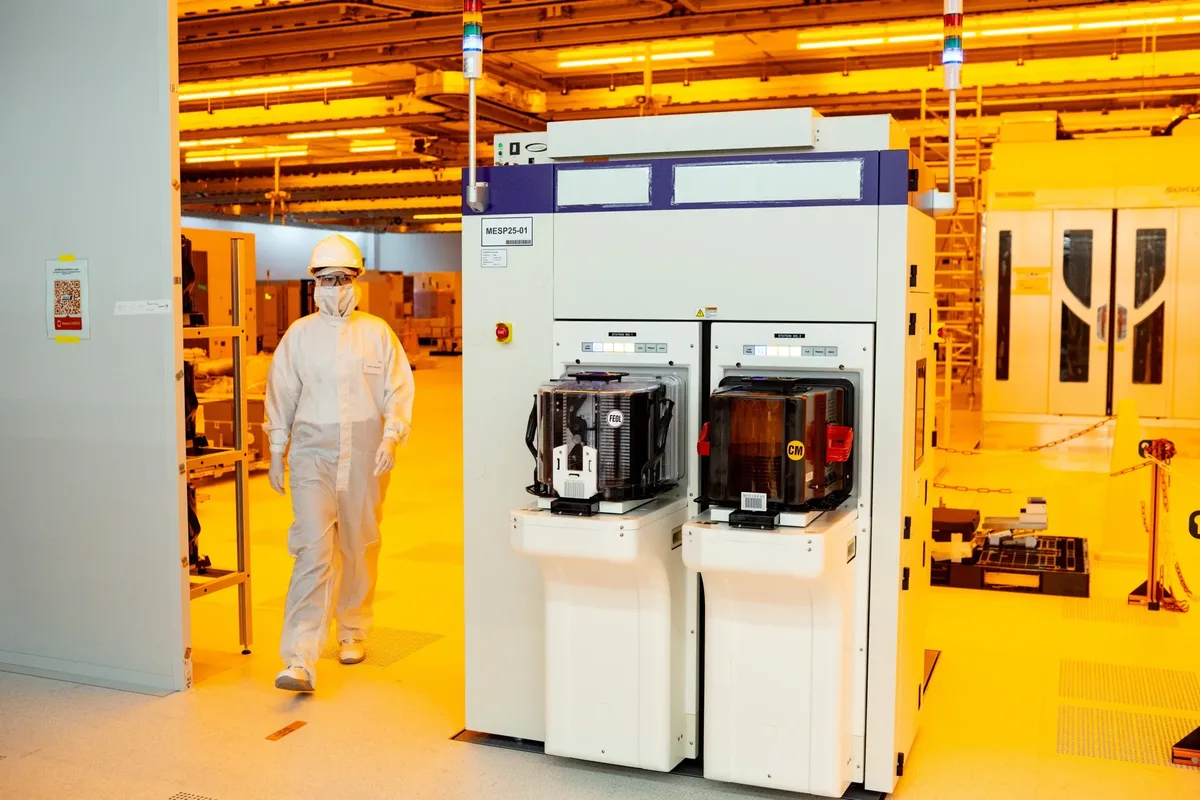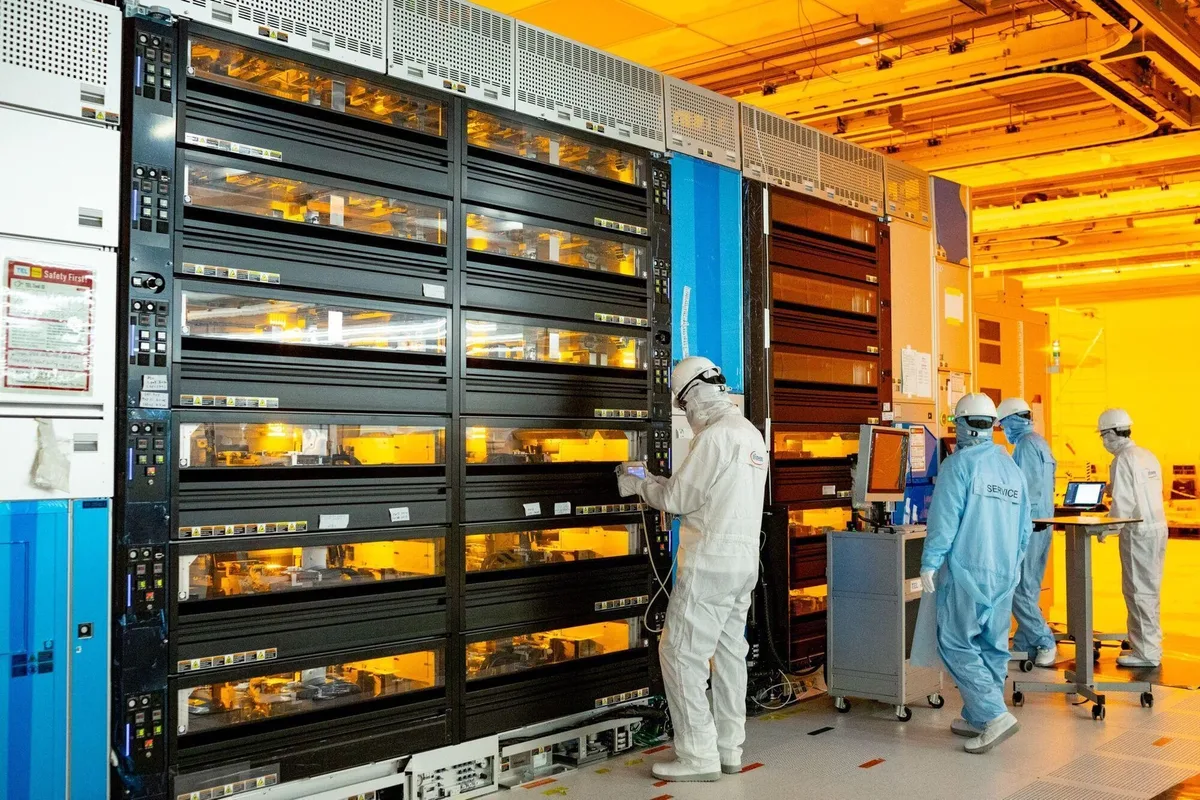
Infineon Technologies AG plans to open a new €5 billion semiconductor factory in Dresden, Germany, on July 2, 2026. The factory is an extension of Infineon's existing Dresden campus and will focus on power chips, including those for AI data centers as demand rises beyond traditional automotive uses [1, 2, 3].
The investment includes about €1 billion in subsidies from the European Union under its Chips Act, which aims to double the EU's share of global chip production to 20% by 2030 [1, 2, 3]. So far, Infineon has spent approximately €2 billion on construction, with the remainder earmarked for future equipment additions as production scales up [2, 3].
Alexander Gorski, Infineon's COO, said the factory's production will grow depending on demand and could generate up to €5 billion in revenue annually once fully operational [2]. He noted that AI data centers planned worldwide will double their electricity consumption by 2030, reaching levels equivalent to all of Germany's current power use.
While the EU Chips Act has faced challenges, including the cancellation of Intel's planned fab in Magdeburg despite subsidies, the European Commission is preparing a new version of the legislation this year to increase investment and reduce reliance on non-EU technology suppliers [2, 3].
Bank of America analysts see Infineon's new Dresden fab as a strong catalyst, with AI power chip demand exceeding current capacities and prompting raised revenue forecasts for 2028 [2].
The opening on July 2 marks a key milestone in Europe's semiconductor ambitions and Infineon's strategic push into the growing AI sector.