Intel reported $16.1 billion in revenue for the second quarter of 2026, marking a 25% increase from a year earlier and surpassing analyst expectations of $14.42 billion [1, 2, 3]. Adjusted earnings per share reached 42 cents—nearly double Intel’s prior guidance and well above the 21 cents expected by analysts [1, 2, 3].
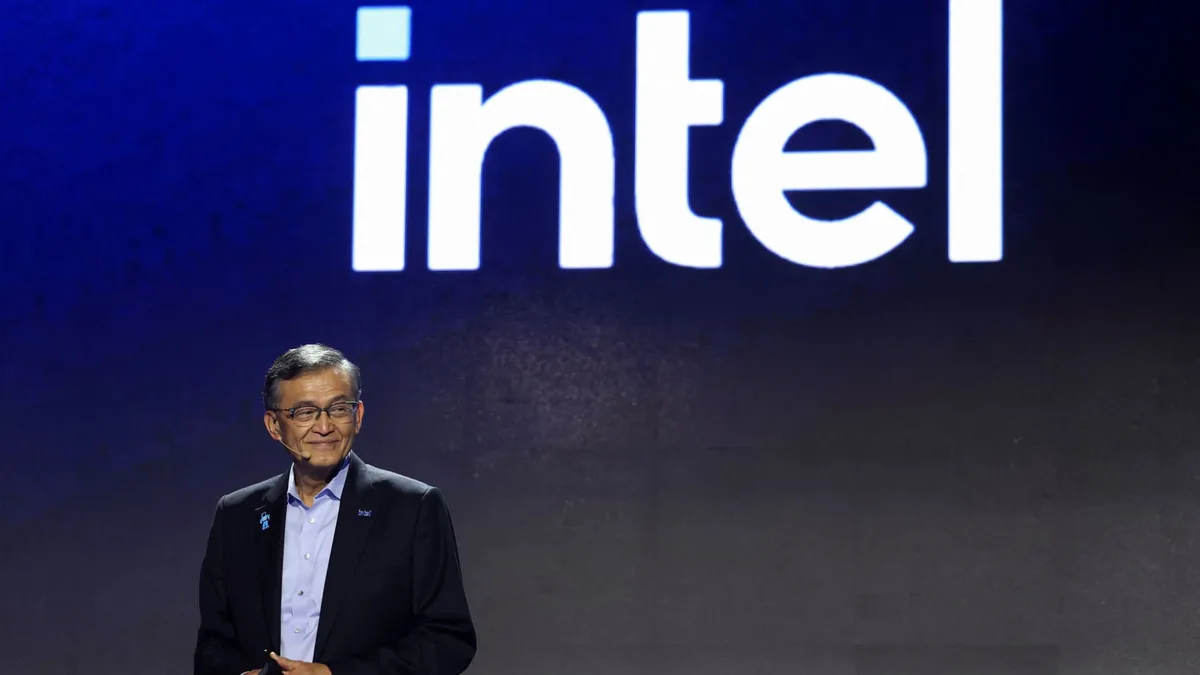
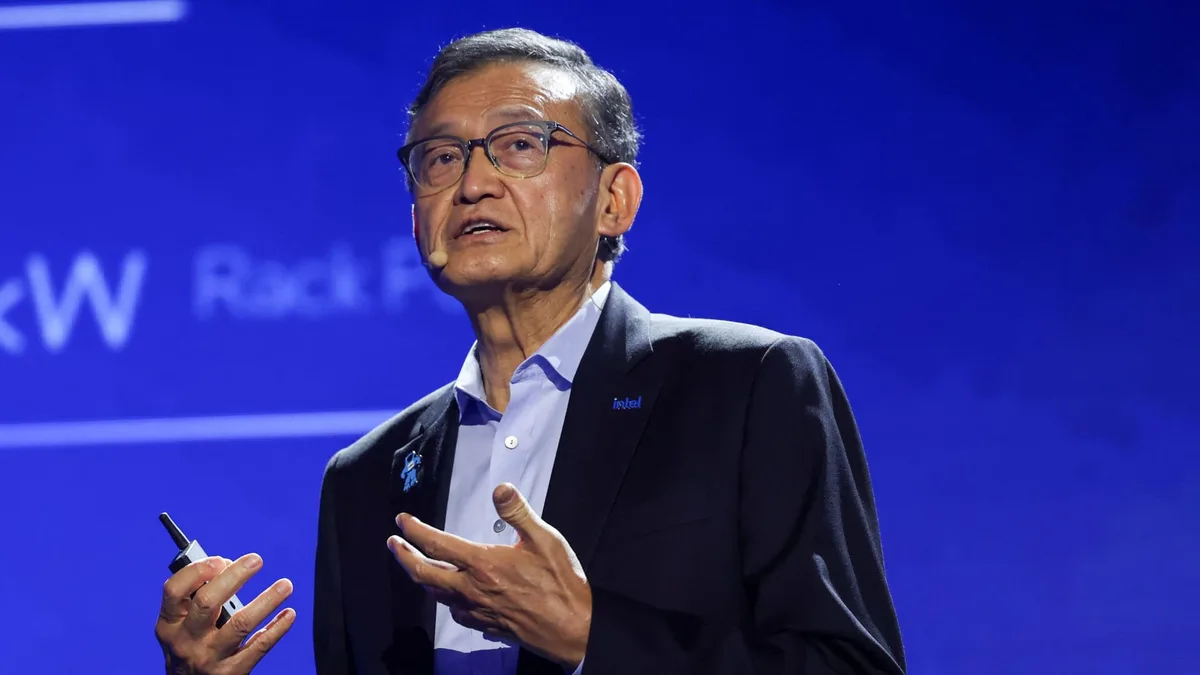
The company’s data center and AI business led the growth, expanding 59% year-over-year to $6.3 billion in Q2 2026. CEO Lip-Bu Tan credited this segment’s strength to surging demand for AI infrastructure, saying, "AI is driving unprecedented demand for compute. As we continue to execute, Intel is well-positioned to capture sustainable growth across our CPU franchise" [1, 3].
Intel’s client computing group also posted solid growth, with revenue increasing 13% to $8.9 billion [1]. The company reported its fastest revenue growth rate since the third quarter of 2011 under Tan, who became CEO in March 2025 and is recognized for turning around Intel's culture and financials [2, 4, 3].
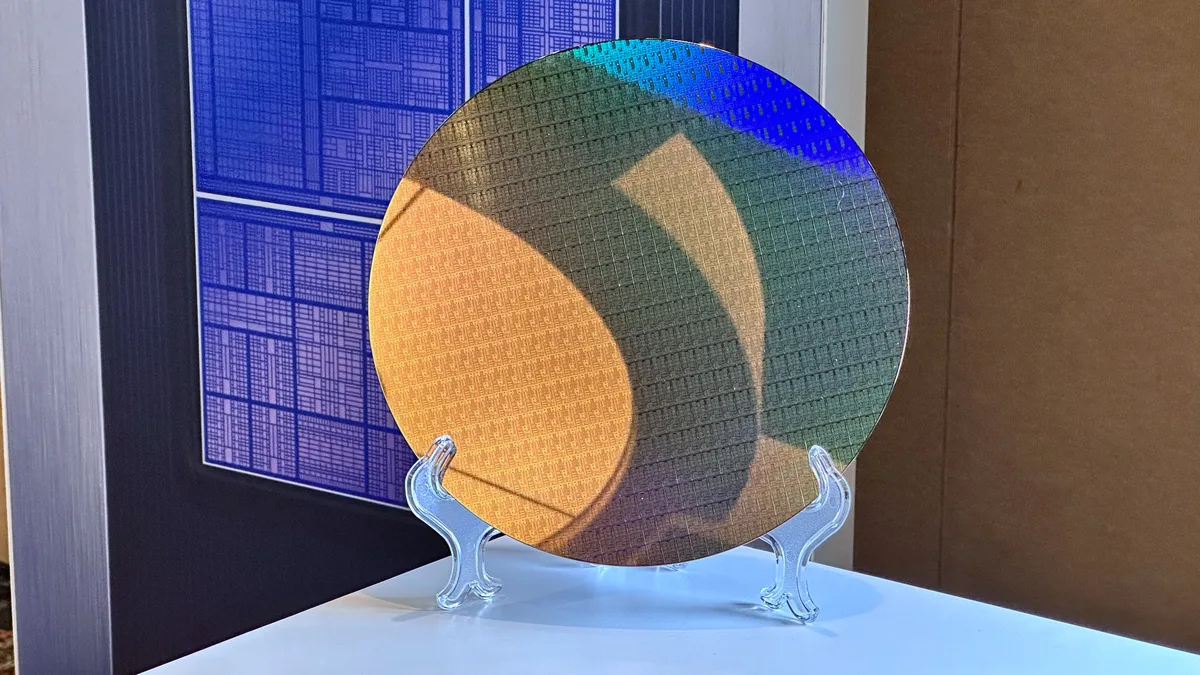
Despite the overall gains, Intel’s foundry business recorded a $2.1 billion operating loss in Q2 2026, continuing to face challenges as it expands production capabilities [4, 3]. The business has improved yields on Intel 7, Intel 3, and Intel 18A nodes, with the next-generation 14A process slated for risk production in the second half of 2027. Tan expressed confidence in the foundry roadmap, stating, "My confidence in our foundry process roadmap has grown significantly since joining over a year ago. I am more confident than ever of the strategic and unique value proposition of Intel Foundry" [1, 4]. However, analyst Jacob Bourne noted the foundry business remains a work in progress, having lost $2.1 billion and still lacking major customers [3].
Intel has secured 10 long-term agreements with customers for its server CPUs, locking in some pricing while others depend on volume [1]. The U.S. government owns about 10% of Intel stock as part of efforts to support chip manufacturing domestically [1, 3].
Financially, Intel’s pro-forma gross margins surpassed 40% for the first time since early 2024, while its operating margin hit 17%, the highest since early 2022 [5]. Seaport Research analyst Jay Goldberg said, "The standout feature was Intel’s profitability, with pro-forma gross margins topping 40% and operating margin of 17%, showing considerable operating leverage" [5].
Looking ahead, Intel expects flat PC sales in the third quarter due to ongoing memory shortages and forecasts adjusted earnings per share of 38 cents on revenue between $15.8 billion and $16.8 billion [1]. Capital expenditures are forecast to exceed $20 billion in 2026, with a meaningful increase planned for 2027 [1, 2].