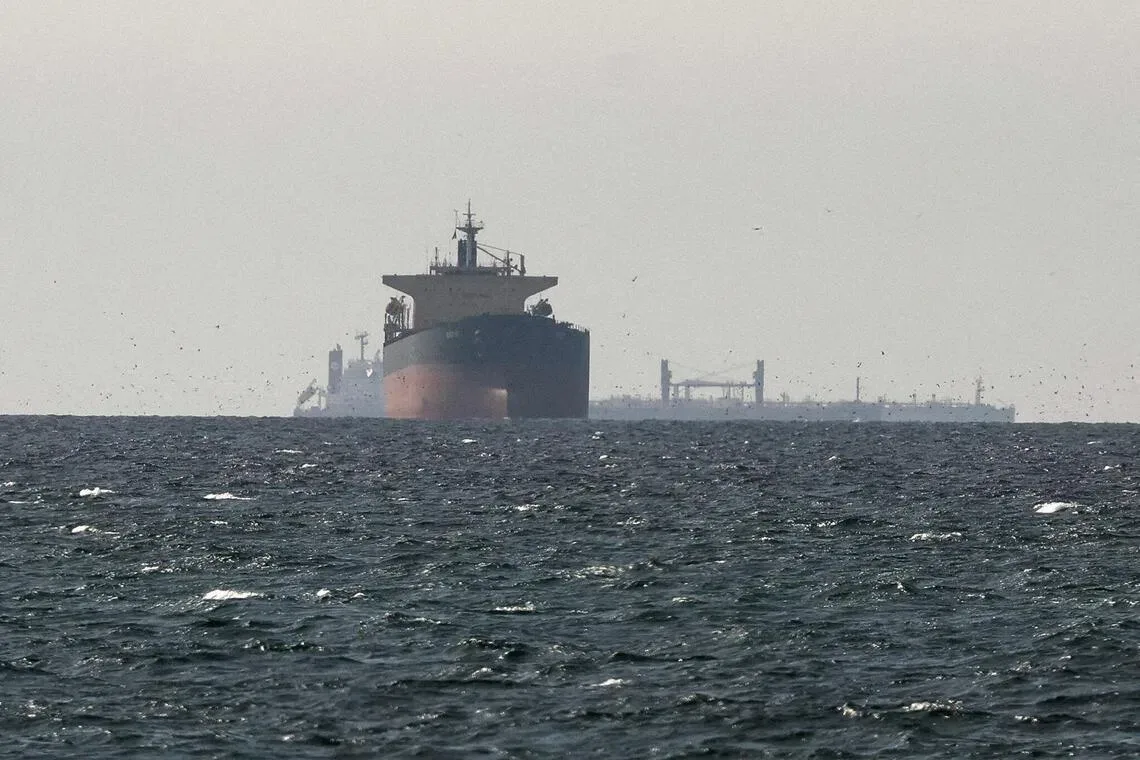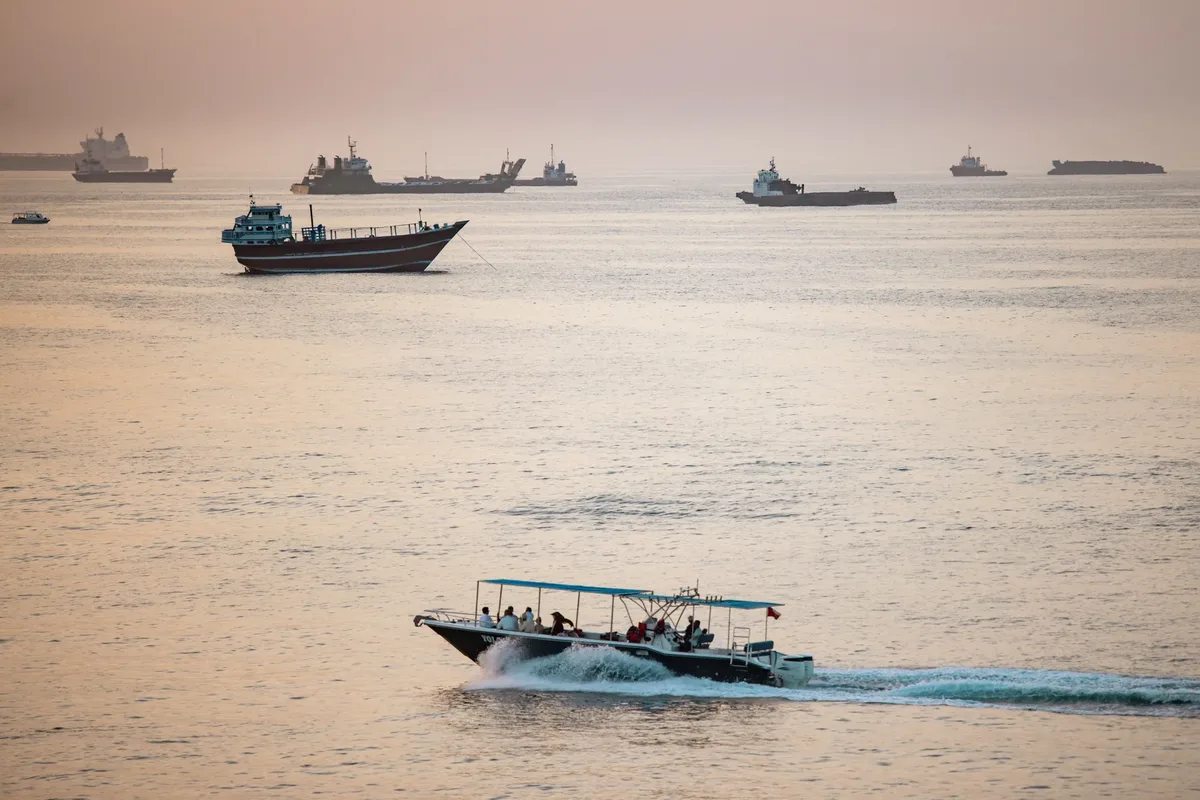
The International Maritime Organization (IMO) began evacuating more than 11,000 seafarers stranded in the Strait of Hormuz due to ongoing Middle East conflict, starting on June 24, 2026 [1, 2, 3]. The evacuation involves ships exiting the Persian Gulf through two designated routes: a northern route passing through Iranian waters and a southern route coordinated by Oman and the United States [4, 1, 2, 3, 5, 6].
At least three ships—two dry bulk and one cargo vessel—have already sailed under the IMO scheme in the past 12 hours, with no reported incidents [1, 2, 3]. Another 35 vessels, including dry bulk, cargo, container ships, five small oil tankers, coastal ships, and tugs, are preparing to transit the strait under the evacuation operation [1, 2, 3]. IMO is working closely with Iran, Oman, the US, and other coastal states to ensure the safety of the passage [4, 6].
The evacuation plan was made possible by a ceasefire framework agreement between the US and Iran signed on June 14, 2026, which enabled safe coordination of maritime traffic in the volatile region [1, 2, 5]. Since the deal, daily vessel transits through the Strait of Hormuz have more than doubled, averaging 22 compared to under 10 previously [5]. IMO hopes to increase this to around 50 vessels daily in the near future [5, 6].
In addition, the US lifted sanctions on Iranian oil exports from June 22 until August 21, 2026, facilitating increased crude shipments through the strait [5]. Brent crude oil price dropped to US$74.76 per barrel on June 24, its lowest since before the Iran war started, on expectations of smoother oil flows and easing tensions [7, 8]. Tim Waterer, chief market analyst at KCM Trade, said, "If sanctions are eased, Iranian production and exports could ramp up relatively quickly given the substantial amount stored on tankers — we are likely talking weeks rather than months." [7]
On June 25, a container ship operated by Taiwan's Evergreen Marine Corp struck an unidentified object in the Strait of Hormuz. The vessel, cargo, and crew were unharmed, and the ship left the strait. However, the incident caused the UN to temporarily suspend evacuation efforts, and Iran issued a warning to regulate traffic after the strike [9].
IMO Secretary-General Arsenio Dominguez said, "We have secured the necessary safety guarantees and have thoroughly verified the conditions for safe navigation to support these operations." An IMO spokesperson added that "ships have already begun to pass under the plan" and urged vessels to wait for instructions before proceeding to avoid congestion and safety risks [2, 6, 1].