Iran fired ballistic missiles at Israel on June 7, marking the first missile attack since a fragile ceasefire took effect on April 17 [1, 2, 3, 4, 5, 6]. The strikes aimed to warn Israel to stop hostile actions in Lebanon, according to an Iranian military adviser [2]. The missile barrage escalated tensions and endangered the ceasefire between the two nations [1, 2, 3, 5, 6].
Israel responded the next day with airstrikes targeting Iranian military sites, including ballistic missile production facilities, deepening the conflict [2, 5, 6, 7]. The US Central Command shot down Iranian drones threatening maritime shipping in the Strait of Hormuz and struck Iranian radar sites amid the hostilities [2, 5, 6].
US President Donald Trump urged Israel not to retaliate further to avoid jeopardizing a near-final peace deal with Iran. "I am going to call Bibi right now and tell him not to retaliate. We are very close to a final deal with Iran," Trump said. He emphasized, "I call the shots. I call all the shots. Netanyahu doesn’t call the shots" [1, 2, 5, 6, 7]. Iran declared it would resume attacks if Israel continued strikes against Hezbollah in Lebanon [7].
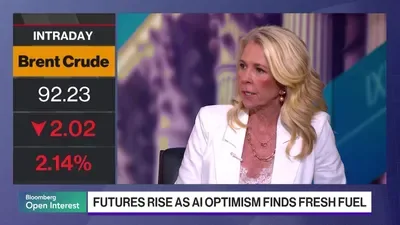
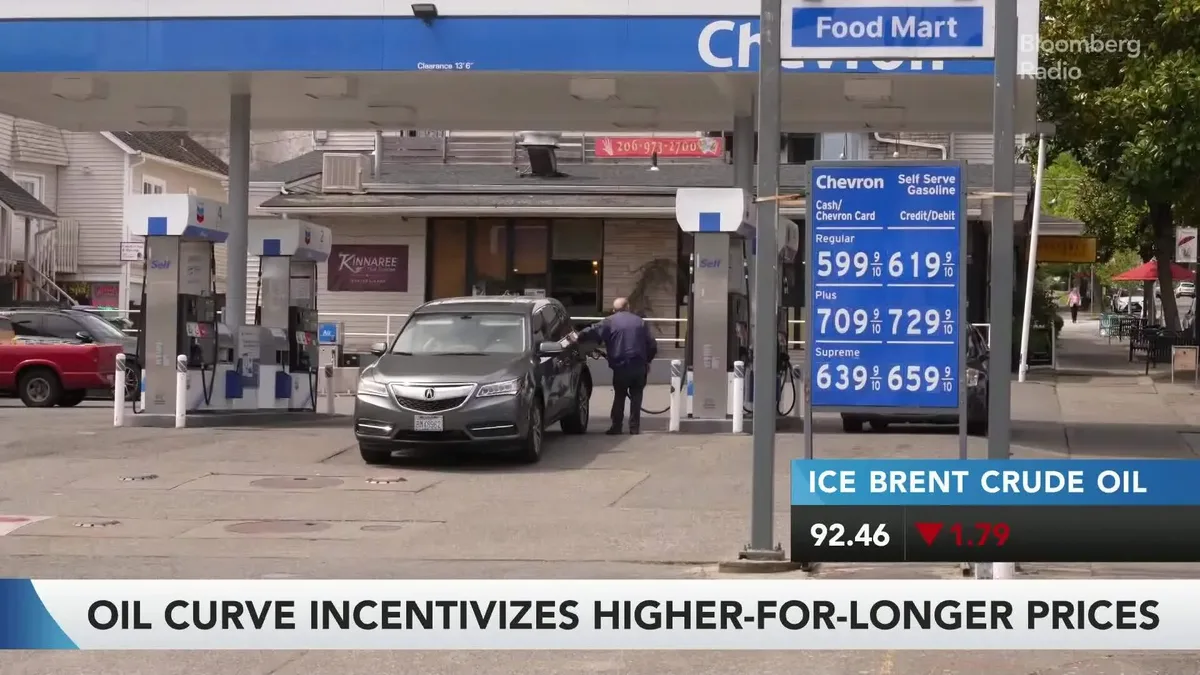
The missile exchanges triggered a surge in oil prices on June 8, with Brent crude nearing $97.37 per barrel and West Texas Intermediate crude trading above $94-$95 [2, 3, 4, 5, 6, 7]. Oil futures traded nervously as worries grew over the Strait of Hormuz, a vital route for global oil shipments, which remains effectively closed [1, 2, 3, 8, 5, 6, 7]. Andy Lipow, president of Lipow Oil Associates, noted the risk: "Increased hostilities result in a greater geopolitical risk that the strait could be closed longer than expected" [5].
Even if a US-Iran peace deal is reached, hurdles remain before oil flows normalize. Mine clearance in the Strait of Hormuz, restarting shut-in oil fields, and repairing damaged infrastructure will take time [2, 3, 8, 5, 6]. Iran's parliamentary speaker said the US naval blockade and violations regarding Lebanon would constitute ceasefire breaches, making US bases legitimate targets [4].
OPEC+ agreed in early June to raise production quotas by about 188,000 barrels per day starting in July to help balance supply [4]. On June 9, Israel and Iran agreed to halt missile attacks following Trump's appeal; oil prices steadied but remained elevated [9, 8].