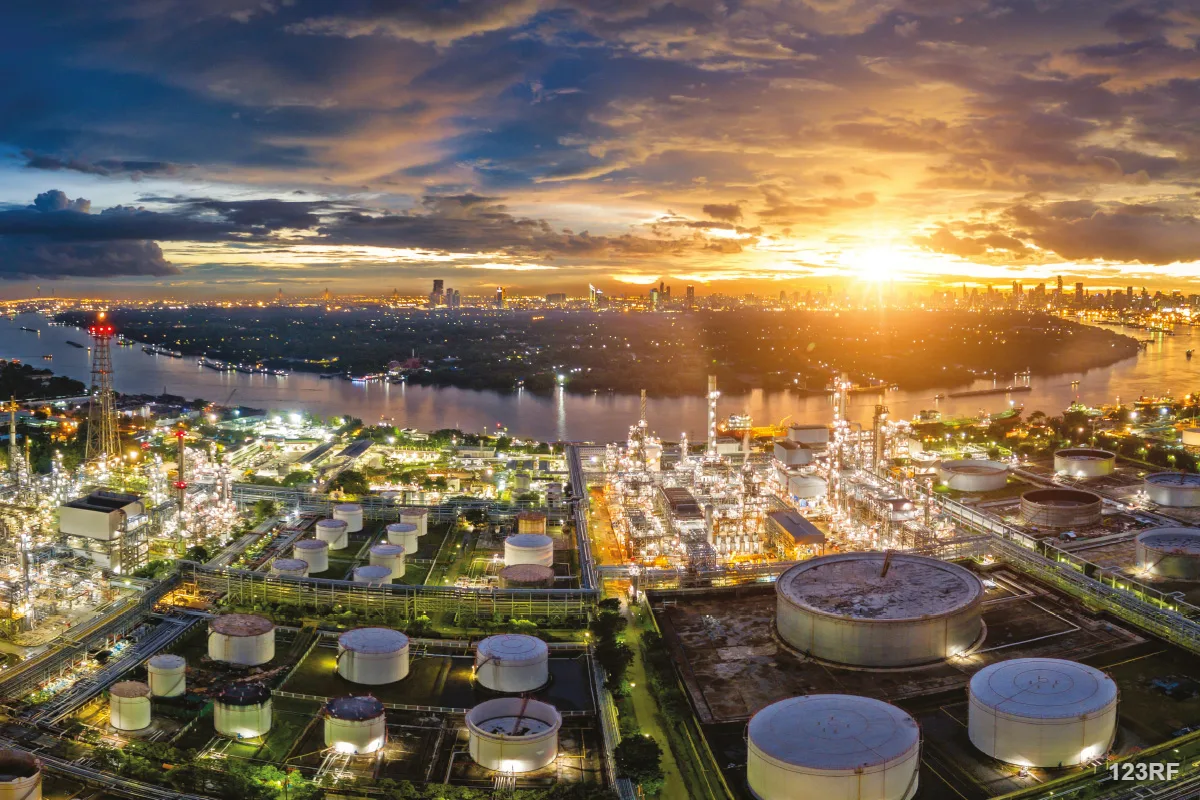
Iran's oil ministry reported on July 25 that the country sold a total of US$18 billion worth of oil during the 2026 US-Iran war and the subsequent ceasefire, covering more than 60% of Iran's forecasted oil revenue for this year's budget amid the crisis [1, 2, 3, 4].
Of the total, $11.5 billion in oil sales occurred during the war period following the US-Israeli strikes on Iran that triggered hostilities on February 28, 2026. The remaining $6.5 billion was sold during the ceasefire that largely ended fighting in April but later broke down in early July, causing renewed clashes over control of the strategic Strait of Hormuz [1, 2, 3, 4].
However, Iran's Parliament speaker and chief negotiator Mohammad Bagher Ghalibaf stated in late June that the country was unable to export any oil during the period when US forces blockaded Iranian ports, a claim that appears to contradict reports of sustained oil sales during the war [1, 2, 3, 4]. Despite the blockade, the oil ministry emphasized continued sales amid the conflict.
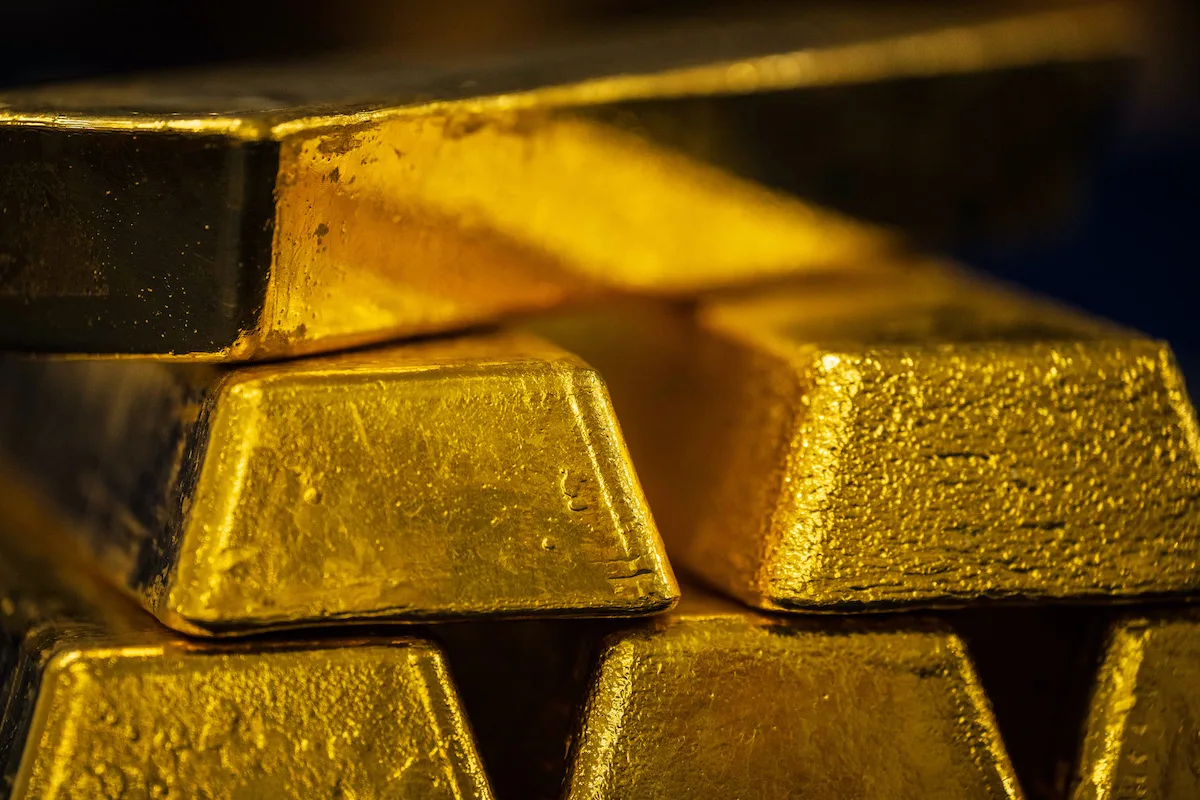
Hostilities escalated again in early July but temporarily eased after the US military paused bombing campaigns against Iran from July 26 to 29. This pause led to falling oil prices—Brent crude traded at $90.45 per barrel on July 27—and a drop in gold prices by up to 1.1%, influenced by market uncertainty over Federal Reserve interest rate decisions scheduled for July 28-29 [5, 6, 7, 8, 9, 10, 11, 12].
A senior Iranian official said Iran would halt attacks as long as the United States did the same, reflecting a temporary de-escalation in late July [5, 8, 9]. However, US forces intercepted ballistic missiles launched by Iran toward US targets on July 29, describing it as an attempted surprise attack [7, 11, 12].
Financial strategists noted the Fed's upcoming policy decision amid inflation and conflict uncertainties could impact gold and currency markets. OCBC's Christopher Wong warned of limited gold recovery if hawkish signals emerge, while Pepperstone's Ahmad Assiri called the rate decision pivotal for gold prices [10, 12]. Rabobank's Jane Foley said market uncertainty was elevated due to the war's unclear duration and limited forward guidance from officials [8].