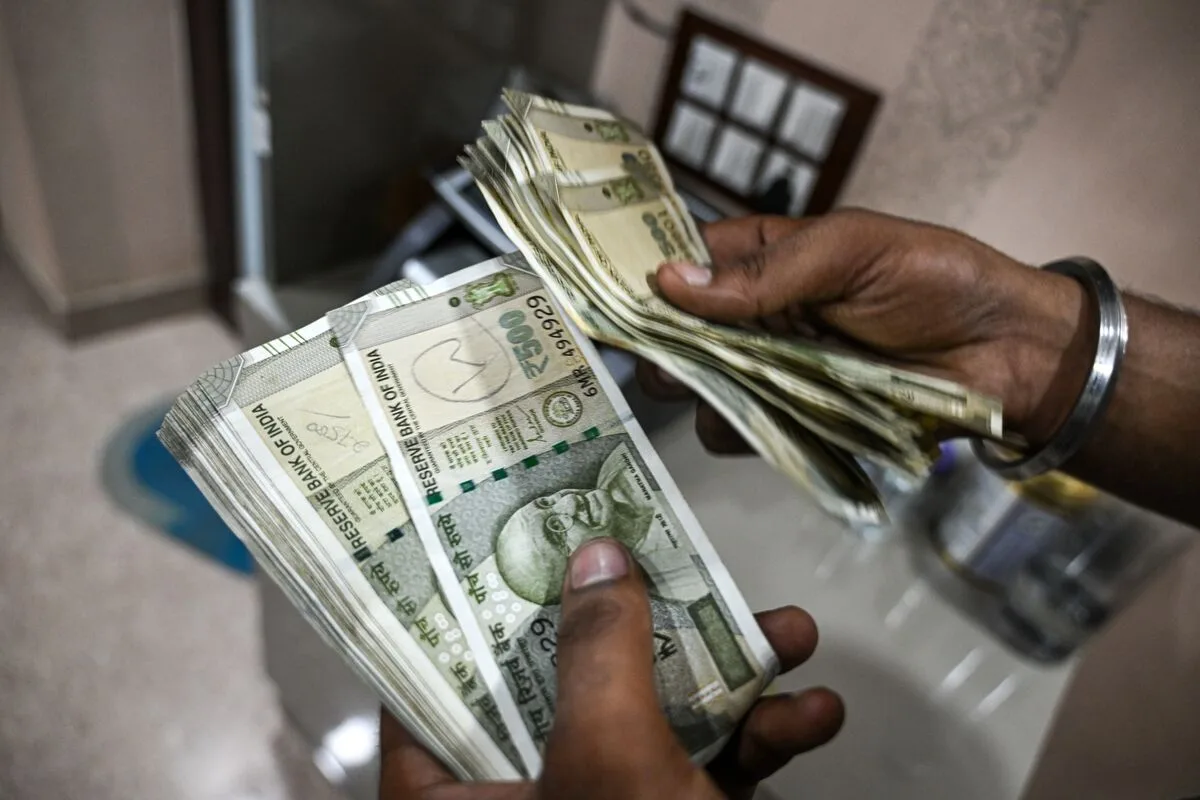
The outbreak of the Iran war in late February 2026 triggered a more than 40% surge in crude oil prices, stoking inflation fears and hitting import-dependent Asian markets hard [1, 2, 3]. Asian currencies including the Indian rupee, Indonesian rupiah, and Philippine peso have weakened significantly, with forecasts showing the rupee reaching up to 100 per US dollar, rupiah 18,000, and peso 65 [1, 2].
Benchmark bond yields have soared globally. US 30-year Treasury yields climbed above 5%, their highest since 2007, while UK 30-year yields approached 6%, the highest in nearly 30 years [4, 5, 6]. Japanese 10-year government bond yields hit almost 2.8%, the highest since 1996, and 30-year yields exceeded 4%, reflecting strain from Japan’s high national debt and years of ultra-low interest rates [6].
Investor concern over sustained higher inflation caused by rising energy costs is driving bond yields upward, alongside worries about public debt and central bank policies [4, 5]. Rising US Treasury yields have reduced the appeal of emerging-market assets, pressuring Asian central banks to tighten monetary policy despite deteriorating economic conditions [2]. Rajeev De Mello, a global macro portfolio manager, said, "The deterioration in import costs relative to export prices will continue to weigh on the currencies of net oil importers" [2].
In response, Indonesia’s central bank surprised markets on May 20 with a larger-than-expected rate hike and pledged increased intervention to defend the rupiah [2]. Indian and Philippine bond yields are also forecast to climb, with the Philippines’ potentially reaching 8% as regional stress mounts [2].
Meanwhile, Russia’s oil revenues surged due to higher crude prices linked to the Iran war, with federal oil tax receipts hitting 707.1 billion rubles ($9.9 billion) in April 2026 [3]. However, Russia struggles to convert oil income into military strength amid labor shortages and economic stagnation. Nigel Gould-Davies of IISS noted, "Oil sales bring rubles. But rubles do not fight. They must be converted into weapons and soldiers that do" [3].
Some analysts argue bond yield rises mainly reflect inflation fears from the war’s impact on energy prices and Asian markets [1, 2]. Others say underlying causes include governments weakening currencies, shown by rising gold prices [6].
The next key event will be how Asian central banks act in response to further currency pressure and bond yield volatility in coming months.