The war on Iran launched in late February 2026 by US-Israeli airstrikes has caused significant energy supply disruptions, creating a shock that may keep inflation elevated even if the conflict ends quickly due to sustained high energy prices and supply issues [1, 2, 3]. Oil prices surged above $120 per barrel in April 2026 amid the conflict, amplifying cost pressures [3].
Europe’s eurozone faces mounting inflation pressures partly driven by the war’s energy shock. Inflation there stood at about 3% in May 2026, with consumer medium-term inflation expectations rising, building on previous inflation scars from the 2022 Ukraine war and ongoing geopolitical tensions [4, 5, 3]. ECB chief economist Philip Lane said in Tokyo on May 28 that "even if the initial energy shock starts to reverse, the second round (effects) will be with us for a while," adding the challenge requires skillful monetary policy balancing [1, 2]. The ECB Consumer Expectations Survey in March 2026 found nearly half of eurozone consumers are now highly sensitive to price changes, reflecting a 'double scar' effect from consecutive conflicts [3].
Financial markets have priced in two ECB rate hikes with about a 50% chance of a third during 2027 in response to these inflation risks [1, 2, 5]. The ECB is closely monitoring inflation dynamics amid the energy disruptions and consumer sensitivity.
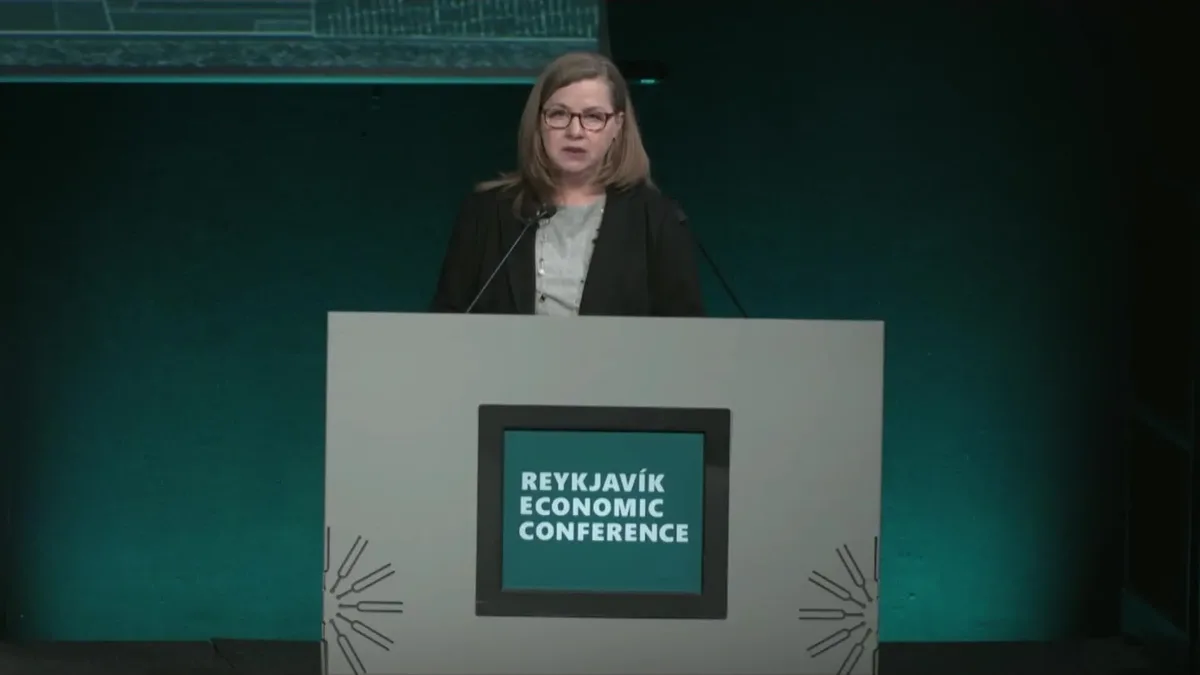
Across the Atlantic, Federal Reserve Vice Chair Michelle Bowman said on May 29 in Iceland it is "too soon to fully judge the inflationary impact of the Iran war," but acknowledged the risk that persistent disruptions could raise inflation and push the Fed toward tighter policy [6, 7, 8]. Bowman supported maintaining the Fed’s April policy stance, which left open the possibility of future rate cuts but warned that continued inflation pressures could lead her to support further hikes [7, 9, 8]. The Fed’s benchmark interest rate was 3.50%-3.75% as of May 2026, while inflation measured by the US personal consumption expenditures price index rose 3.8% annually through April [7, 9, 8]. Bowman said, "Should disruptions persist well into the second half of the year, we could start to see broader effects on inflation," emphasizing the challenge of balancing temporary energy-driven inflation against long-term credibility [7, 8].
Both the ECB and Fed recognize that inflation shocks from wars can trigger complex economic responses, requiring careful monetary policy adjustments to avoid overreaction while maintaining credibility [1, 2, 5, 8].
Fed officials, including Bowman, are reviewing the latest data and consider possible additional rate hikes if inflation pressures from the Iran war persist beyond mid-2026 [9].