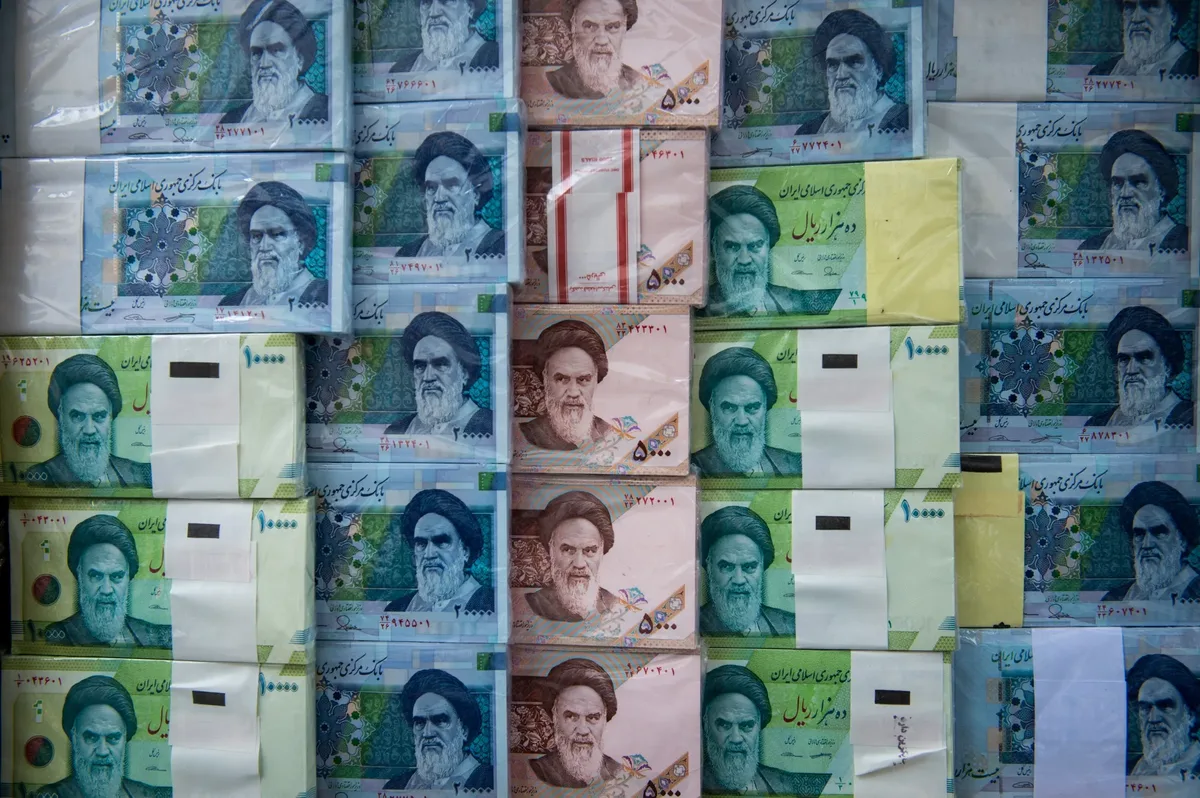
The Iranian rial plunged to an unprecedented low level, trading around 2 million rials per US dollar on the unofficial market between August 23 and 24, 2026, amid escalating US sanctions [1, 2, 3, 4]. This represents a depreciation exceeding 100% compared to 2025, when the rial was about 958,000 per dollar [2, 3, 4].
The sharp devaluation follows an economic campaign launched by the US administration under President Donald Trump. On August 19, Trump announced a "crushing economic operation"—referred to by officials as an "economic D-Day"—aimed at isolating Iran economically by cutting off its oil exports and financial lifelines [1, 2, 5, 3]. US Treasury Secretary Scott Bessent underscored the severity of the sanctions on August 24, describing the effort as designed to "sever every economic lifeline that sustains the tyrannical regime until Tehran stands alone" and targeting not only Iran but also third-party countries trading with it [1, 2, 5, 3, 6, 7].
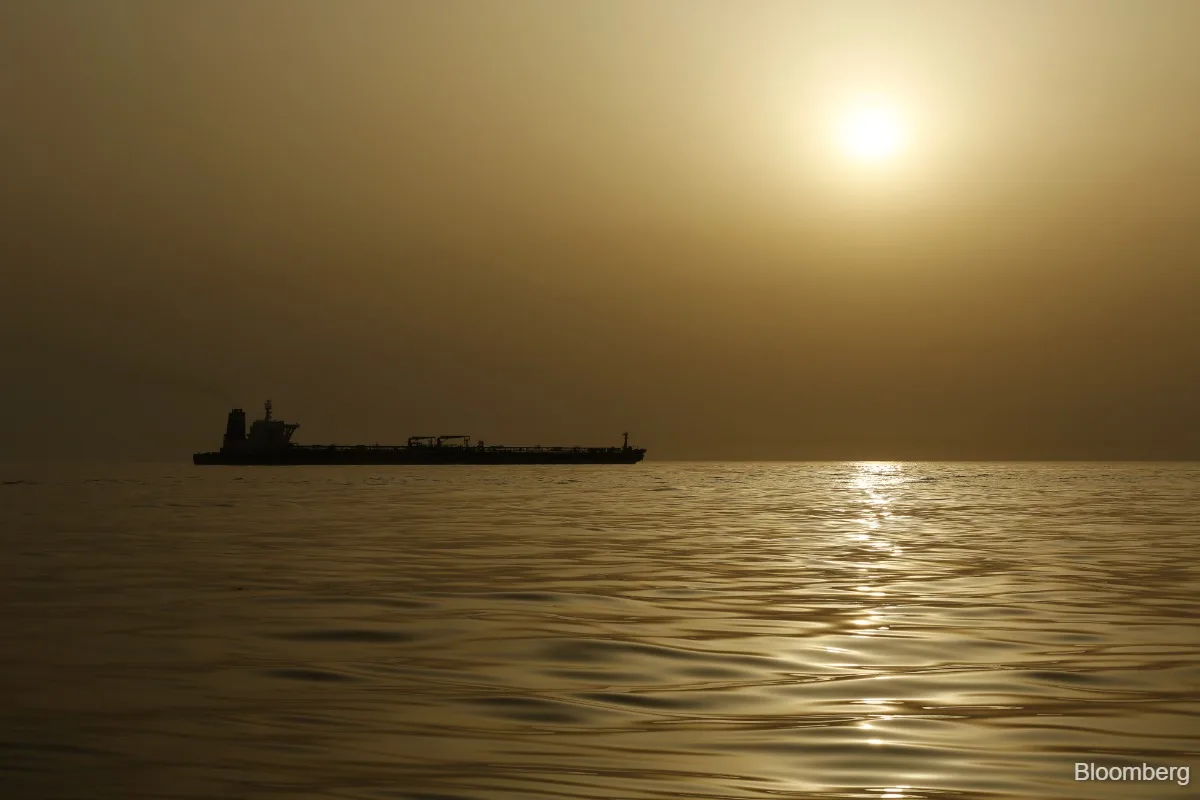
Iran’s crude oil exports have effectively stopped due to US sanctions and blockades targeting Persian Gulf ports and trade routes such as the Strait of Hormuz [1, 8, 5, 3, 4]. China, which imports over 80% of Iran's seaborne oil exports, has condemned the unilateral US sanctions and called for diplomatic solutions [1, 3, 7].
The economic toll on Iran has been severe. The International Monetary Fund estimates a GDP contraction exceeding 5% for 2026. Inflation, particularly for food, has surged over 100%, with staple items such as rice and beef seeing price increases of approximately 60% and over 150% respectively [9, 6, 7]. Unemployment is rising against the backdrop of sanctions and ongoing regional tensions [9, 6, 7, 10]. Citizens report growing anxiety about soaring prices and shrinking opportunities. A Tehran resident said, "We have experienced revolution, war, sanctions, rising prices, and hardship. Now, in our 50s, we worry about our children’s jobs, future, education, university, and marriage expenses. How much longer can we endure these external and internal pressures?" [2]
Iranian officials have pledged a hardline response. Mohsen Rezaei, Secretary of the Supreme National Security Council, warned that any country backing US sanctions will be deemed an enemy, framing economic sanctions as acts of hostility [3]. Meanwhile, Foreign Minister Abbas Araghchi highlighted Iran’s intent to deepen ties with multilateral groups like the Shanghai Cooperation Organisation and BRICS as an alternative to Western-dominated financial systems [1].
US sanctions now cover a broad range of sectors, including oil, finance, digital assets, gold, technology, aviation, and shipping. About 60 entities and individuals have been added recently to the US sanctions roster [6, 10].
The sanctions campaign and rial depreciation have accelerated sharply since mid-August, with the rial hitting a record low after Trump’s initial announcement on August 19 and Bessent’s sanction expansion on August 24 [1, 2, 3, 4]. The ongoing economic pressure on Iran will remain focused on cutting off foreign currency inflows and oil revenue, with additional secondary sanctions targeting countries that trade with Tehran.
US authorities have scheduled further reviews of sanctions enforcement in the coming weeks, signaling continued pressure on Iran’s economy throughout 2026.