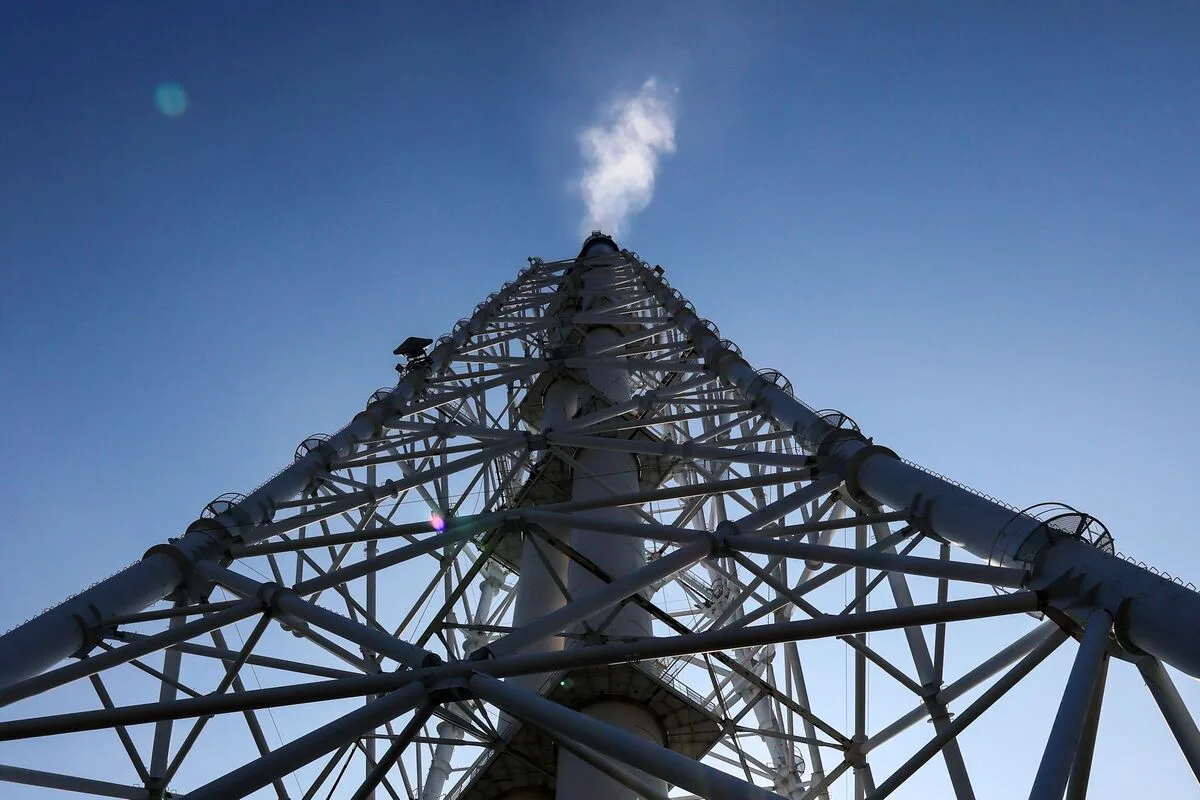
Japan’s coal-power generation is climbing while natural gas-fired output is falling as conflict in the Middle East chokes LNG supplies and pushes prices higher. [1, 2, 3]
Japan’s 30-day moving average for coal generation across its main islands was up 17% on Tuesday from the same period a year earlier, while natural gas-fired generation was 10% lower, according to utility data cited in the reports. [1, 2, 3]
The reports link the shift to the Iran war, which began in late February and left the Strait of Hormuz effectively closed. The waterway normally carries about a fifth of global LNG supply, so the disruption has tightened shipments from the region. [2, 3]
An early attack in the conflict on the world’s biggest LNG production plant in Qatar added to the strain, the reports said. Japanese utilities have also cut their reliance on LNG from Qatar and the United Arab Emirates over the past several years. [2, 3]
Supply from Qatar and the United Arab Emirates accounted for around 6% of Japan’s total LNG supply in 2025, down from 25% a year earlier. Higher LNG import costs have fed through into higher spot power prices in Japan. [2, 3]
In the Kansai region, coal-power generation reached 56,624 megawatt-hours on Tuesday, the highest level since March 13. A recent nuclear plant outage in the area may also be adding to demand for other power sources. [2, 3]
Japan’s coal generation across its main islands had been consistently higher since late March, according to the timeline in the reports. [1, 2, 3]