Japan's GDP grew 0.3% quarter-on-quarter in April-June 2026, equating to an annualized rate of 1.1%, marking the third consecutive quarter of positive growth following a revised 1.9% annualized gain in Q1 2026 [1, 2, 3, 4, 5, 6, 7]. However, the performance missed economists' median expectations, which ranged from approximately 1.67% to 2.0% annualized [2, 3, 4, 5, 6].
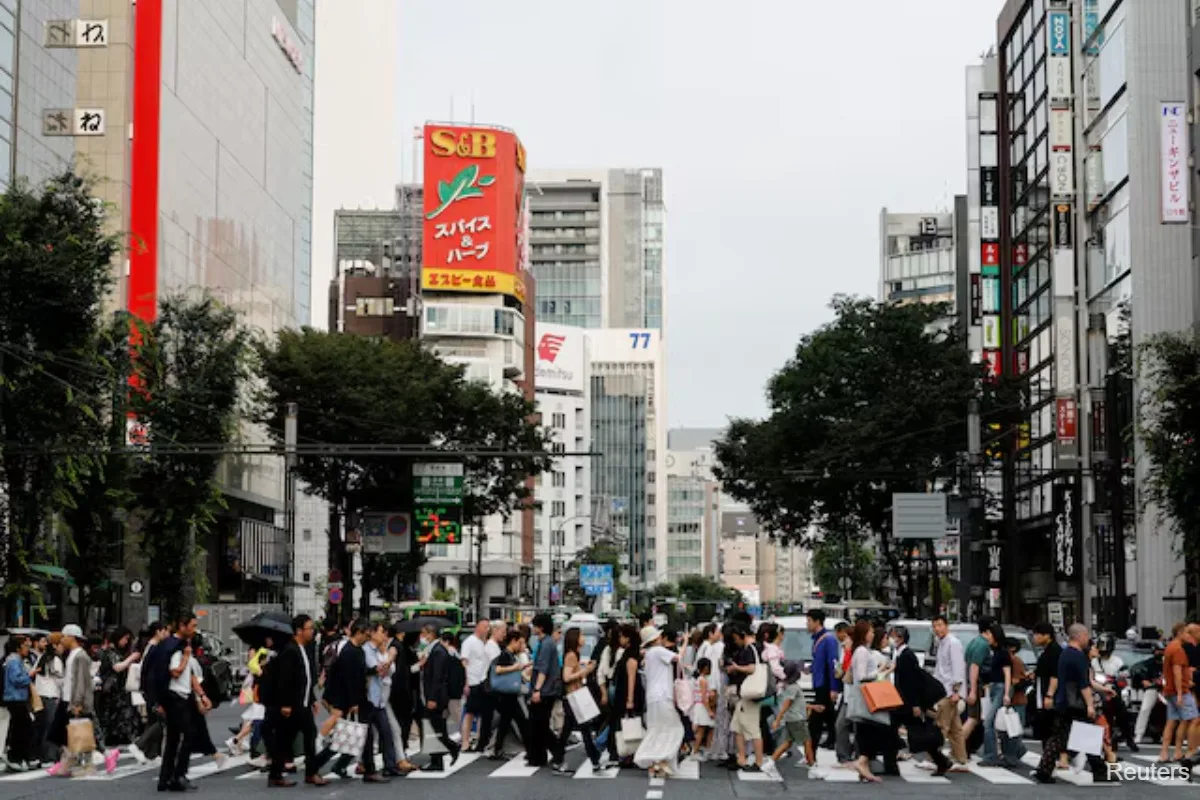
Private consumption was flat or slightly negative, estimated between -0.02% to 0%, falling short of forecasted growth around 0.4% to 0.5%. Keiji Kanda, chief economist at Daiwa Institute of Research, said, "Consumption was quite weak. The decline in nondurable goods was larger than expected, and considering that consumption was not as strong as expected and that capital spending was weak, my assessment is that the overall result was not particularly strong either." [2, 3, 5, 6, 7]
Capital spending fell about 1.2% quarter-on-quarter, disappointing expectations for modest growth [2, 3, 5, 6, 7]. Net exports contributed positively to growth, adding roughly 0.5 percentage points due to resilient exports and decreased imports [2, 5, 6, 7]. Norihiro Yamaguchi, lead economist for Japan at Oxford Economics, noted, "Although AI-related goods exports will continue to stay robust in the near term, sluggish non-AI-related global economic activities will limit overall export gains." [5]
Rising energy and raw material costs from the Middle East conflict and a weaker yen have pushed prices higher and weighed on consumer spending [2, 3, 4, 5, 7]. Government consumption increased about 1.6% helped by subsidies, including expanded aid starting in April for high school tuition and meal fees [7]. Yoshiki Shinke, senior executive economist at Dai-ichi Life Research Institute, said, "Considering that, maintaining positive growth in the April-June quarter is encouraging." [6, 7]
In June 2026, Japan’s central bank raised its benchmark interest rate to 1%, the highest level in more than 30 years, responding to rising inflation pressures [3, 5]. The weak GDP growth and softness in domestic demand are complicating policy decisions for the Bank of Japan, with markets pricing a high likelihood of another rate hike at the September 18 meeting [3, 5].
Economists forecast a slowdown in GDP growth to around 0.05% annualized for July to September 2026, citing rising import costs and continued weak consumption [2, 3, 5]. The market will closely watch the Bank of Japan's policy meeting in September for fresh signals on interest rates and outlook.