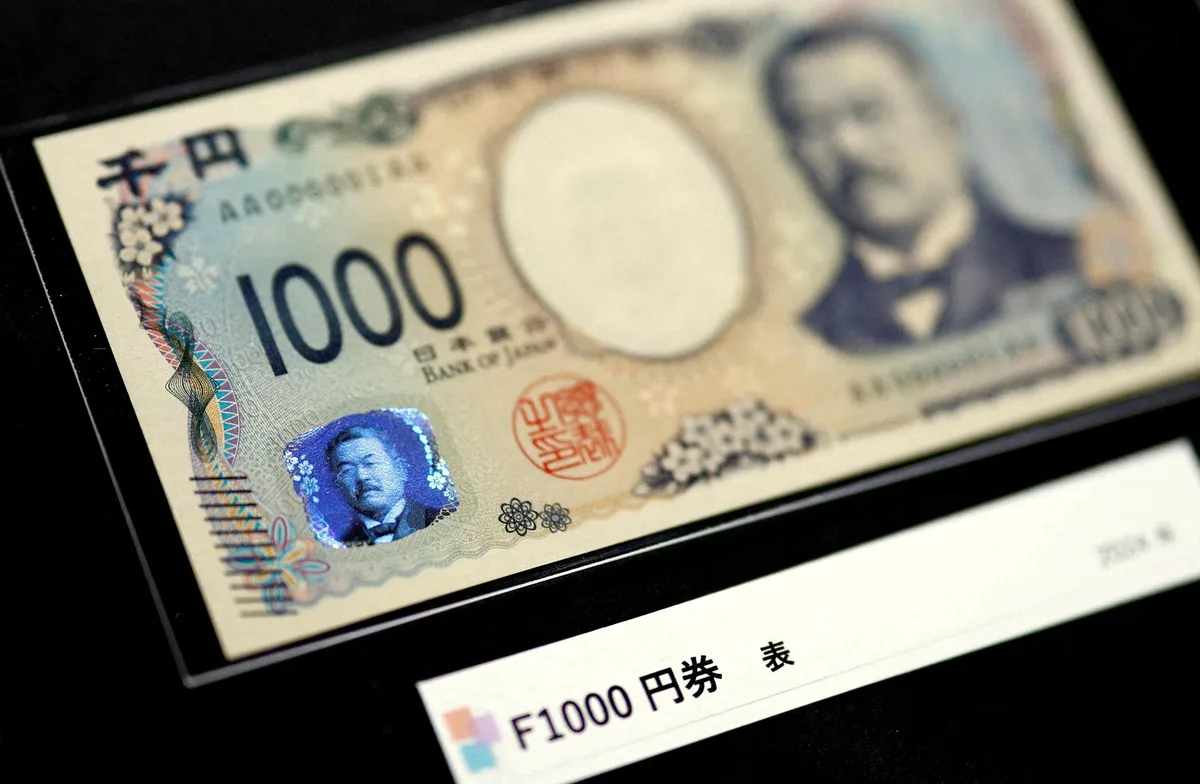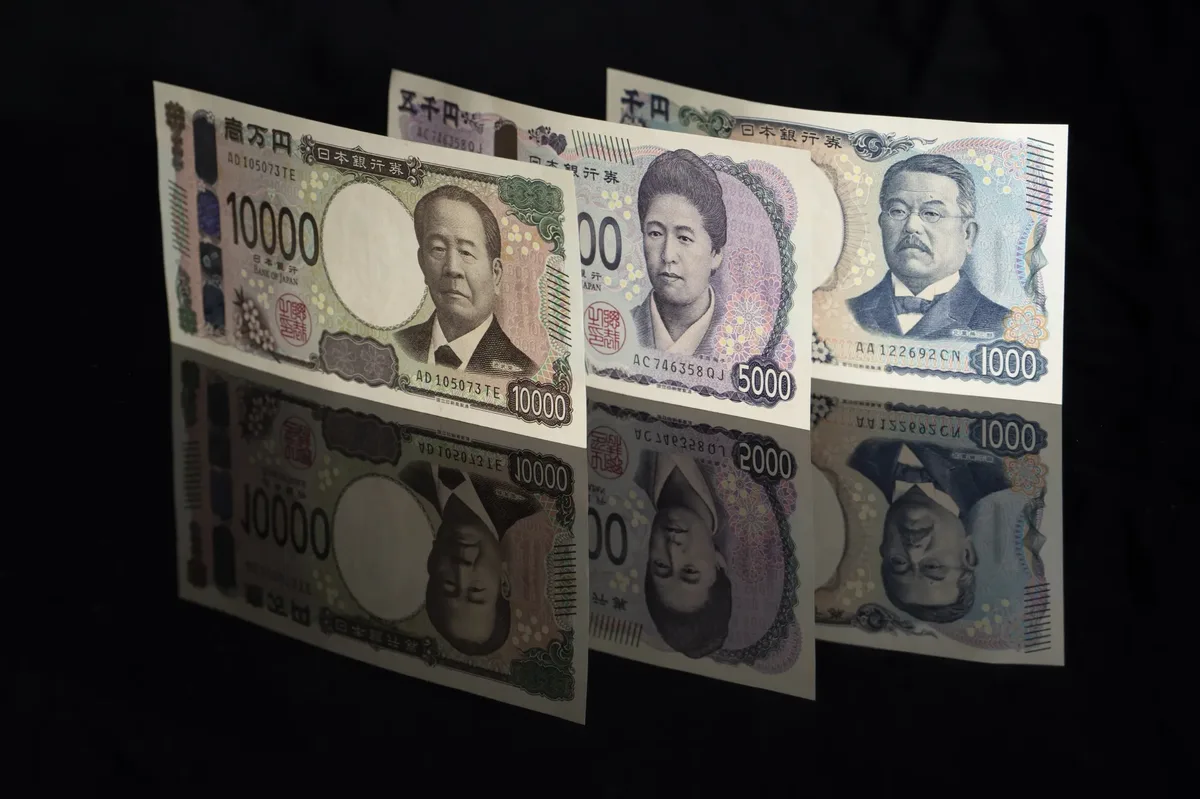
Japan's yen weakened to its lowest level since July 2024 in late April 2026, driven by higher energy import costs and capital outflows related to global tensions and economic conditions [1, 2].
To counter the decline, Japanese authorities intervened by spending nearly $74 billion in a single month, a record amount, in an effort to prop up the currency [1, 2]. The intervention initially caused a sharp rebound in the yen but the effect was short-lived, leaving the currency still weak against major peers [2].
Finance Minister Satsuki Katayama said the government stands ready to take "appropriate action," indicating further intervention remains possible [2].
One of the major external pressures on the yen is the ongoing US-Israel war with Iran, which has driven up energy costs for Japan. The country imports more than 95% of its oil from the Middle East, making it highly vulnerable to regional conflicts that elevate oil prices [2]. Rising oil prices increase Japan's dollar-denominated energy import costs, which in turn boosts demand for foreign currency and weakens the yen [2].
Structural factors also add pressure. Japan continues to maintain ultra-low interest rates compared to much higher rates abroad, encouraging investors to borrow yen cheaply and invest overseas. This has led to significant capital outflows [2]. The Bank of Japan raised interest rates in December 2025 to the highest levels in 30 years, but they remain low by international standards [2].
Global inflation and shifts in US interest rate expectations, influenced by the Middle East conflict, have also made dollar assets more attractive, further pressuring the yen [2].
While the yen's weakness has improved Japan's export competitiveness and boosted tourism, it has also driven up import costs, fueling inflation and squeezing household incomes [2].
Following the intervention in late April, Japanese officials are monitoring the currency's performance closely amid ongoing geopolitical risks and economic challenges. Finance Minister Katayama's remarks suggest additional steps may be taken soon if necessary [2].