The yield on 30-year US Treasury bonds exceeded 5.15% on May 18 and 19, 2026, peaking near 5.20%, marking the highest level since 2007 [1, 2, 3, 4, 5, 6, 7]. On May 19 alone, the yield reached an intraday peak of approximately 5.197%, according to several sources [2, 4, 5, 7]. The 10-year Treasury yield also climbed to about 4.66%-4.68%, its highest since January 2025 [2, 4, 5, 8, 7].
Investor concerns over persistent inflation and elevated oil prices fueled by Middle East geopolitical tensions have contributed to rising yields. Many expect the Federal Reserve to maintain a hawkish stance with potential rate hikes before the end of 2026, rather than cuts, further pressuring yields upward [9, 1, 2, 3, 4, 5, 6, 8, 10]. Jim McCormick, a macro rates strategist at Citigroup, said investors' strategies to buy US bonds on dips have shifted, noting, "Core inflation shows no sign of easing, and as the world's largest economy, the US growth outlook may outperform other developed markets due to better energy crisis resilience" [6].
Survey data reflect that 62% of fund managers anticipate 30-year Treasury yields could reach 6% in the coming months, signaling expectations of further increases [1, 2, 4]. BNP Paribas strategist Guneet Dhingra remarked, "Above the 5% yield threshold, the market has lost its anchoring point... the 70-year Treasury trading range should be locked between 5.25% and 5.5%" [3]. Morgan Stanley’s Jim Lacamp noted the shift in market expectations: "At the start of the year, everyone expected rate cuts, key for bulls; now it appears rate hikes are possible" [4].
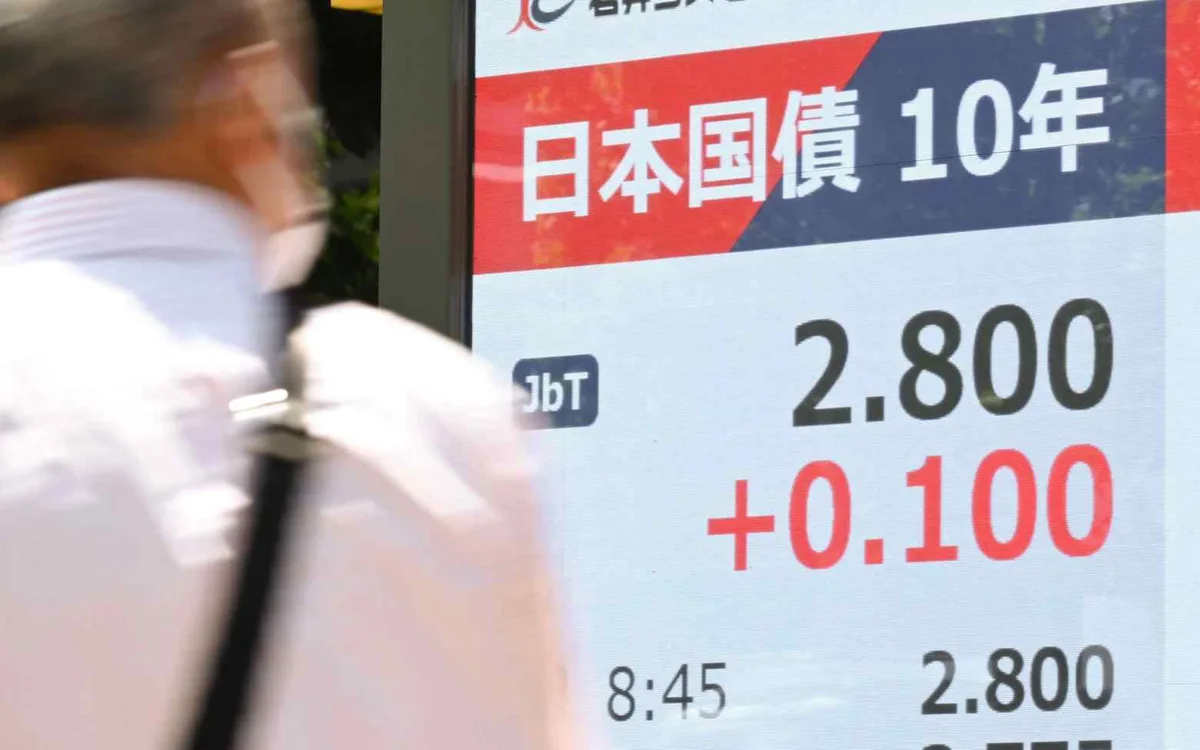
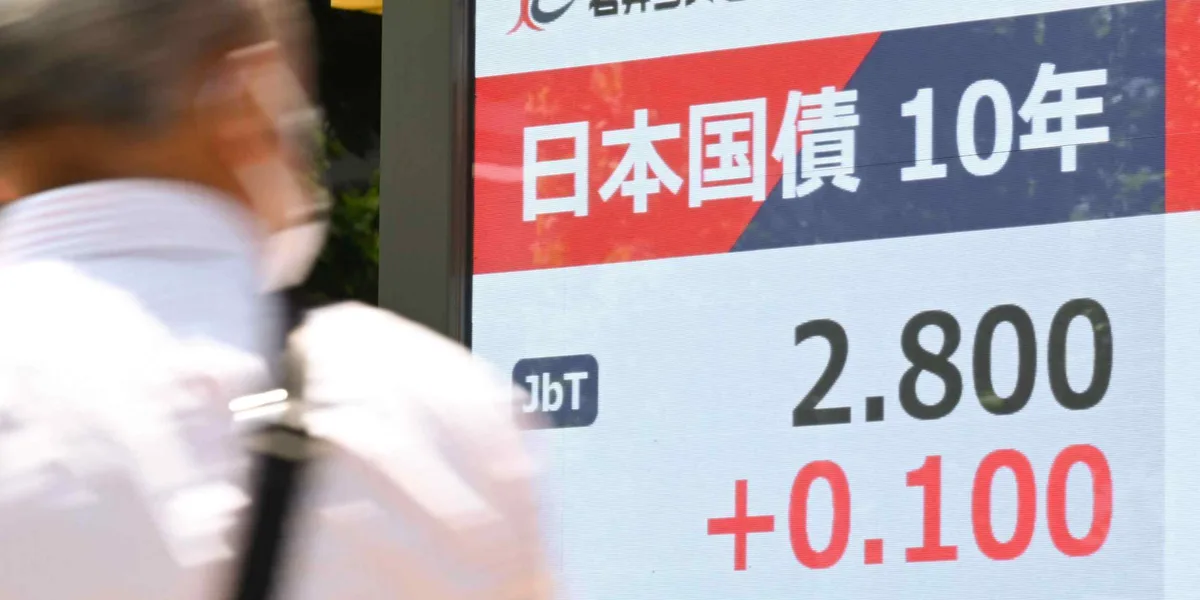
Yields have also risen elsewhere globally. On May 18, Japanese 10-year government bond yields hit 2.8%, their highest in 29 years, while 30-year yields reached a record high since the bond’s inception in 1999 [11, 9, 3, 6]. Other major markets, including Germany and the UK, saw 30-year government bond yields climb to multi-year highs around mid-May 2026 [1, 2, 3, 4, 6].
On May 20, the US Treasury market saw prices rise and yields fall moderately after President Donald Trump said the US is in "final stages" of negotiations with Iran, causing oil prices to decline [10]. Trump stated, "We are in the final stages on the Iran issue and hope to reach an agreement" [10].
Market watchers will closely monitor inflation data and Federal Reserve signals in the coming weeks for further direction on interest rates and Treasury yields.