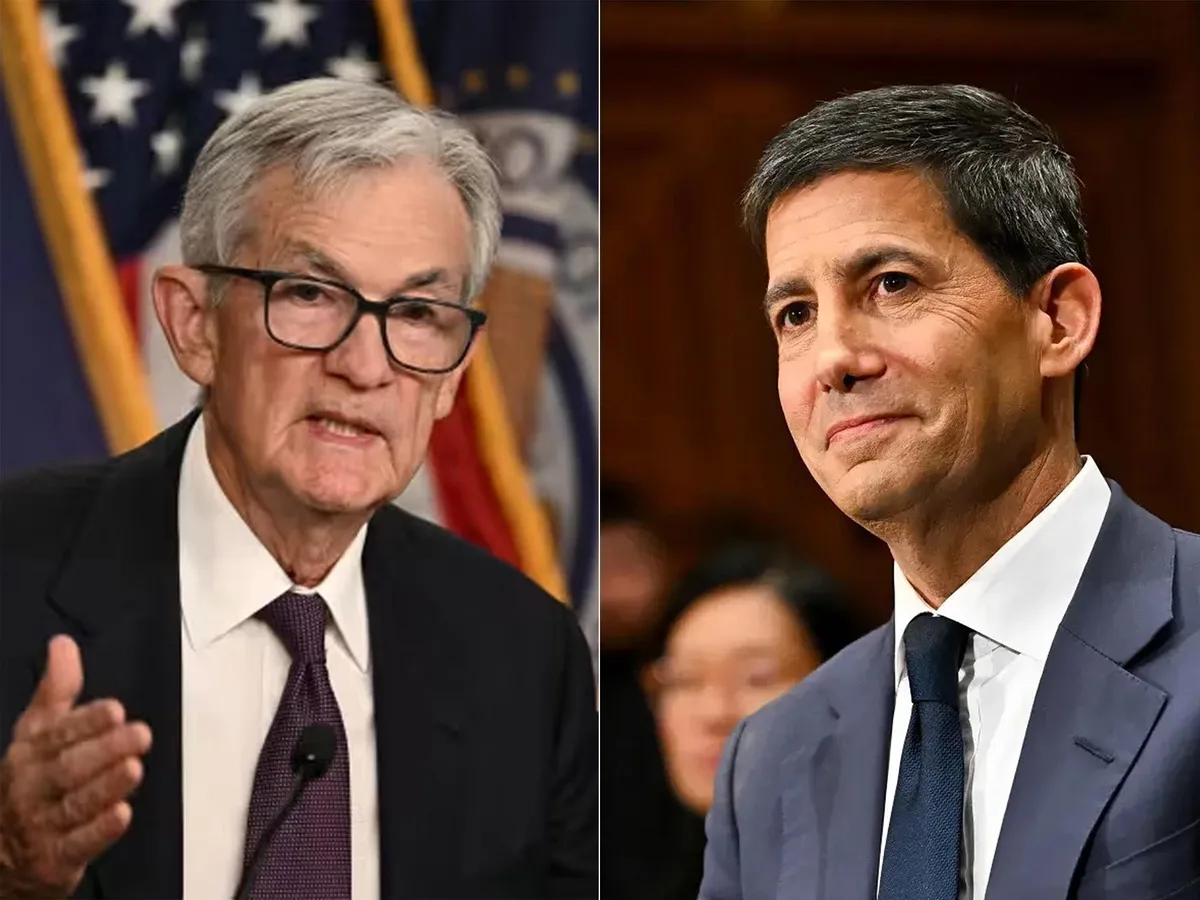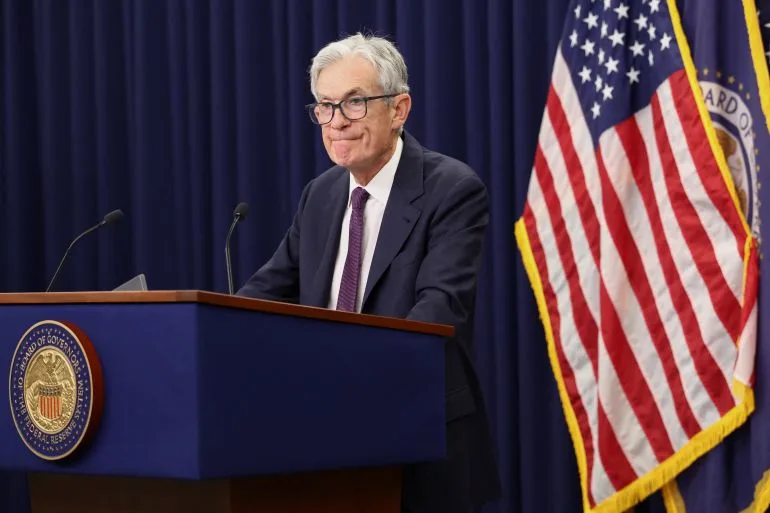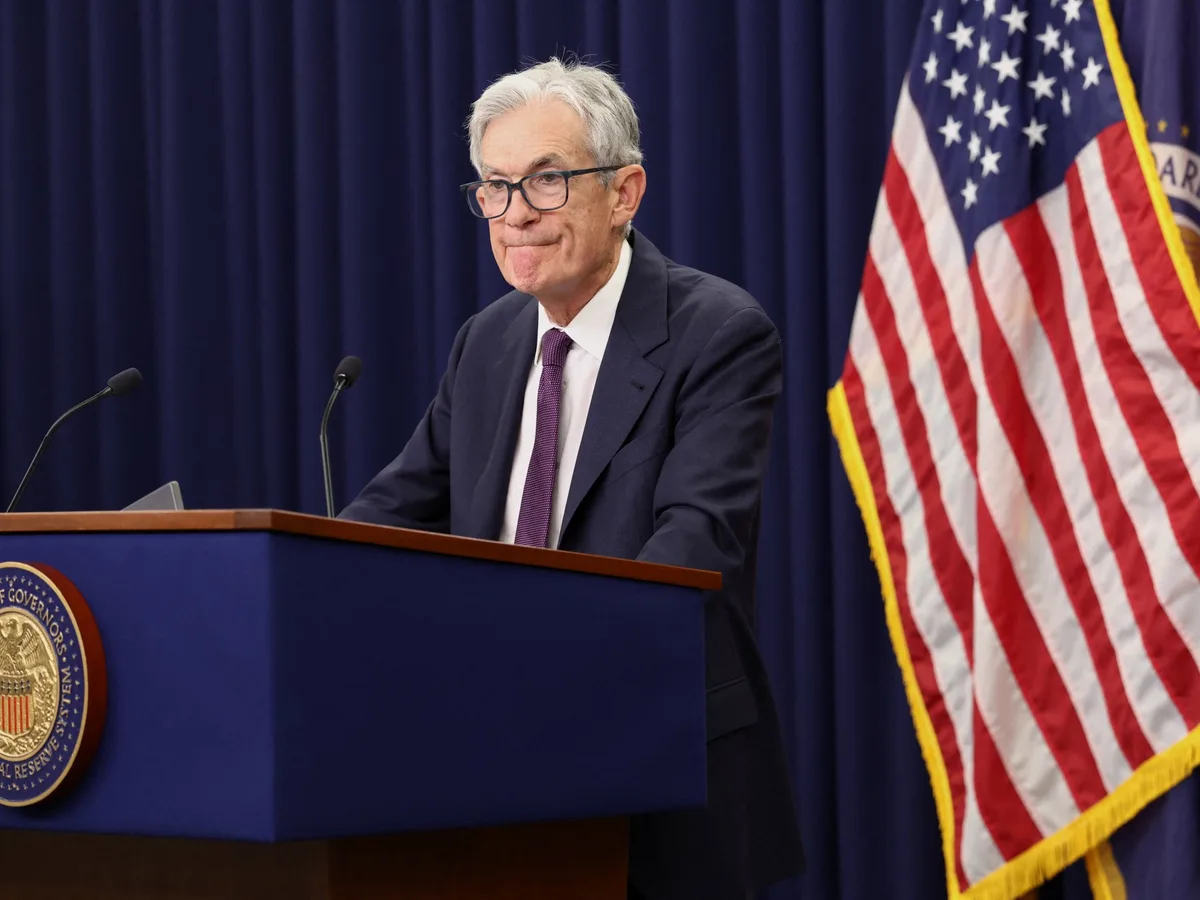
Jerome Powell stepped down as chair of the US Federal Reserve Board of Governors on May 15, 2026, concluding two terms since his 2018 appointment by President Donald Trump [1, 2, 3]. He will remain on the Federal Reserve Board as a member following his departure as chair [1].
Powell was succeeded by Kevin Warsh, a Trump appointee who previously served on the Fed board from 2006 to 2011 [1].
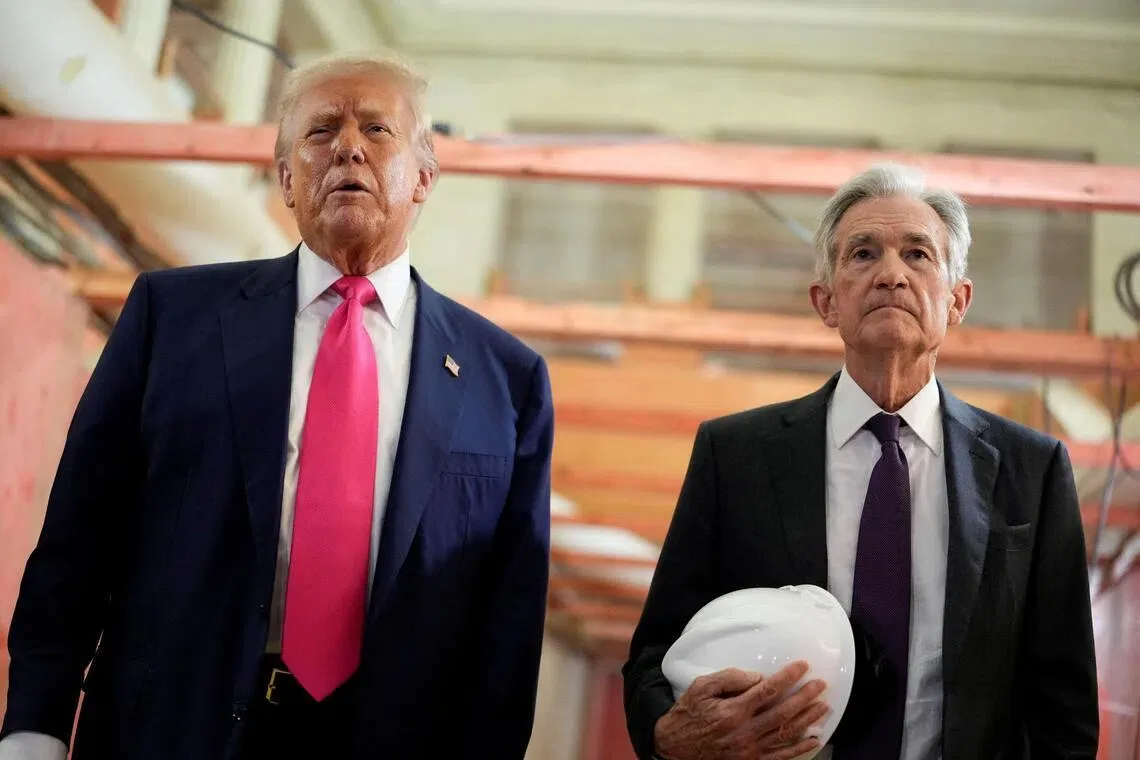
During Powell's tenure, he faced significant political pressure from then-President Trump to cut interest rates aggressively and earlier than the Fed deemed prudent. Powell resisted these demands to uphold the Fed’s independence, only beginning cuts in September 2019 [1]. Babak Hafezi, an international business professor at American University, said Powell's legacy was reclaiming Fed independence and resisting becoming a political tool [1].
Powell led the Fed through the turbulent economic aftermath of the Covid-19 pandemic starting in early 2020. The Federal Reserve implemented aggressive stimulus programs that included lowering the federal funds rate target to 0 to 0.25 percent and expanding the Fed’s balance sheet to over $7 trillion by May 2020 [2]. Powell oversaw large asset purchases including approximately $2 trillion of Treasury securities and $1.5 trillion in mortgage-backed securities by the end of 2020, along with new lending facilities to support corporate bonds, ETFs, and credit flow to businesses [2].
An investigation by government prosecutors examined controversy over headquarters renovations but found no wrongdoing by Powell amid political tensions [1]. Powell said, "None of us has the luxury of choosing our challenges; fate and history provide them for us. Our job is to meet the tests we are presented" [3].
Powell is 73 years old as he steps down from the chair’s role [2]. His leadership is widely credited for maintaining the Fed’s independence through one of the most difficult economic periods in US history [1, 2, 3].
Kevin Warsh officially took over as chair on May 15, 2026 [1, 2, 3].