On May 13, 2026, King Charles III delivered the King's Speech, setting out the government's legislative agenda amid significant political uncertainty in the UK [1, 2]. The speech emphasized protecting the country against external and economic threats, with a focus on national security [1].
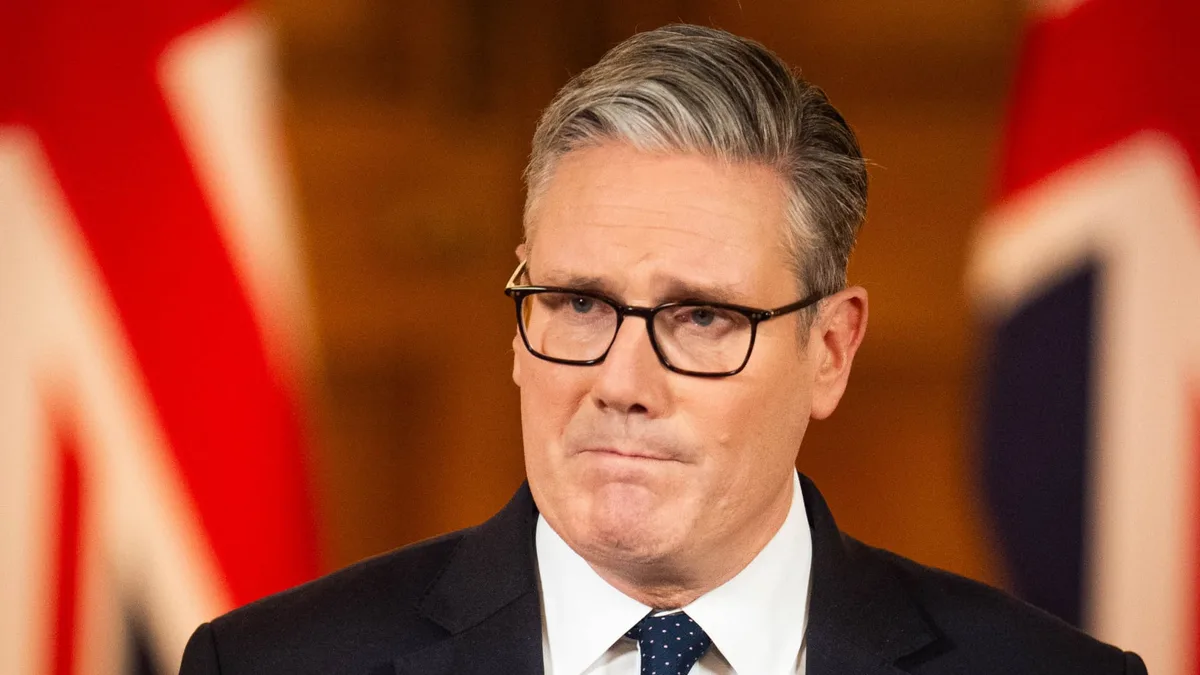
Prime Minister Keir Starmer faced calls for resignation after Labour’s poor local election results. Despite over 80 Labour lawmakers demanding his ousting, Starmer remained in office [2]. Just before the King's Speech, Starmer held a brief 17-minute meeting with Health Secretary Wes Streeting, one of his main leadership rivals, signaling efforts to stabilize his position within the party [2].
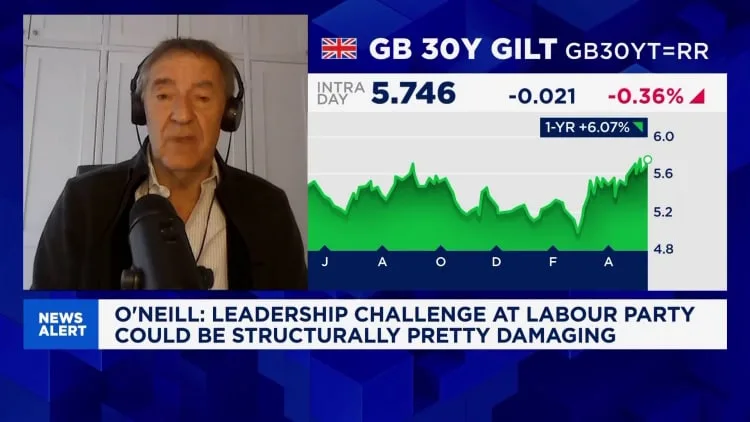
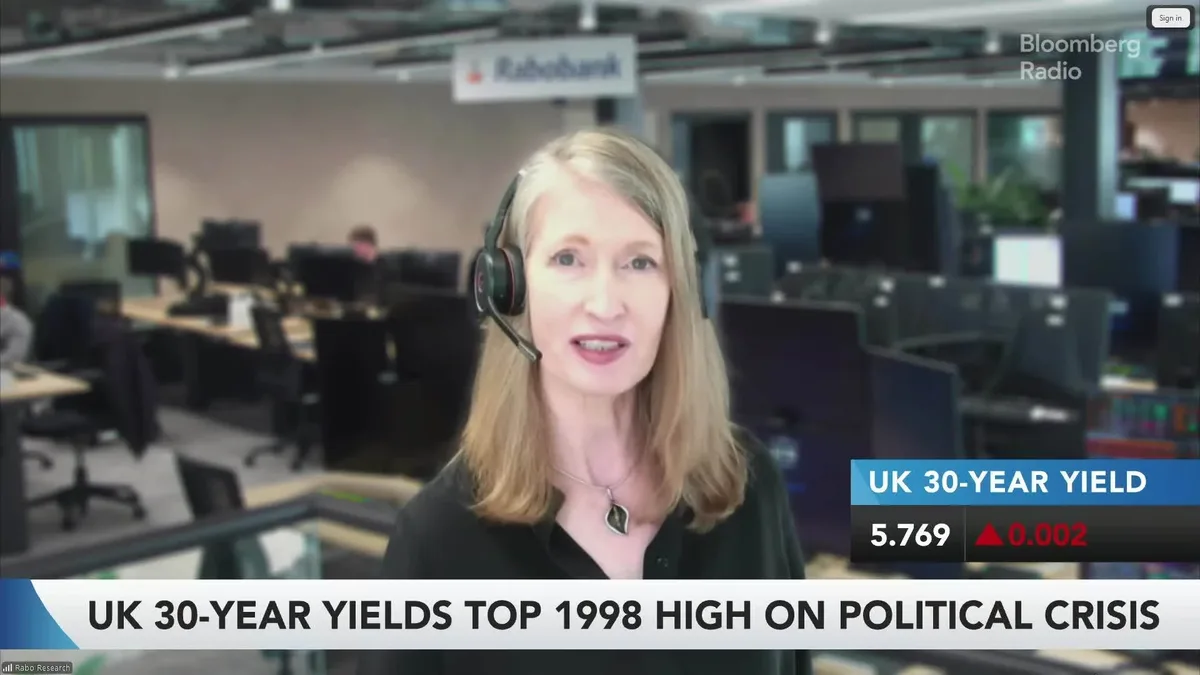
Investor nerves over a possible Starmer resignation and potential fiscal loosening triggered sharp rises in UK gilt yields on May 12, with heavy selling pressure on government bonds [2]. On May 13, as Starmer's leadership position steadied following the King's Speech and his meeting with Streeting, gilt yields fell by 2 to 6 basis points across maturities. The 10-year gilt yield settled around 5.067% [2].
Former UK treasury minister Jim O’Neill criticized voters for their short-term attitude toward political leadership, saying, "It shocks me that voters are treating the leadership of the country like some kind of gameshow where you have a few months of the year and if we don't like you you're out..." He called for more mature political engagement [2].
The government’s next major test will be the parliamentary debates and votes on the legislative agenda outlined in the King's Speech, as the political uncertainty remains under close watch by markets and lawmakers alike.