Leopold Aschenbrenner founded the AI-focused hedge fund Situational Awareness in July 2024 at age 22, raising $100 million by November that year from prominent tech investors [1, 2]. The fund grew rapidly, managing about $45 billion by mid-2026, investing heavily in AI infrastructure stocks like Nebius, Sandisk, Micron, and CoreWeave [1, 3, 2] [4, 3].
The fund used aggressive leverage, reportedly up to 400%, borrowing tens of billions from Wall Street banks including Goldman Sachs, Bank of America, and JPMorgan Chase [1, 2]. It also held short positions against software stocks such as Adobe, betting that AI advances would hurt their business [4, 3].
In July 2026, AI infrastructure stocks plunged 35% to 78%, while software stocks rallied strongly. The dual impact devastated both long and short positions across the fund’s portfolio [4, 3]. Prime brokers issued margin calls, forcing Situational Awareness to liquidate assets under pressure [1, 4, 3].
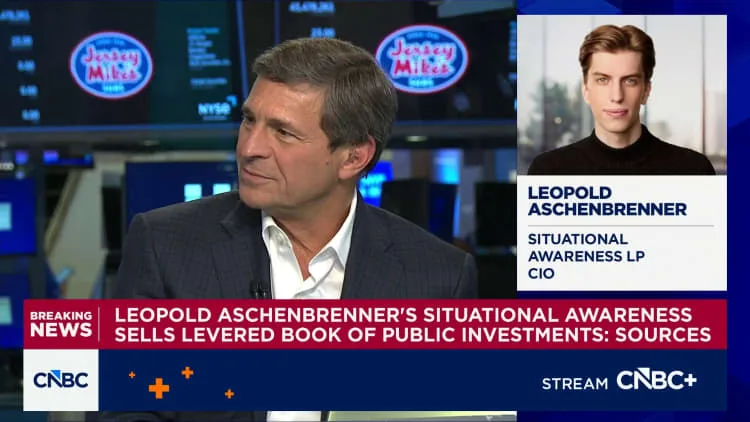
The fund rapidly sold large public stock positions at discounts, including a significant sale to Ken Griffin’s Citadel [3, 2]. By late July, assets under management slumped from roughly $45 billion to about $10 billion, a severe contraction reflecting fire sales by the fund [3, 2].
Industry observers cited over-leverage and risk mismanagement. Bob Lang, chief strategist at Explosive Options, said, "People get over leveraged in this market, and they get seduced by the big returns that some of these companies can deliver. If you're not managing your risk properly, this is the sort of thing that's going to happen to you" [3]. Wall Street coach Jerry Diao noted some saw the collapse as inevitable: "Maybe his views on AI are correct in the long run, but in the public markets, you have to be prepared for the short-term" [2].
Aschenbrenner previously worked at OpenAI and authored essays predicting an AI revolution [1, 4, 2]. However, some investors questioned his experience and long-term strategic planning [1, 2].
Situational Awareness’s filings on March 31, 2026, showed large stakes in AI infrastructure companies including Nebius, Sandisk, CoreWeave, Bloom Energy, SharonAI, and IREN [3]. The rapid collapse of those positions within months triggered the fund’s sharp decline.
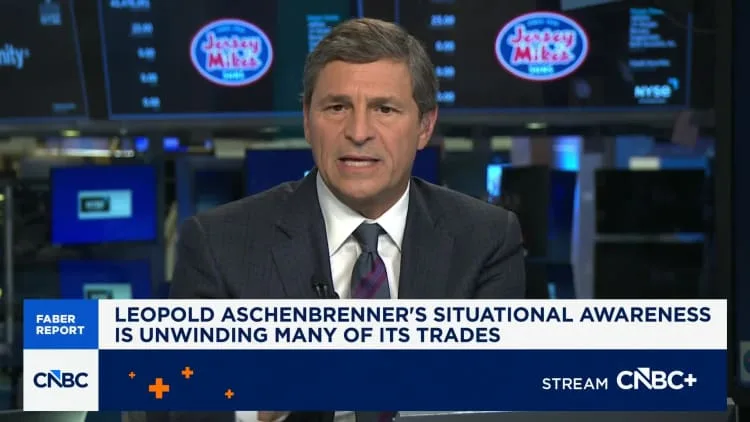
The fund is in the process of unwinding remaining trades as margin pressure continues. The situation remains fluid, though the July fire sales mark a pivotal setback for the hedge fund.