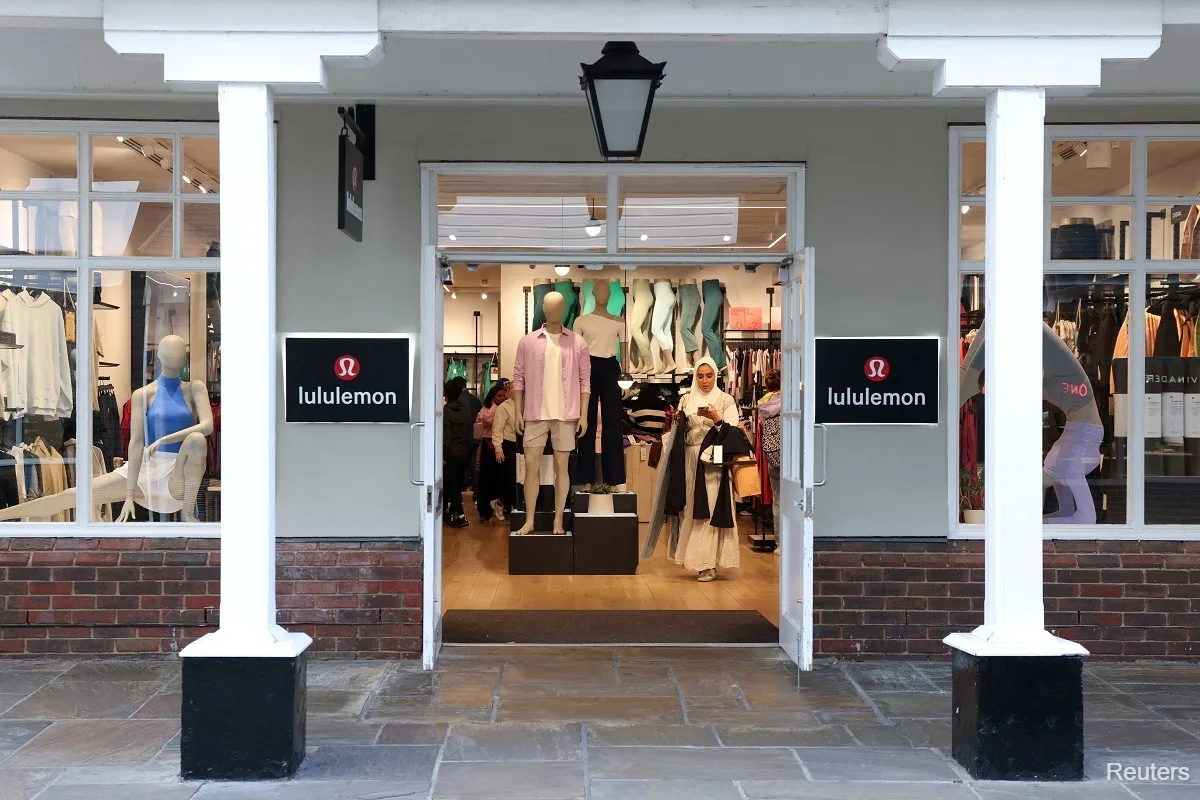
Lululemon and its founder Chip Wilson escalated their proxy battle following the collapse of settlement talks last week. The discussions broke down over Wilson's increasing demands for board appointments and meetings [1].
Wilson, who founded Lululemon in 1998 and left its board in 2015, is pushing to elect three new board nominees at the company’s upcoming annual meeting on June 25 [1, 2, 3]. He holds an 8.97% stake, making him the largest individual shareholder [3].
Lululemon publicly criticized Wilson’s “outdated perspectives” and “troubling conflicts of interest” in a letter to shareholders issued on May 18. The company urged support for its current board and newly appointed CEO Heidi O’Neill, a former Nike executive, ahead of the vote [2, 3].
In its letter, Lululemon said, “Replacing any of lululemon's directors with Mr. Wilson's less qualified nominees would endorse his misguided perspectives, deprive the company of critical skills and expertise, and risk derailing our progress in an especially pivotal time for our business and organization.” The company said such changes could derail its turnaround strategy amid operational challenges [2].
Wilson has criticized Lululemon for losing its “cool” factor, saying it has prioritized efficiency over creative excellence. He said, “Our three nominees all understand what it takes to foster a creative, focused and successful business that delivers superior returns through creative excellence – in design, technology and execution.” [1, 3]
Lululemon faces headwinds including slowing demand in North America, intense competition, tariff pressures, and weak fiscal 2026 guidance. The company’s shares have fallen about 40-43% year to date amid these challenges [2, 3].
The proxy fight will culminate at the June 25 annual shareholder meeting, where Wilson’s three board nominees will be voted on [2, 3].