Lululemon posted a 4% decline in second-quarter revenue to $2.42 billion, missing analyst expectations of $2.46 billion, the company said on September 3 [1, 2, 3]. Comparable store sales fell 9%, marking the first negative growth since the pandemic began [1, 2]. Net income declined to $329.2 million from $370.9 million a year earlier [1, 2, 4].
The athletic apparel maker cut its full-year 2026 revenue forecast to between $10.35 billion and $10.5 billion, down 5%-7% from the prior outlook of $11 billion to $11.15 billion [1, 2, 3, 4]. Earnings per share guidance was also lowered to $9.48 to $9.73 from $10.95 to $11.15, factoring in a $134.5 million tariff refund that helped buoy gross margins despite a 1% drop in gross profit to $1.5 billion [1, 2, 3, 4].
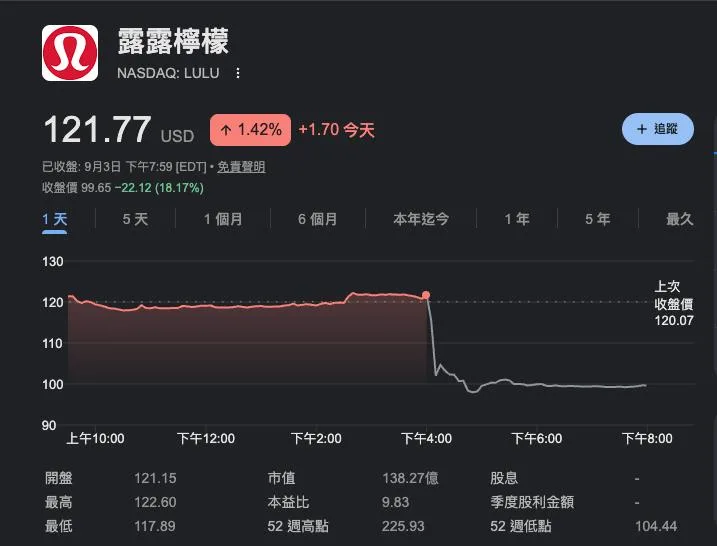
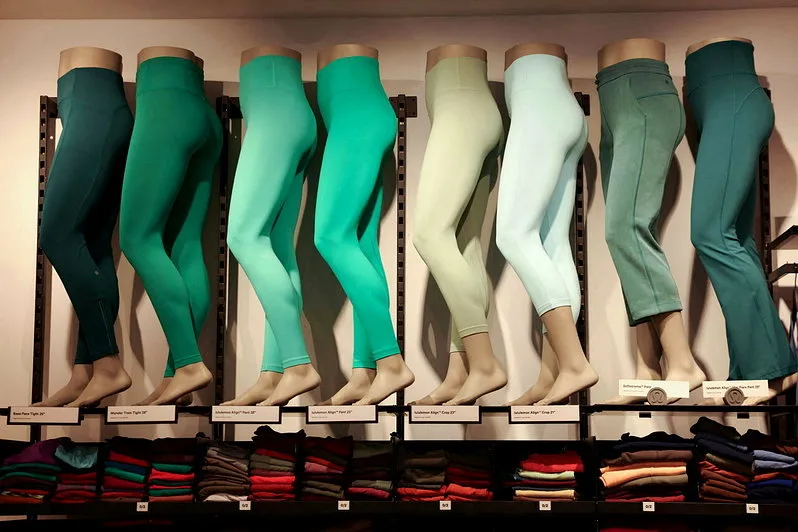
Shares of Lululemon fell 15% to 18% in after-hours trading following the earnings release [1, 5, 2]. The results reflected broad pressure across regions and products. Revenue from the Americas dropped 8%, while China sales declined 2% in constant currency compared to 24% growth last year [5, 2, 4]. Sales of Lululemon’s core leggings product plunged about 20% amid shifting consumer preferences [5, 2, 3, 4]. The company’s athleisure market share in the U.S. shrank 10 percentage points to 43.9% in August 2026, with competitors Alo Yoga and Vuori gaining ground [5, 6].
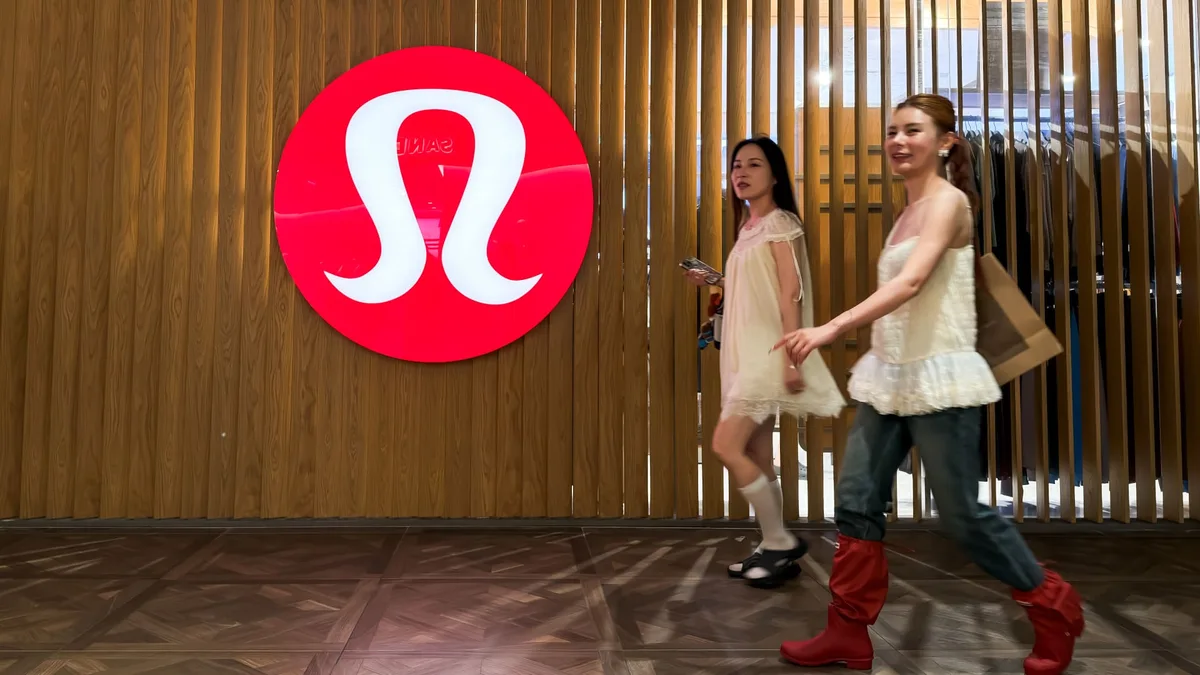
A recent marketing campaign at China’s Great Wall featuring Japanese taiko drums stirred controversy and contributed to weak performance in the region [5, 2]. Meghan Frank, interim co-CEO and CFO, acknowledged, "We expected a better response. We know there is significant work ahead" [5]. Analyst Zak Stambor said, "Improving the product is only half the battle. Lululemon also has to make consumers excited about the brand again" [5], while GlobalData’s Neil Saunders added, "Consumers are no longer willing to pay a premium for mediocre products" [2].
New CEO Heidi O’Neill, formerly at Nike, will assume her role next week and face the challenge of reviving growth and product appeal [1, 5, 2].