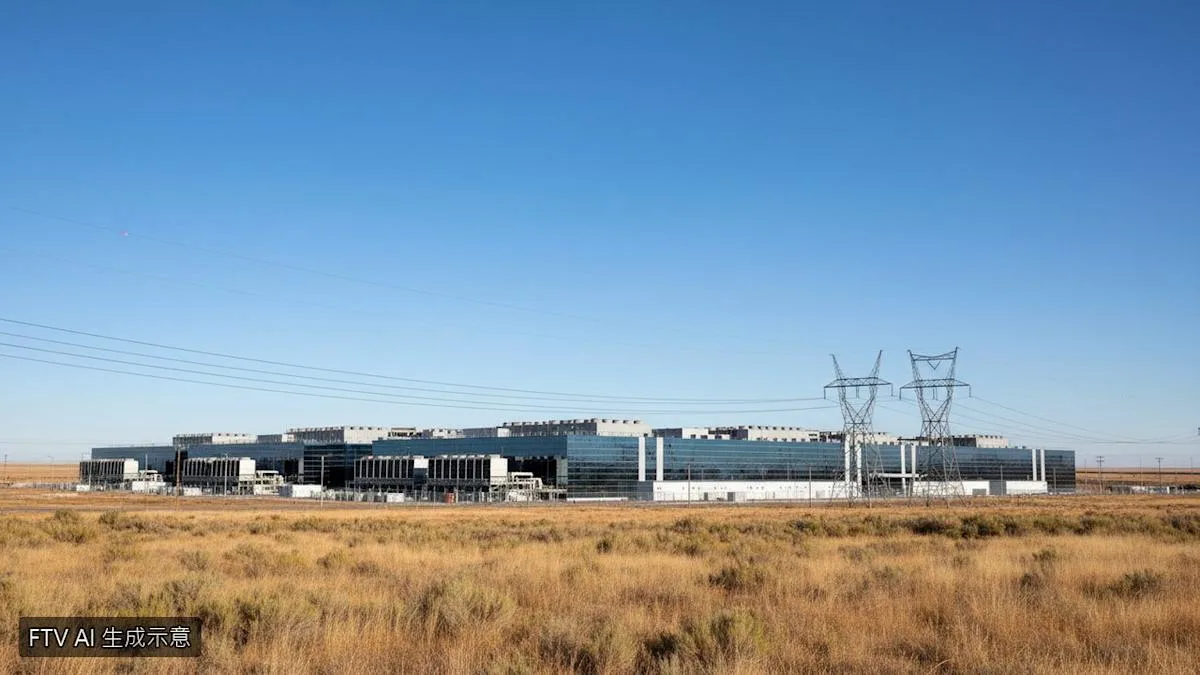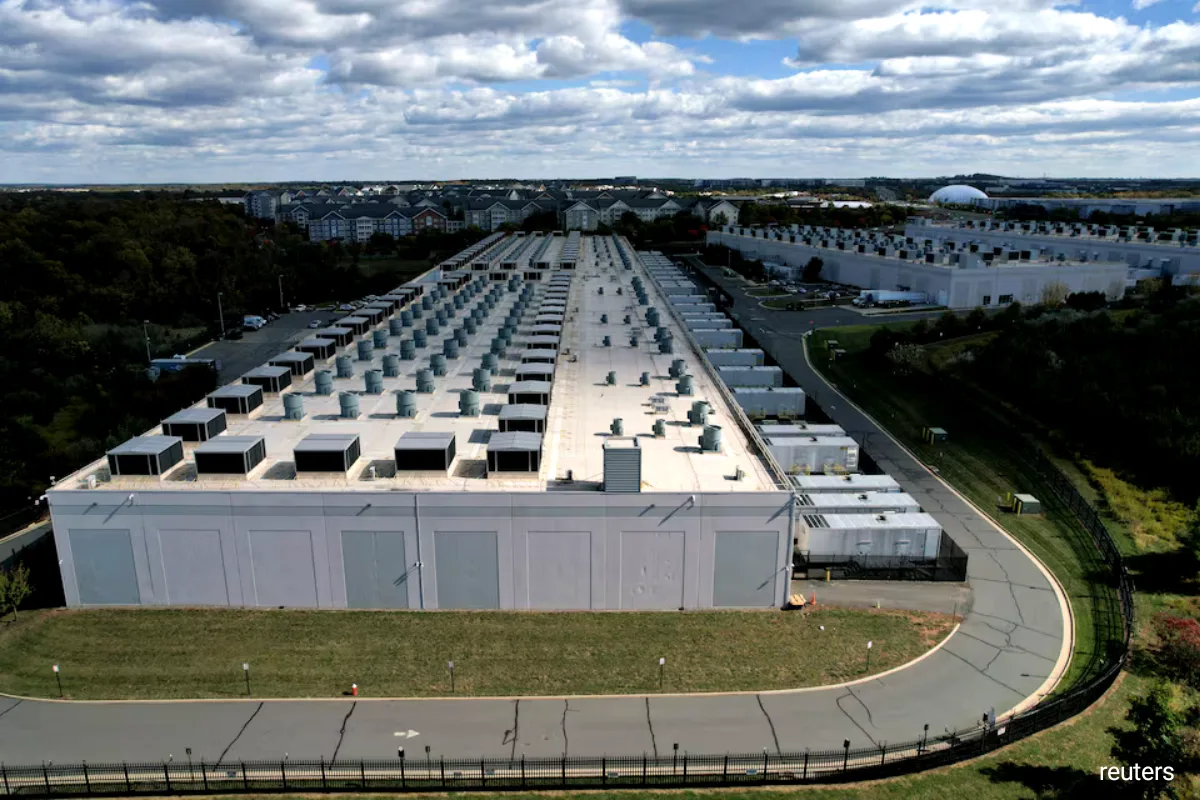
A Reuters/Ipsos poll of 4,531 Americans completed in June 2023 shows just 33% support for the rapid pace of AI data center construction across the US, while 64% oppose it [1, 2].
Locally, opposition is even stronger, with 57% against a data center being built near their community and only 14% expressing acceptance [1, 2]. Americans across political lines share concerns about the rising costs tied to AI infrastructure; 77% worry AI development will push electricity prices higher [1, 2]. One Republican voter from rural Indiana said, "目前的電費已經讓他感到吃力,非常擔心數據中心會讓負擔更重"—highlighting electricity bills as a key source of anxiety amid local opposition [2].
There are currently 710 operating AI data centers in the US, with plans for 1,062 more facilities [1, 2]. These centers consume significant electricity and water resources and require large land areas but generate few long-term jobs [1, 2]. This resource intensity contributes to public skepticism about their benefits.
The Trump administration prioritized quick AI tech development and directed federal agencies to expedite permitting for data centers, citing competition with China as a driver [1, 2]. Despite this federal push, public resistance has led 14 states to consider delaying new data center projects [2]. Support for rapid data center construction skews slightly higher among Republicans compared to Democrats, though overall opposition remains broad [1].
The poll underscores a clear public reluctance to accept rapid AI infrastructure growth near communities. How state and local governments balance public concerns and federal priorities will shape the AI data center landscape in the months ahead.