A June 2026 Pew Research Center survey found 55% of American adults under 30 feel more concerned than excited about artificial intelligence, up sharply from 39% in 2024 and 31% in 2021 [1, 2, 3, 4]. Among all U.S. adults, 52% now share this concern, an increase from about 38% in recent years [1, 2, 3, 4].
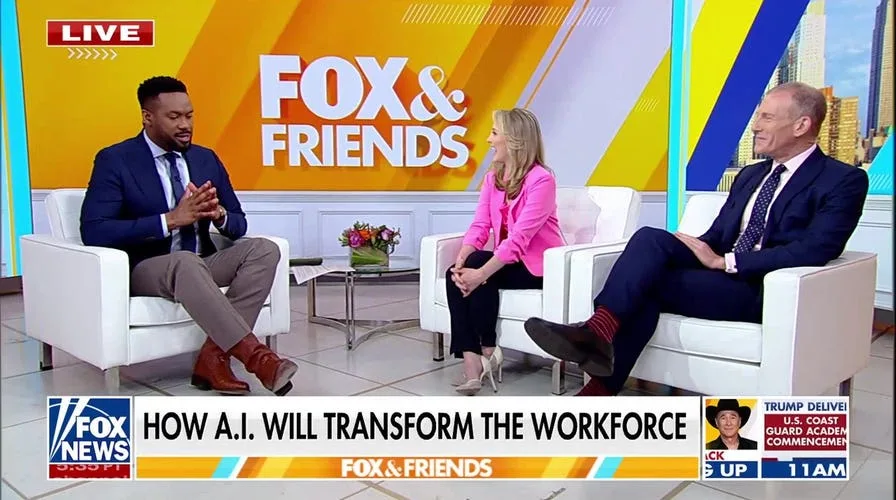
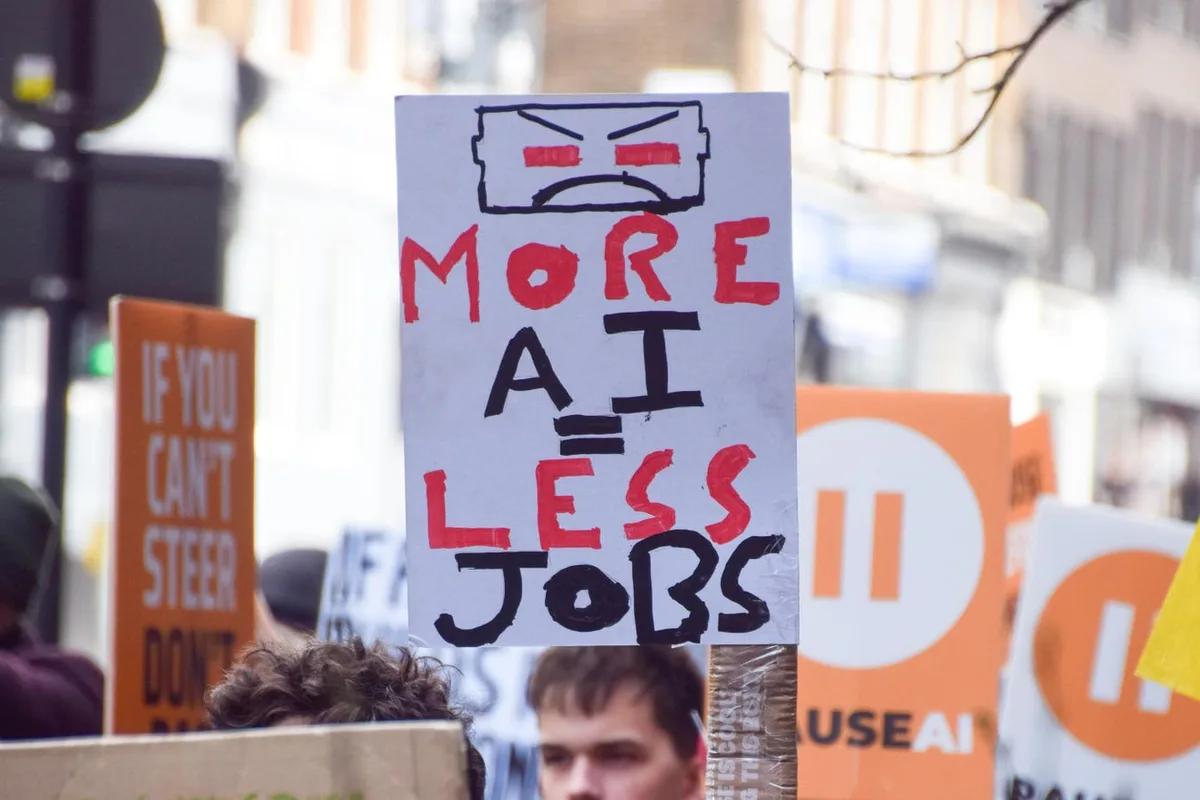
The survey of 3,488 adults revealed only 11% of respondents under 30 say they are more excited than concerned about AI, down from 25% five years ago [1, 2, 3]. Meanwhile, 71% of all adults, including 73% of younger adults, expect AI will lead to fewer jobs over the next 20 years, up from 61% in 2024 [1, 2, 3, 4].
Pew researchers noted young adults worry AI will reduce creativity and harm relationship skills. They said, "They largely think it will make connection and creativity harder to come by. And though most say they use chatbots, they’re just as likely to say these tools hurt their own creativity as help it" [3]. Despite these concerns, young adults remain among the most frequent users of AI chatbot tools [1, 3].
In workplaces, rising AI adoption has triggered increased anxiety about job security, skill gaps, and workload increases [5]. Psychiatrist Dr. Huang Mao-Hsuan said, "AI時代的職場焦慮不能只被視為員工個人的適應問題。企業導入AI時,也應清楚說明目的、提供不同程度的訓練與轉型方向,並重新檢視工作量,而不是將AI省下來的時間全部轉換成更多任務"— urging employers to communicate clearly, train staff, and manage workloads to reduce stress [5]. Common symptoms linked to AI-related workplace anxiety include insomnia, low mood, fatigue, and self-doubt [5].
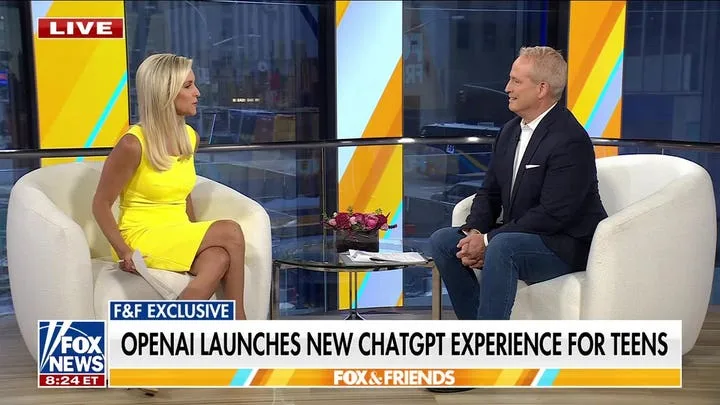
Responding to concerns about AI's impact on younger users, OpenAI announced the upcoming launch of "ChatGPT for Teens," designed as a safer chatbot experience for 13-to-17-year-olds on August 18-19, 2026 [3].
The findings continue a trend: in 2021, only 31% of young adults were more concerned than excited about AI, rising to 39% in 2024 and surging to 55% in 2026 [1, 2, 3, 4]. The next survey update is expected after ongoing AI adoption and product releases later this year.