Bond traders are fully pricing in at least one Federal Reserve interest rate hike before the end of 2026 following the appointment of Kevin Warsh as the new Fed Chair [1, 2, 3]. Interest-rate swaps imply a 25 basis point increase in the Fed's benchmark rate during that period [1, 2, 3]. Market sentiment has shifted sharply this year, with expectations moving from multiple rate cuts earlier in 2026 to a more hawkish outlook featuring rate hikes [1, 2, 3].
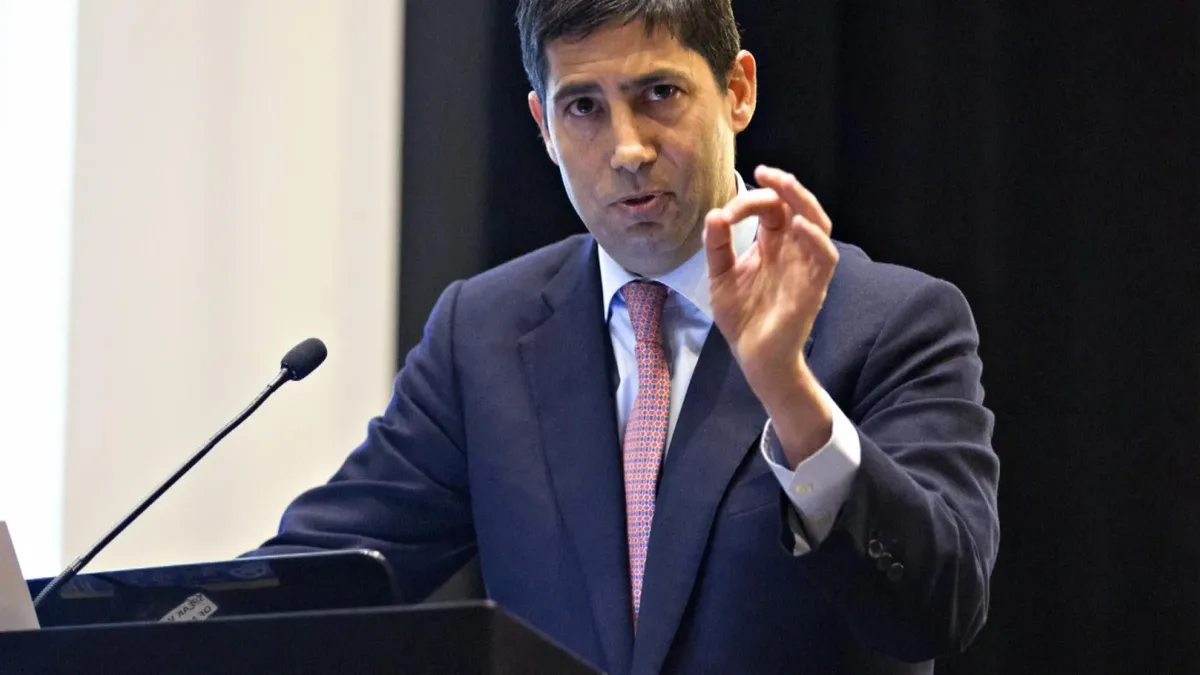
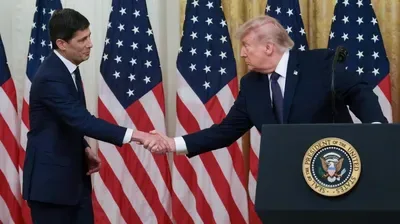
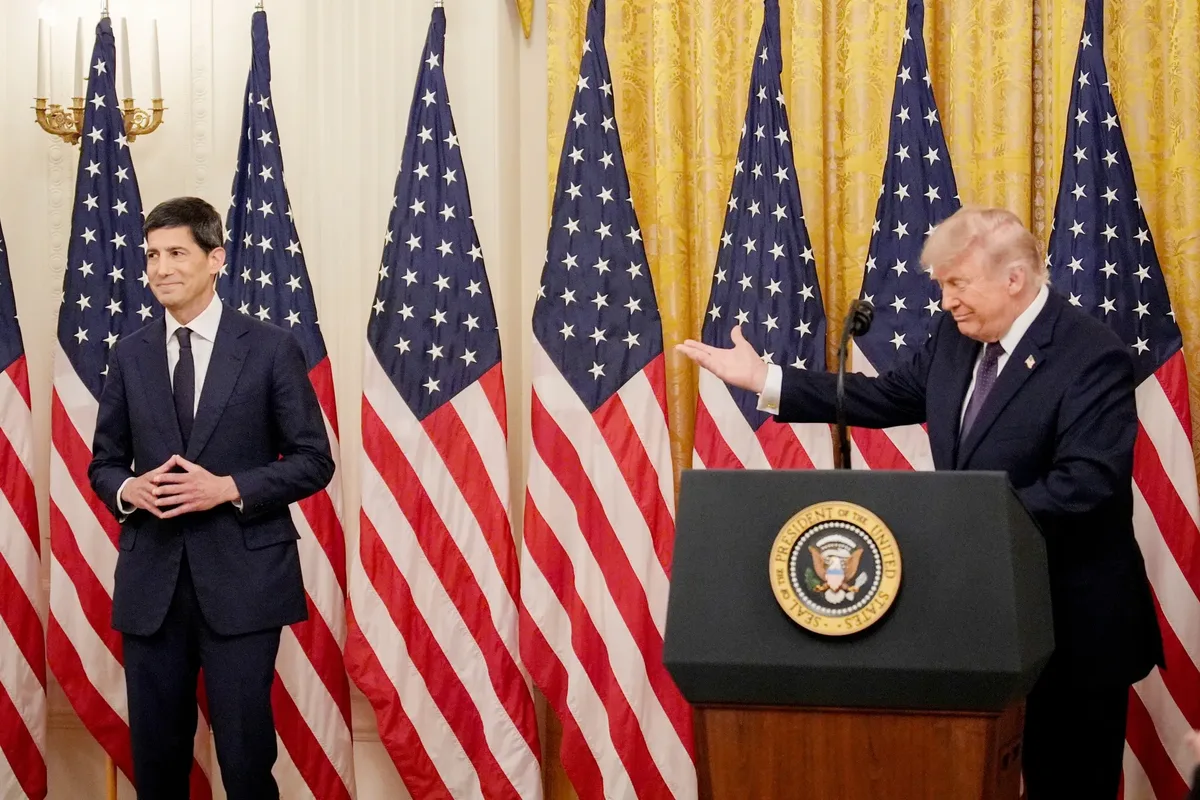
Kevin Warsh was sworn in as Federal Reserve Chair on May 22, 2026, succeeding Jerome Powell [2, 4]. Warsh has been critical of crisis-era Fed policies and pledged to reduce the central bank’s footprint in markets [4]. President Donald Trump administered the oath to Warsh on Thursday [5, 4].
Despite traders pricing in a hike by year-end, the probability of a rate increase at the June 2026 Fed meeting remains low. The CME FedWatch tool indicates a 96.8% chance that the Fed will hold rates steady in June, with only a 3.2% probability of a 25 basis point hike at that meeting [6]. Kalshi traders assign a 43% chance of a rate hike during 2026 and 64% odds by July 2027, reflecting more moderate expectations [5].
Nomura Securities revised its forecast to expect rates to remain unchanged throughout 2026, citing rising inflation and reduced appetite among Fed officials for cuts. Nomura said that while Warsh may want easier policy, doubts remain about his ability to convince the Fed’s majority to cut rates [7, 8].
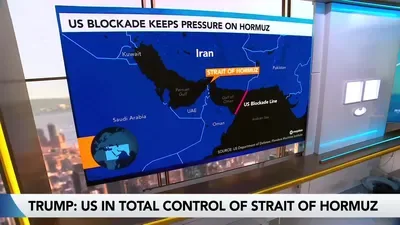
The shift in market outlook toward rate hikes was influenced by the US and Israel’s attack on Iran in late February 2026, which triggered concerns over inflation and geopolitical risks. That event prompted traders to move away from predicting rate cuts to expecting hikes this year [2, 5]. Ed Yardeni of Yardeni Research noted the influence of "Bond Vigilantes" in driving yields higher to pressure the Trump administration toward a resolution on Iran, a view echoed by Wolfe Research strategist Chris Senyek [5].
Fed Governor Christopher Waller said the Fed’s next policy statement should “make it clear that a rate cut is no more likely in the future than a rate increase,” signaling a less accommodative stance [1].
The key near-term event is the Fed's June 2026 meeting, where the market sees a high probability of rates staying steady despite longer-run expectations of a hike before year-end [6]. Warsh’s early leadership and evolving inflation data will shape the Fed’s path for the rest of 2026.