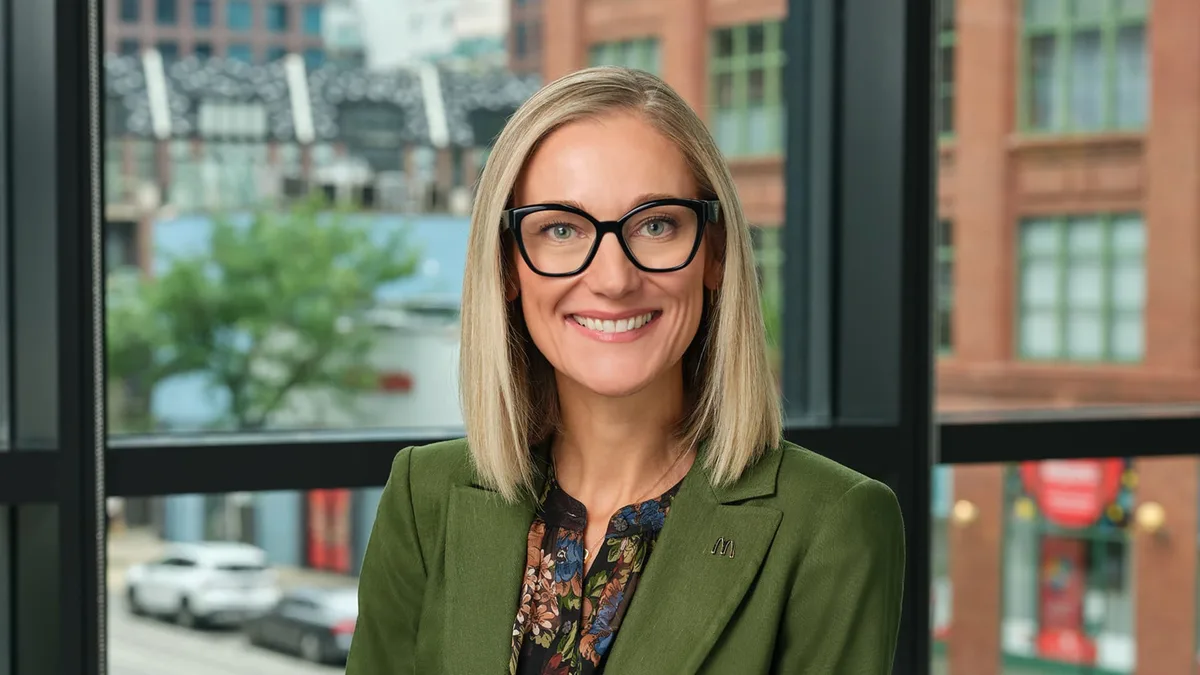
McDonald's appointed Skye Anderson as president of its U.S. business effective August 4, 2026, replacing Joe Erlinger, who held the role for about seven years and will remain as an advisor through early 2027 [1, 2, 3, 4, 5, 6]. Anderson brings more than 26 years of experience at McDonald's, including time as U.S. chief operating officer and president of the U.S. West Zone [2, 3, 4, 5, 6].
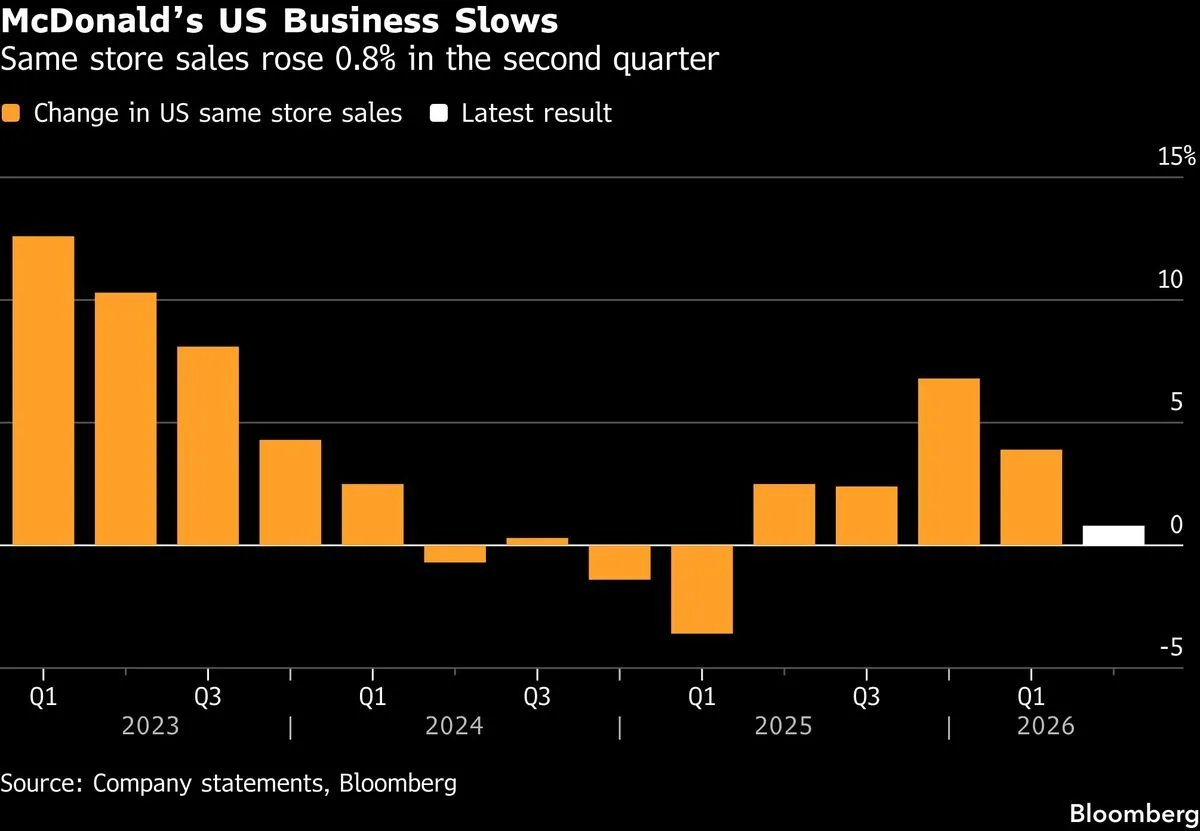
The leadership change comes as McDonald's U.S. same-store sales growth slowed to 0.8% in the second quarter of 2026, marking the slowest growth rate since early 2025 and falling short of analyst expectations [1, 2, 3, 4, 6]. The company also saw a decline in U.S. customer traffic during the quarter despite slight increases in average check size [1, 3, 6]. CEO Chris Kempczinski acknowledged that McDonald's has no underlying strategy problem but admitted the company failed to execute effectively, saying, "We simply didn’t execute at the level we needed to in the second quarter" and citing "too many launches which slowed service and caused customer confusion" [1, 4].
Promotional activity in the U.S. in Q2 2026 contributed to the challenges. McDonald’s ran multiple, complicated promotions that led to "promotion fatigue" among consumers and operational difficulties at restaurants [1, 4, 6]. Less than 65% of U.S. franchises sold value menu items at the recommended price under $3, with some franchisees prioritizing margin over market share, which weakened the impact of promotions, McDonald’s CFO Ian Borden said [1, 6]. The company plans to reallocate marketing budgets toward proven promotions like Extra Value Meals to help improve performance [1, 6].
Kempczinski described Anderson as "a proven change agent who can act with urgency to mobilize our System" and expressed confidence in her leadership, saying, "I look forward to working closely with her and the U.S. leadership team to help accelerate performance and unlock the significant opportunity in front of us" [3].
McDonald’s overall global revenue and net profit grew 4% and 5% respectively in Q2 2026, with the U.S. market accounting for 40% of global sales, illustrating the importance of reversing the slowing growth trend in its largest market [4].
Joe Erlinger will continue to support the transition as an advisor until early 2027, providing continuity as Anderson takes over day-to-day operations [3, 5, 6].