Micron Technology, the largest U.S. maker of computer memory chips, reported fiscal third quarter revenue of approximately $41.46 billion, more than quadrupling from $9.3 billion a year ago [1, 2]. Adjusted earnings per share (EPS) for the quarter reached about $25.11, surpassing analyst expectations [1, 2, 3]. The company's gross margin soared to around 81-85%, marking a significant rise from prior periods [1, 2].
On June 24, Micron issued a fiscal fourth quarter revenue forecast of roughly $50 billion, well above Wall Street estimates near $43.2 billion. Profit per share is expected to be about $31, compared to analyst expectations of $25.31 [4, 5, 2, 3]. Shares surged 13-16% in after-hours and premarket trading following the earnings report and outlook, reversing recent weakness in the technology sector amid concerns about a spending slowdown [6, 5, 2, 7, 3].
The company has signed 16 strategic customer agreements averaging three to five years and valued at $22 billion, which Micron and RBC Capital Markets analysts said provide revenue visibility and price stability [5, 7, 3]. "Our base case is for current upcycle to continue through 2027, and SCAs give us added conviction regarding sustainability," RBC analysts said [7]. Bloomberg Intelligence analyst Jake Silverman said the agreements "should sustain upward pricing revisions through at least 2027, albeit at a decelerating pace" and reduce pricing volatility as supply catches up to demand around 2029 [5].
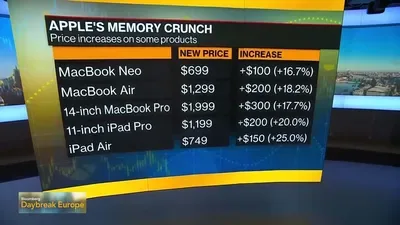
Micron CEO Sanjay Mehrotra said there is "no line of sight" on when supply will meet demand, which he expects to remain tight beyond 2027, with gradual improvements beginning in 2028 [5]. The company cited surging memory chip prices driven by AI infrastructure buildout causing shortages across computers, smartphones and cars [5, 1, 2, 7].
Micron's stock has risen roughly 700%-723% over the past year, pushing its market capitalization above $1 trillion [1, 7]. Chipmakers including Micron rallied strongly following the earnings, reversing recent tech sector weakness over fears of a spending slowdown [8, 9, 5, 2, 3]. On the same day as Micron's report, Qualcomm announced ambitious data center AI chip revenue targets exceeding $15 billion by fiscal 2029 and signed a multiyear deal with Meta [10, 3].
Micron’s fiscal third quarter ended May 28 with record revenue and earnings. The company’s fiscal fourth quarter results are due after the upcoming quarter, continuing to track closely to the bullish forecast.