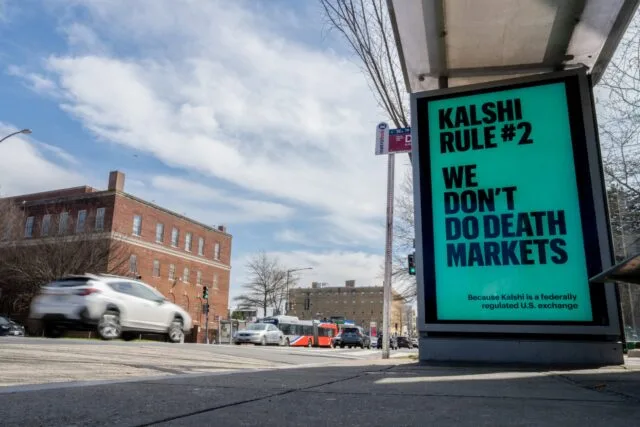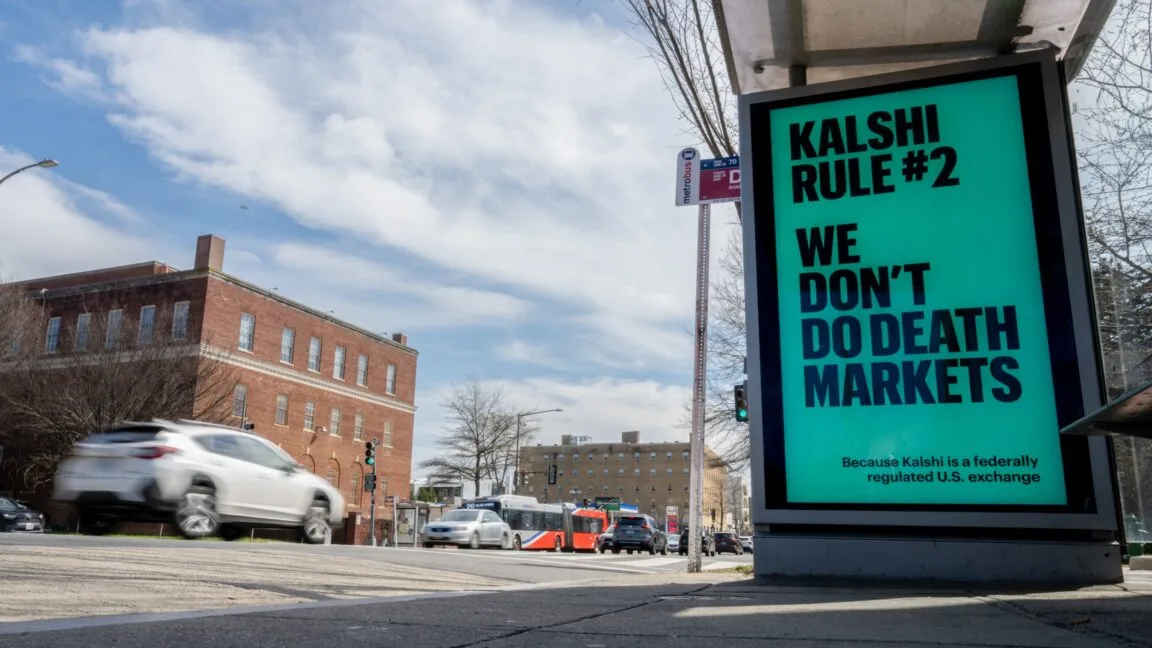
Minnesota Governor Tim Walz signed a law on May 11 banning prediction markets outright, with the ban taking effect August 1, 2026 [1, 2]. The law makes it a felony to create, operate, or advertise prediction markets within the state [1].
The Minnesota Attorney General, Keith Ellison, said he will defend the law in court, citing concerns that prediction markets are addictive and disproportionately harm young people, low-income groups, and vulnerable populations. Ellison stated, "Prediction markets are designed to be addictive and prey especially on young people and low-income folks. They help the ultra-rich get richer and the rest of us get poorer" [1].
The U.S. Commodity Futures Trading Commission (CFTC) filed a lawsuit June 13 to block enforcement of the Minnesota law [1]. CFTC Chairman Michael Selig said, "This Minnesota law turns lawful operators and participants in prediction markets into felons overnight" [1]. The CFTC argued the law conflicts with a federal regulatory regime for prediction markets that Congress established over 50 years ago [1]. The CFTC said Minnesota's law undermines federal authority and would harm farmers who rely on weather-based prediction markets to hedge crop risks [1, 2].
The Minnesota law broadly defines prediction markets to include wagers on elections, weather, sports, terrorism, and pop culture events [1]. There is some indication Minnesota may amend the law to exempt agricultural hedging uses to address concerns raised by the CFTC [2].
The CFTC had earlier filed an amicus brief June 6 in a similar prediction market case in Ohio [2].
The legal battle between Minnesota and the CFTC will play out as the state's felony ban is set to take effect August 1, 2026 [1, 2].