MSCI downgraded Indonesia’s information flow assessment to negative in its annual Global Market Accessibility Review released June 18, 2026, due to transparency issues in the stock market [1, 2, 3]. The rating cut followed concerns over limited disclosure of shareholding structures and signs of coordinated trading behavior that distort price formation [1, 2, 3]. "Accessibility concerns have arisen from ongoing opacity in shareholding structures and indications of coordinated trading behaviour that undermines proper price formation," MSCI said [2].
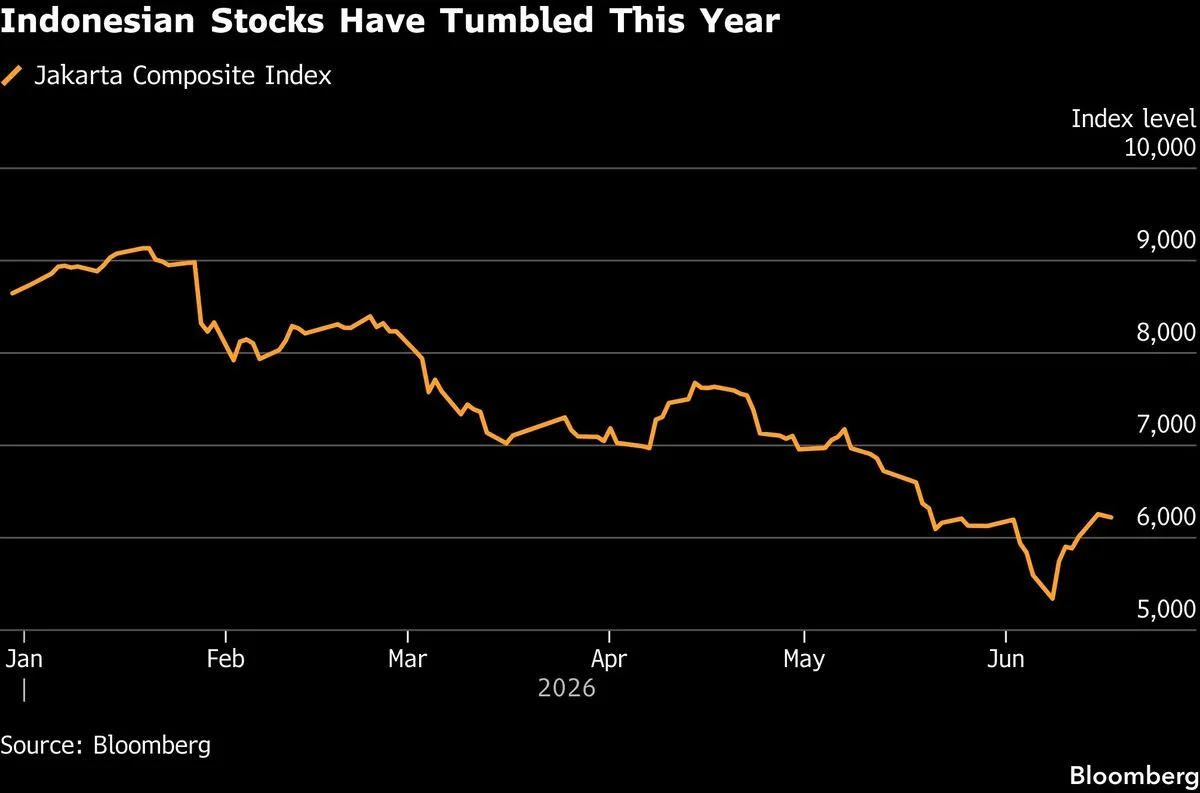
These transparency gaps hinder international institutional investors from accurately assessing the true free float of shares and relying on market prices for portfolio construction and index replication, MSCI added [2, 3]. The market performance reflects these challenges. Indonesia’s stock market has been the worst performer globally in 2026, falling roughly 29-30% year-to-date [2, 3]. Meanwhile, the Indonesian Rupiah has hit record lows against the US dollar amid capital outflows and worries over fiscal health [3].
MSCI first raised concerns about Indonesia’s market investability in January 2026, warning of a possible downgrade from emerging-market status [2, 3]. In May, MSCI removed several Indonesian stocks with highly concentrated ownership after regulators identified nine companies with elevated shareholder concentration [2]. These steps highlighted ongoing issues with shareholder structure transparency.
In response, Indonesia appointed capital markets veteran Jeffrey Hendrik to lead its stock exchange in June 2026, aiming to bolster investor confidence [2]. Around the same time, Bank Indonesia surprised markets by raising interest rates to address economic instability [3].
The downgrade marks a significant challenge for Indonesia’s efforts to attract foreign investment. The government and regulators face heightened pressure to improve transparency and oversight to reverse the negative assessment. MSCI’s findings highlight specific areas where reform is needed to restore international investor trust and market accessibility.
Investor focus will likely turn to actions taken in the coming months to address these concerns. The next reviews of market accessibility by MSCI, expected within the year, will be closely watched for signs of improvement or further deterioration.