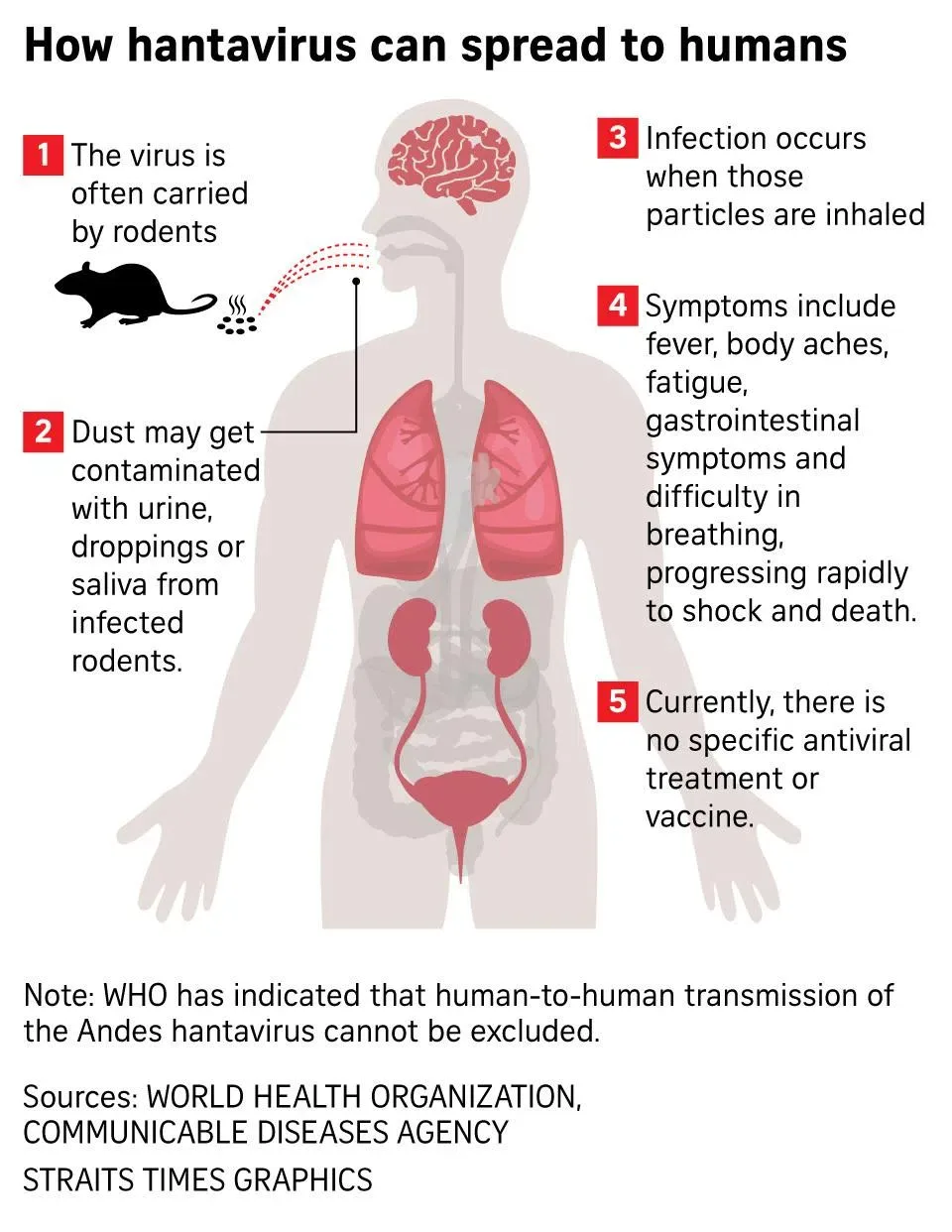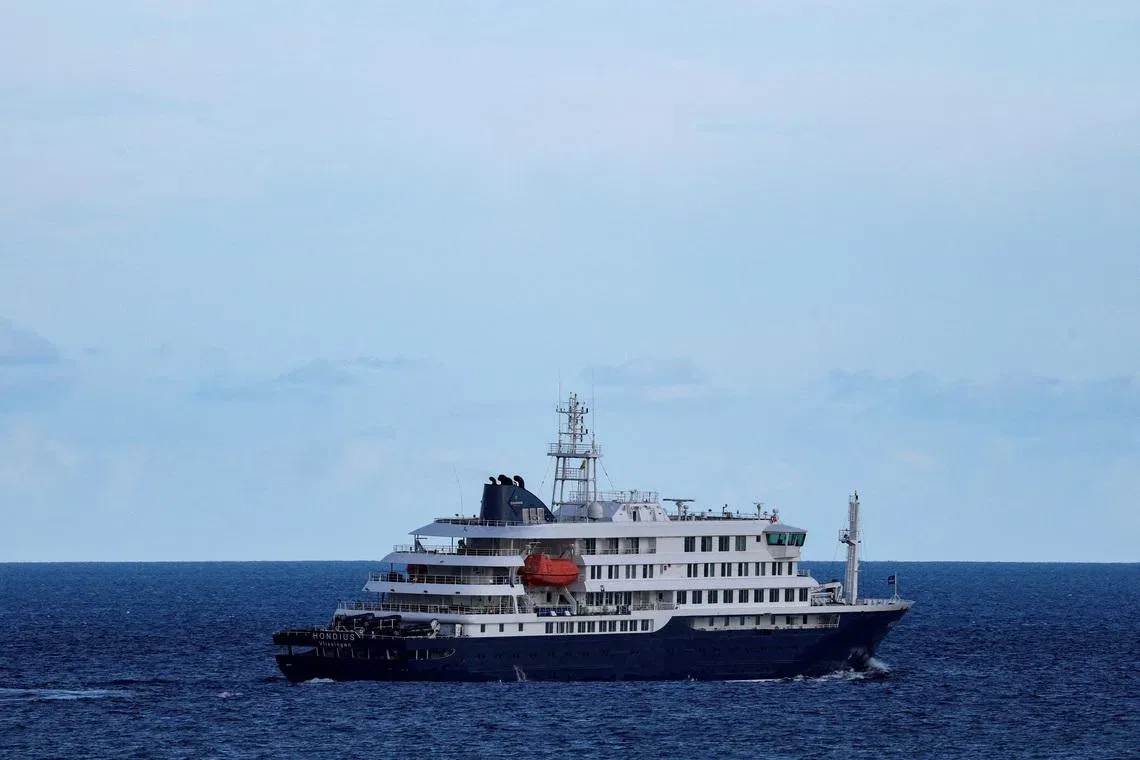
The MV Hondius cruise ship experienced an outbreak of hantavirus involving the Andes virus strain, which is known for limited person-to-person transmission, unlike other hantaviruses spread by wild rodents [1, 2, 3, 4, 5]. The outbreak has caused at least 11 confirmed cases globally, including 3 deaths [6, 4, 5].
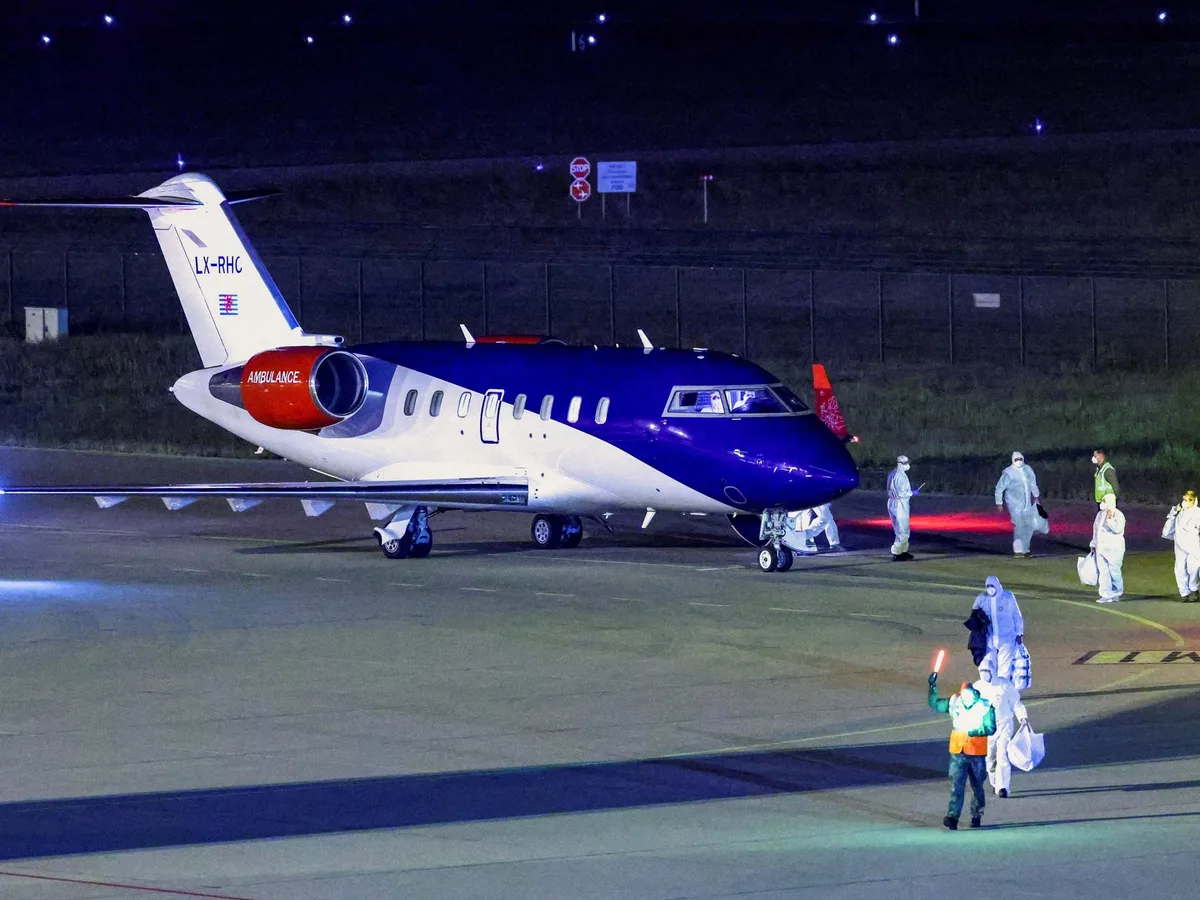
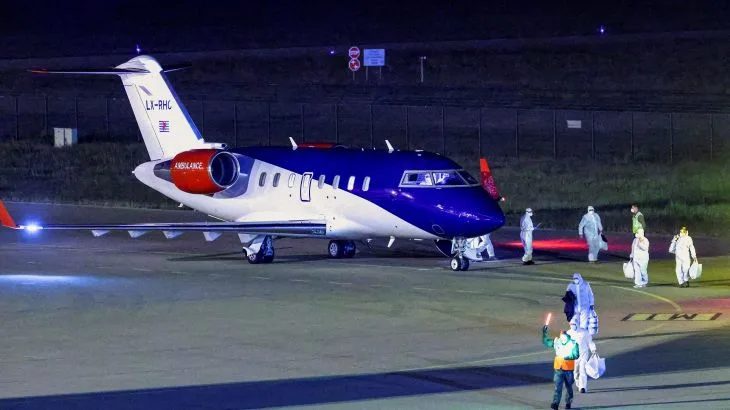
US health officials are monitoring 41 individuals for exposure to hantavirus as of May 14. Among them are 18 passengers evacuated from the cruise ship and quarantined in Nebraska and Georgia. Sixteen of those were quarantined at the University of Nebraska Medical Center, and two are being observed at Emory University Hospital in Atlanta [1, 2, 7, 3, 6, 5]. These passengers were flown back on May 11 [1, 2, 3, 5].
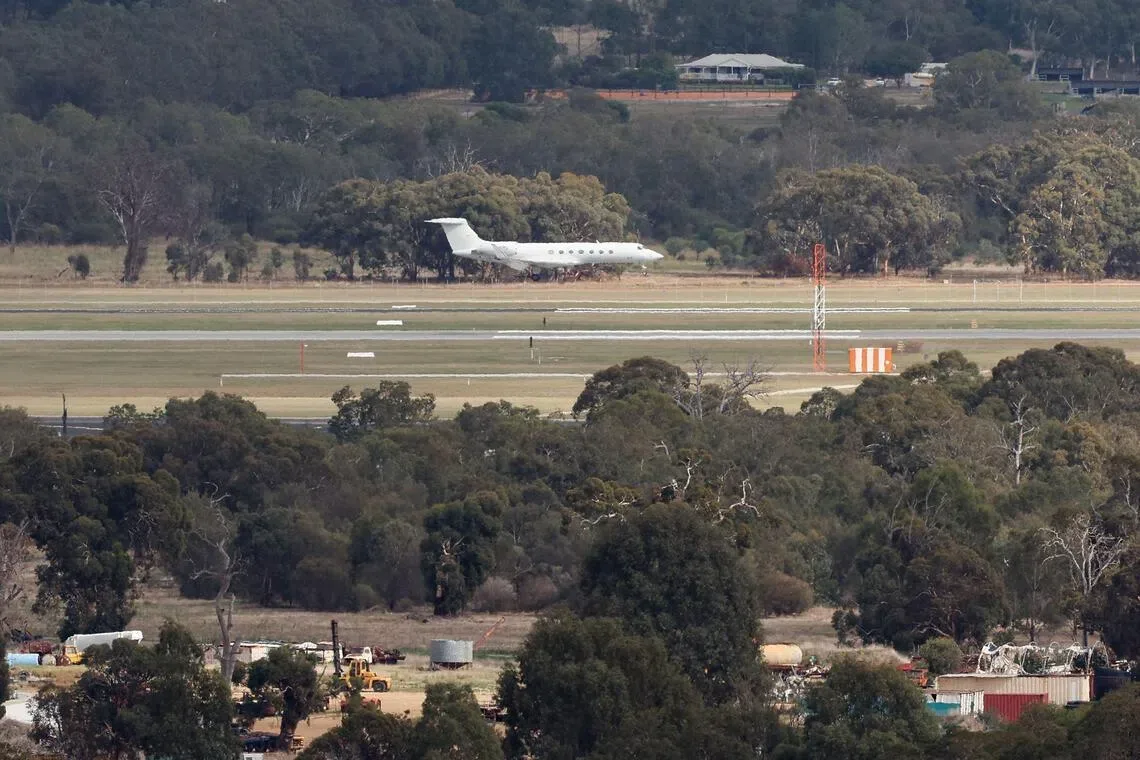
Six other passengers landed in Australia on May 15 and entered a strict three-week quarantine at a facility in Perth. They include four Australians, one Briton living in Australia, and one New Zealander. Australia's Health Minister Mark Butler said, "They are on their way back and they will be subject to one of the strongest quarantine arrangements you will see anywhere in the world" [8, 9, 3].
The incubation period for hantavirus infection can be up to 42 days, and monitoring periods reflect the need for prolonged observation. CDC incident manager David Fitter said, "Most people under monitoring are considered high-risk exposures, and CDC recommends that everyone under monitoring stay at home and avoid being around people during their 42 day monitoring period" [7, 8, 5].
One US passenger initially reported as testing positive for hantavirus has since tested negative in follow-up tests, and no confirmed positive cases have been reported in the US according to recent updates [10, 11, 12]. One American patient who tested positive and was treated in Nebraska is a doctor from Oregon who cared for fellow passengers on the ship [11]. One symptomatic patient remains under observation in Atlanta but has tested negative [1, 11, 12].
Globally, over 90 passengers and crew have been evacuated and quarantined in about 20 countries following potential exposure [3, 4, 11]. Dutch hospital staff faced a six-week quarantine after mishandling samples from a hantavirus patient [4, 11].
The cruise departed Argentina on April 1 and disembarked some passengers at St. Helena on April 24. Hantavirus cases were confirmed among passengers in early May [7, 8, 3, 4]. At least one Spanish passenger tested positive and shows mild respiratory symptoms [4, 11].
CDC has mobilized over 100 staff members for outbreak response and continues active monitoring of exposed individuals. Dr. David Fitter of CDC reassured the public: "To the American public, please know we are here to protect your health. Based on current information, the risk to the general population remains low" [1, 2, 12]. The U.S. Department of Health and Human Services and CDC officials remain confident in their response [3, 4, 10, 11, 12].
The CDC has not activated federal quarantine orders for all exposed passengers but recommends voluntary quarantine based on risk assessment [7, 5]. The monitoring period for exposed individuals, including passengers, will continue as the incubation period may last up to 42 days [7, 8, 5].