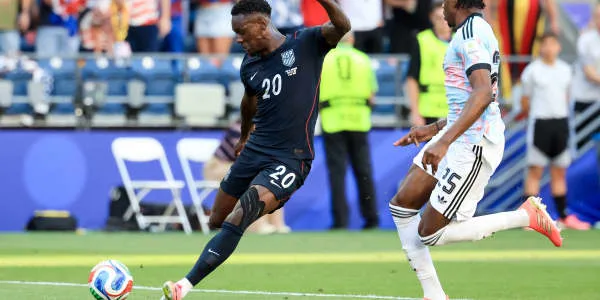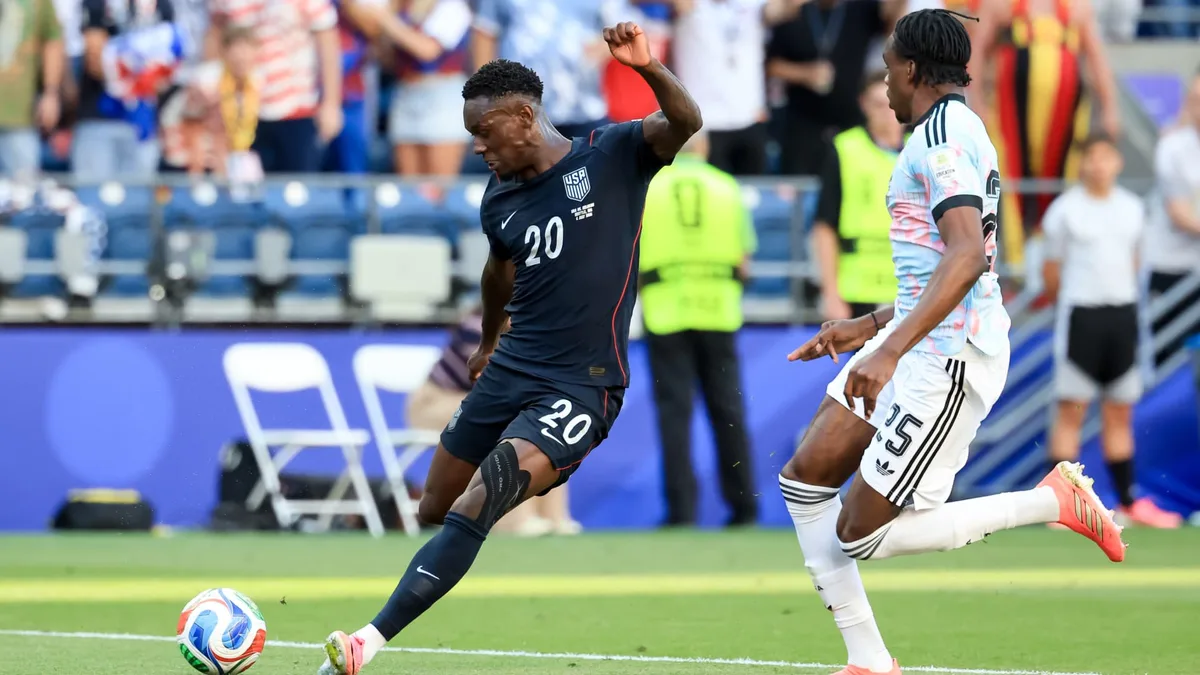
Netflix, Disney, YouTube, Amazon, Apple, and Fox have all expressed interest in acquiring U.S. broadcast rights for the 2030 and 2034 FIFA World Cups, aiming to challenge Fox’s hold on these prestigious events [1, 2, 3, 4].
FIFA plans to package the English- and Spanish-language U.S. rights together as a single sale, a change from the separate deals made for past tournaments including the 2026 World Cup [1, 2, 3, 4]. Media companies are budgeting between $1.5 billion and $2 billion for each combined broadcast rights package, reflecting a sharp increase over 2026 payments when Fox paid $485 million for English-language rights and NBCUniversal’s Telemundo paid $600 million for Spanish-language rights [1, 2, 3, 4].
Negotiations between FIFA and potential media partners are anticipated to begin within roughly three months from July 2026, signaling that formal bids may soon materialize [1, 2, 3, 4]. Disney could seek to air some games on its ESPN and ABC networks, which FIFA may find attractive given Fox’s strong ratings during the 2026 tournament [1].
High rights fees present a challenge for some traditional broadcasters. NBCUniversal, for example, may face financial constraints following recent corporate splits, which could limit its ability to compete effectively [3, 4]. Meanwhile, streaming platforms view World Cup rights as strategic assets to boost subscriber numbers despite concerns from Wall Street about immediate returns [3, 4].
FIFA will not offer the global World Cup rights as single packages because many countries require over-the-air broadcast availability, but the U.S. market remains heavily sought after by media companies aiming to serve both English- and Spanish-speaking audiences [1].