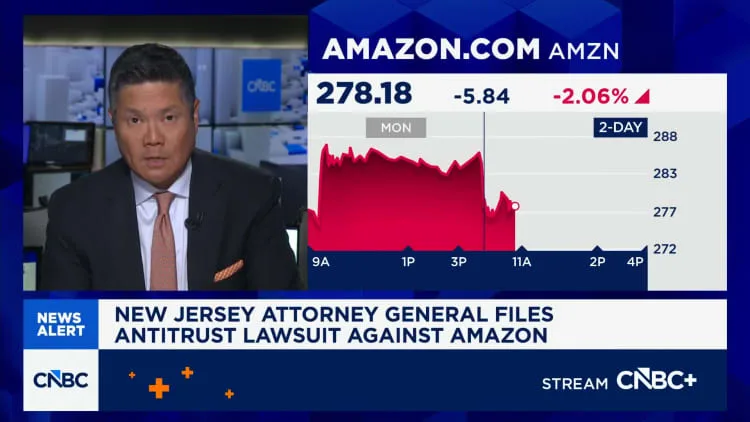
New Jersey Attorney General Jennifer Davenport filed a lawsuit against Amazon on August 4, 2026, accusing the company of abusing its buyer power over third-party delivery contractors to stifle competition and harm workers [1, 2, 3]. The lawsuit claims Amazon uses its dominant position to prevent delivery drivers from unionizing, restricts contractors from hiring drivers from other companies, and limits competition for labor, leading to lower wages and harsher working conditions [1, 3].
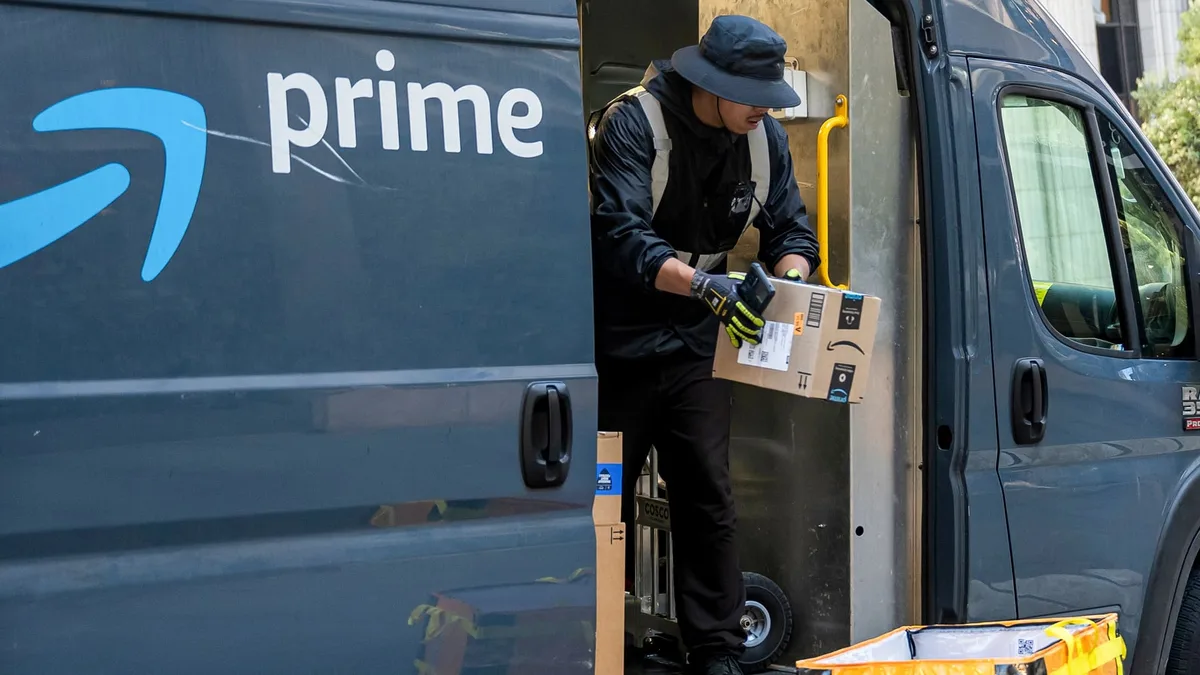
Amazon’s Delivery Service Partner (DSP) program, launched in 2018, relies on thousands of small contractors to handle package deliveries. This system reduces Amazon’s dependence on major couriers like UPS and FedEx [1, 3]. The complaint asserts Amazon holds a monopsony in the delivery driver labor market, meaning it acts as a dominant buyer controlling key employment terms [1, 3, 2].
The lawsuit details Amazon’s control over many aspects of DSP operations, including mandating uniforms and branded vans, assigning delivery routes, regulating hiring practices, and monitoring drivers with cameras and artificial intelligence technology [1, 3]. According to the suit, DSP drivers earn significantly less than employees at USPS, UPS, and FedEx, while facing poor working conditions [3].
Amazon denies the allegations, arguing that DSP operators are independent business owners who control their own hiring and operational decisions. The company called the complaint “lacking factual basis” [3, 2]. The dispute centers on Amazon’s level of control over DSP businesses, with the state saying Amazon exerts significant operational authority while Amazon insists DSPs run independently [s1,s3; s3,s2].
Separately, legislative efforts in New York City are considering requirements for Amazon to directly employ delivery drivers instead of using contractors. Amazon has warned it may relocate delivery operations if such laws pass [1].
The case will proceed through New Jersey’s court system, with further hearings and filings expected in the coming months.