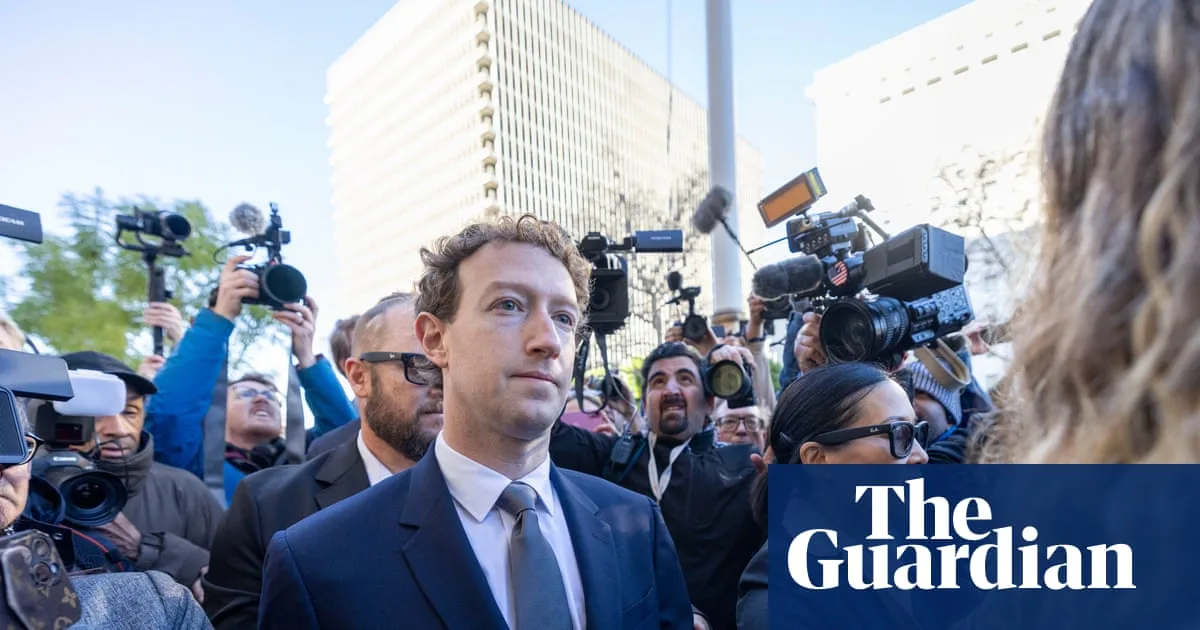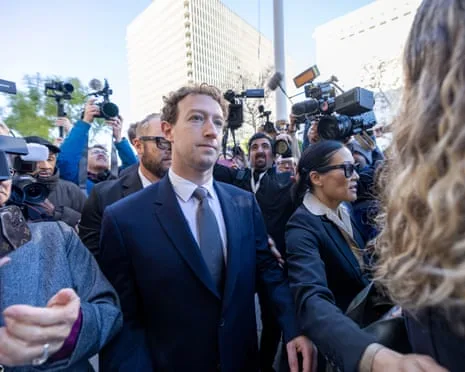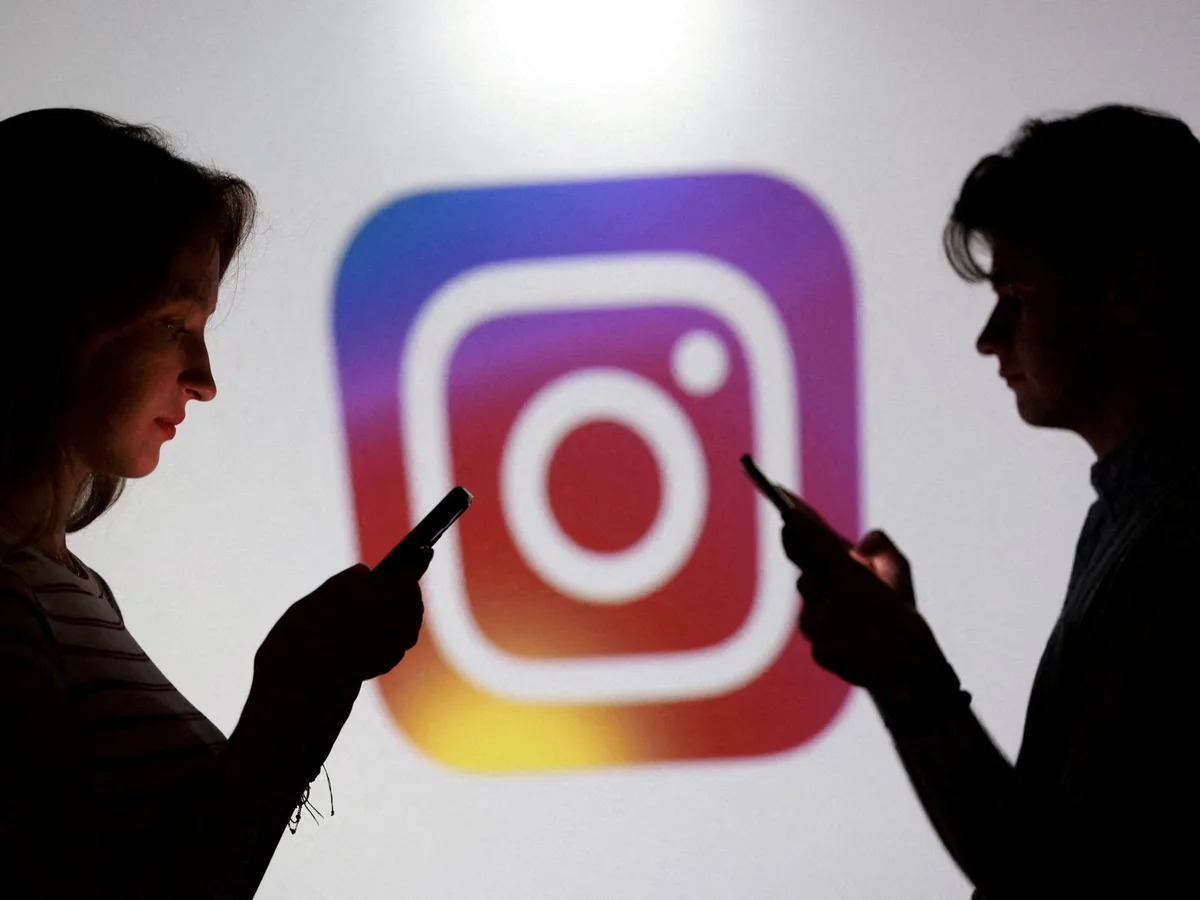
A New Mexico state judge ordered Meta to pay an additional $567 million for harming children's mental health through its social media platforms on August 6, 2026. This comes after a March jury verdict fined Meta $375 million in the same case, bringing total penalties to $942 million [1, 2, 3, 4].
Judge Bryan Biedscheid declared Meta's platforms a "public nuisance" akin to harmful pollution. He said, "Just as noxious pollution produced by the factory can harm the common public right to reasonably clean air, the harmful effects of Meta’s platforms on children do not stay contained by its platforms. Instead, (they) migrate to the internet as a whole and, perhaps most concerning, to the real world and create a common, societal burden" on children, families, schools, hospitals, and law enforcement [5].
The judge required Meta to place the $567 million fine into a mental health fund dedicated to treating and preventing harm to youth over five years. The court also mandated several platform changes in New Mexico. These include deleting accounts for users under 13, setting teen accounts private by default, restricting push notifications for users under 18 during school hours and overnight, and launching educational campaigns about platform risks and safety [2, 6, 5, 7, 8].
This case began in 2023 when New Mexico Attorney General Raul Torrez sued Meta for failing to protect children from online dangers and child sexual exploitation. Torrez said, "This case has always been about protecting children, standing up for families, and making sure that one of the world's largest technology companies cannot profit from practices that endanger young people without consequence" [3, 4, 9, 7].
Meta said it will appeal both the $567 million ruling and the previous $375 million verdict. A Meta spokesperson stated, "We work hard to keep people safe on our platforms and have been transparent about the challenges of identifying and removing bad actors and harmful content. We remain confident in our record of protecting teens online" [2].
The ruling marks the first time a US state court found a social media company liable under public nuisance law for harms to children [4, 9]. The court’s next steps include monitoring Meta’s compliance with the safety measures and the use of funds as outlined in the judgment.