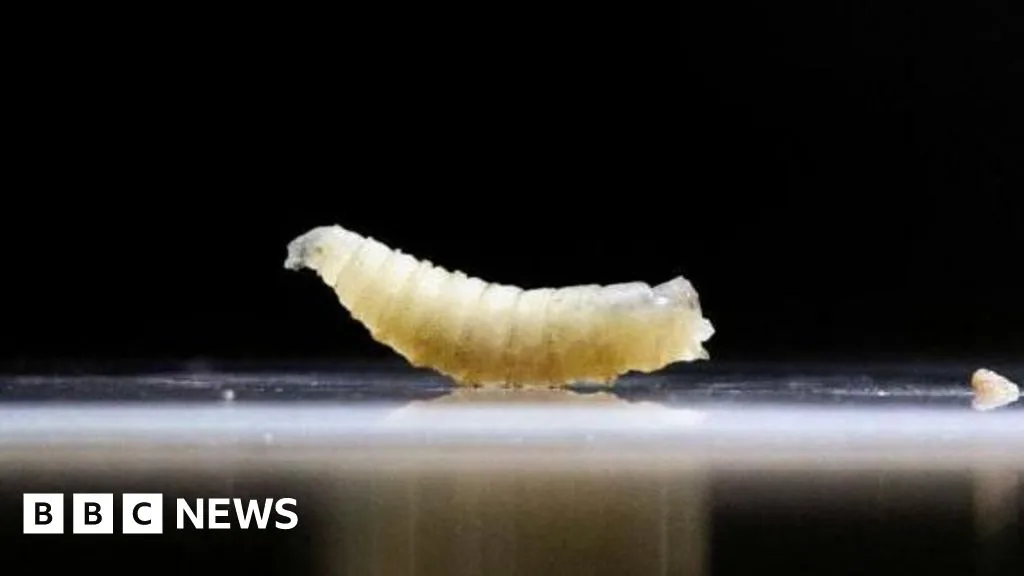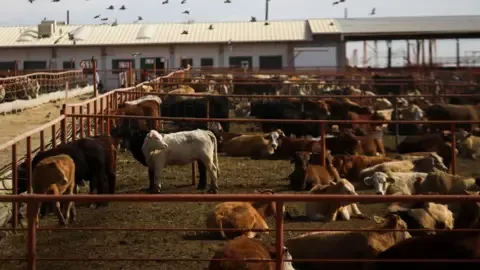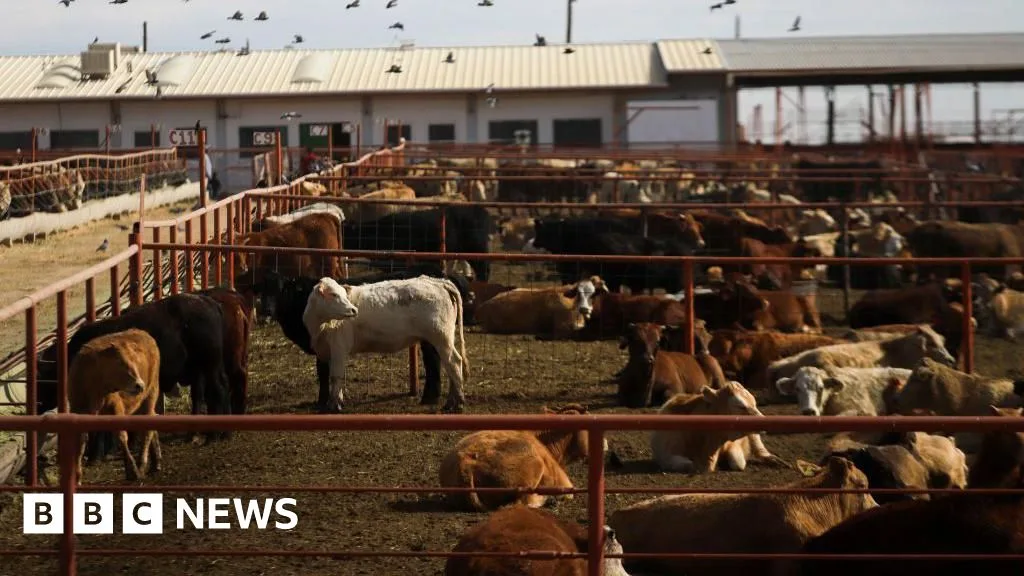
The United States Department of Agriculture (USDA) confirmed five cases of the New World screwworm parasite in Texas and New Mexico by June 8, marking the first known outbreak in US cattle since the 1960s [1, 2, 3]. The parasite was first detected on June 3 in a three-week-old calf in La Pryor, Texas, near the Mexico border about 30 to 50 miles away [4, 5, 6]. A second calf case was found days later in Zavala County, Texas, approximately 5.6 miles from the initial site [7, 8, 3]. Additional infections included a calf in La Salle County, a goat in Gillespie County, both in Texas, and a dog in Lea County, New Mexico, correcting earlier reports placing the dog in Andrews County, Texas [1, 2].
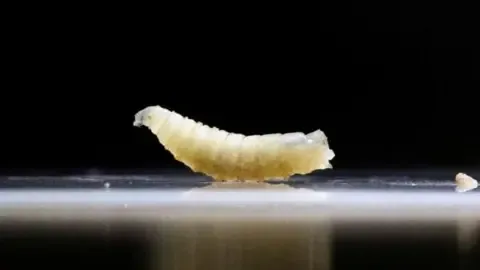
New World screwworm larvae burrow into the living flesh of warm-blooded animals, creating painful wounds that can be fatal if untreated. While human infections are possible, the risk is considered low [4, 7, 6, 9]. Texas agriculture officials warned the outbreak could lead to significant economic losses due to animal deaths, treatment costs, and potential beef supply shortages, especially with the US cattle herd at a 75-year low [1, 2, 9, 6]. The Texas cattle industry could face losses estimated at $1.8 billion if the parasite spreads widely [6].
Texas Governor Greg Abbott declared a state of disaster over the outbreak, stating, "This is likely to spread over the course of the summer" [7]. Texas Agriculture Commissioner Sid Miller criticized federal preparedness, saying, "For months, the screwworm has advanced rapidly through Mexico in spite of the USDA’s existing gameplan... Now that it appears the first screwworm has arrived in Texas, the consequences of that decision are now staring us in the face" [5]. Meanwhile, USDA Under Secretary Dudley Hoskins assured the public, "USDA has not wasted any time in this fight, we have defeated New World screwworm before, and we will do it again" [3].
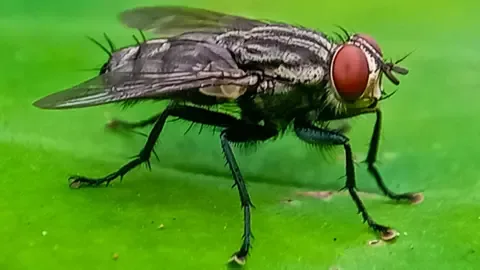
To contain the outbreak, USDA and Texas officials established a 20-kilometer-wide control zone around the detection area. They enacted quarantines, movement controls, and increased surveillance [4, 7, 8, 10, 11, 9]. As part of eradication efforts, millions of sterile male screwworm flies are being released to prevent reproduction of the wild population, an approach known as the sterile insect technique [4, 8, 12, 9]. An existing USDA sterile fly production facility is under construction but not expected to be operational until late 2027 [12]. Approximately 600 million sterile flies will be needed to achieve effective control [4].
Canada responded to the outbreak by temporarily banning imports of livestock from Texas that had been in the state within 21 days before crossing the border [7, 2, 3]. The USDA is investing over $1 billion in combating the outbreak, reflecting the high economic stakes [2].
The screwworm has been moving northward from Central America through Mexico since 2023, with a 53% increase in animal cases reported in Mexico during July-August 2025. Sporadic US cases have occurred in recent years but the current Texas outbreak is the first cattle case in decades [5, 6].
Officials continue investigations and surveillance as the outbreak unfolds. USDA Under Secretary Hoskins said, "This situation is evolving, and we expect new information to emerge as our investigation continues" [1]. Animal owners and caretakers have been urged to remain vigilant amid ongoing control measures [8].