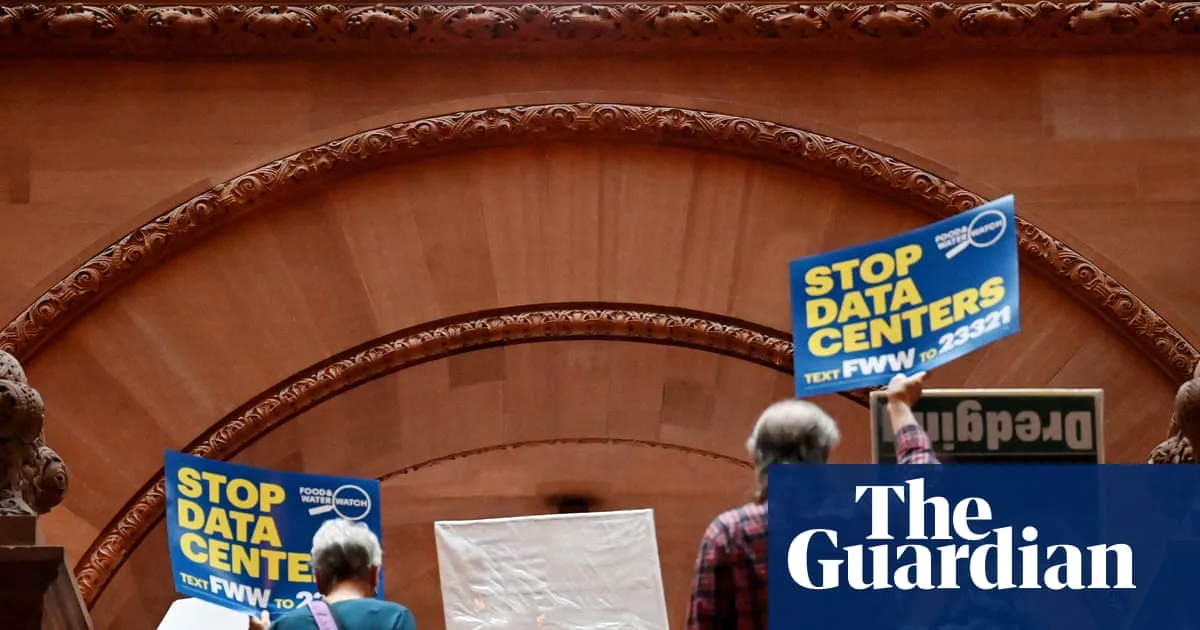
The New York State legislature approved a one-year moratorium on permits for new large data centers with peak power demands over 20 megawatts, pending Governor Kathy Hochul’s approval as of June 5, 2026 [1, 2, 3, 4, 5, 6]. If signed, New York would become the first U.S. state to enact such a ban on new data centers [1, 2, 3, 4, 5, 6].
The moratorium targets "hyperscale" data centers and requires new projects to complete an environmental impact report detailing water usage, electricity consumption, and other effects [1, 2, 3]. It also mandates public hearings funded by the applicants at least three months before any approval [3, 4, 5, 6]. In addition, the New York Department of Environmental Conservation must produce detailed reports on local water use, electricity demand, and tax revenue for proposed data centers [2, 3]. The Public Service Commission is directed to create a separate utility rate class for these large centers to prevent infrastructure upgrade costs from spreading to all ratepayers [2].
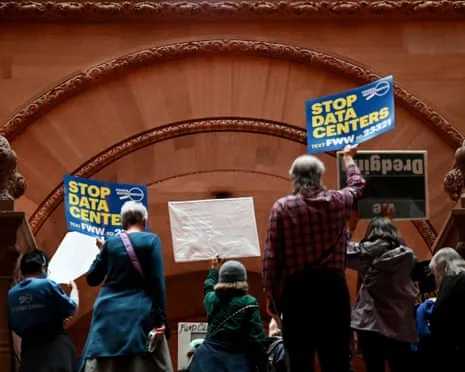
The bill includes prevailing wage requirements for construction workers and energy efficiency standards for future projects [2]. Currently, there are between 24 and 28 large data center proposals under review in the state, representing approximately 9,000 to 9,682 megawatts of potential new load on an aging grid [1, 3]. Public opposition is strong, with polls showing 65% to 75% of Americans opposing new data centers near their communities [1, 4, 5, 6]. Critics highlight concerns about enormous electricity and water consumption, stress on local power grids, noise pollution, and relatively few jobs generated [1, 4, 5, 6].
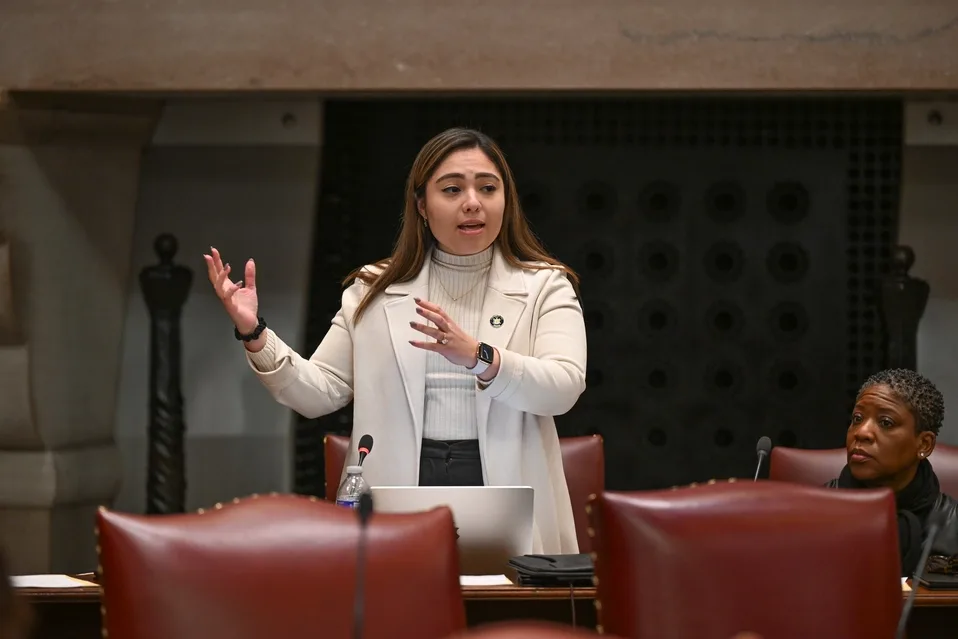
Senator Kristen Gonzalez said, "Big tech has been used to writing their own rules... This is one of the first times that we’re really drawing a line in the sand and saying... New Yorkers are in the driver’s seat" [1]. Supporters argue the moratorium protects water, energy, green space, and local communities from unchecked data center growth driven by big tech and AI expansion [1]. However, some industry groups warned the moratorium could harm New York’s economy. Stacey Sikes, acting CEO of the Long Island Association, said, "The moratorium would overall be damaging to the state’s economy... it would not allow the state to move forward on a data center project that would actually be helpful to our economy" [3].
An earlier version of the bill proposed a longer moratorium of three years plus 90 days with a more extensive environmental review but was shortened before final passage [2, 3]. Similar legislation in Maine in April 2026 was vetoed by that state’s governor over lack of project exemptions [3, 4, 6].
Governor Kathy Hochul has until December 31, 2026, to sign or veto the bill [3].