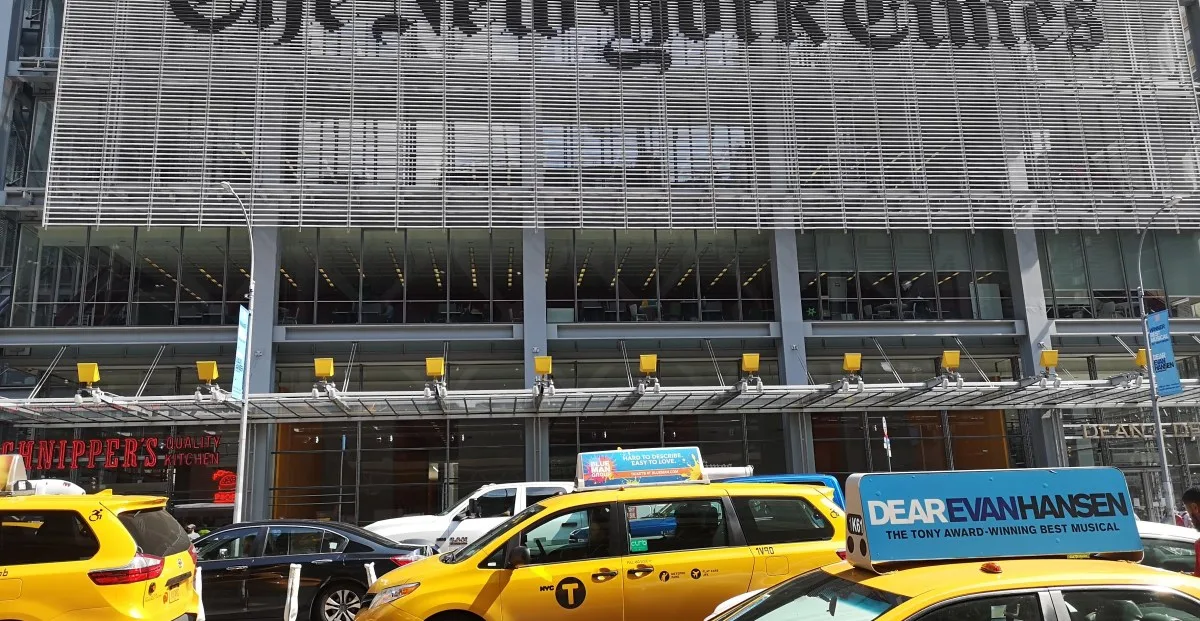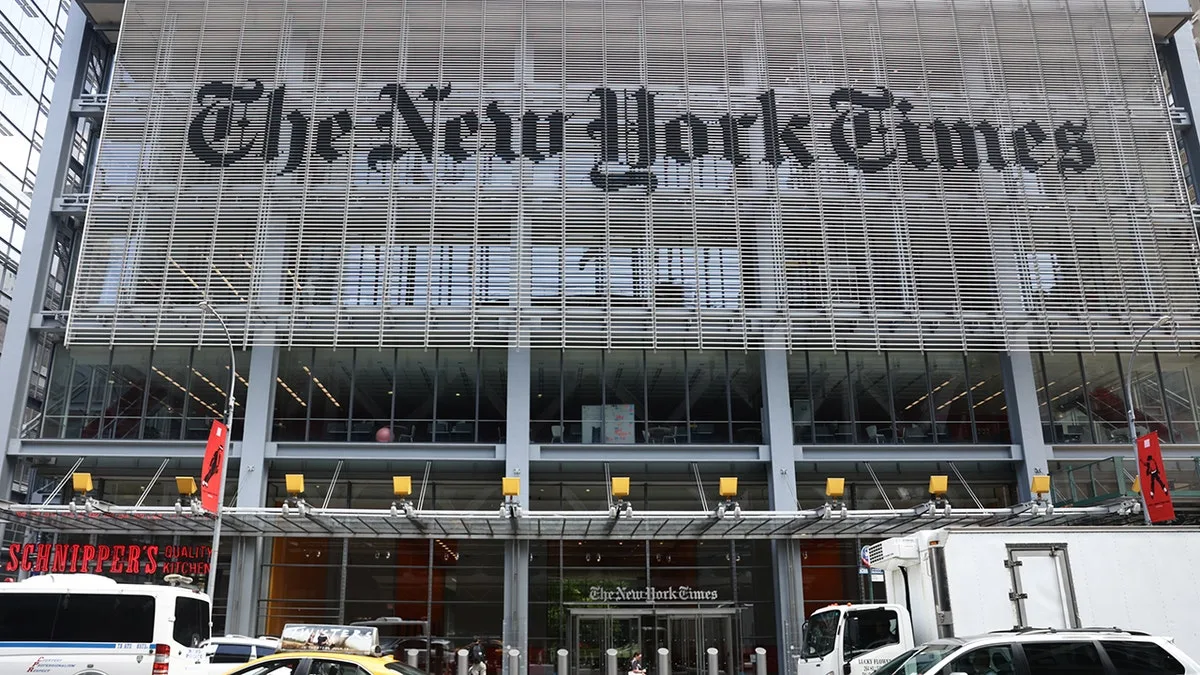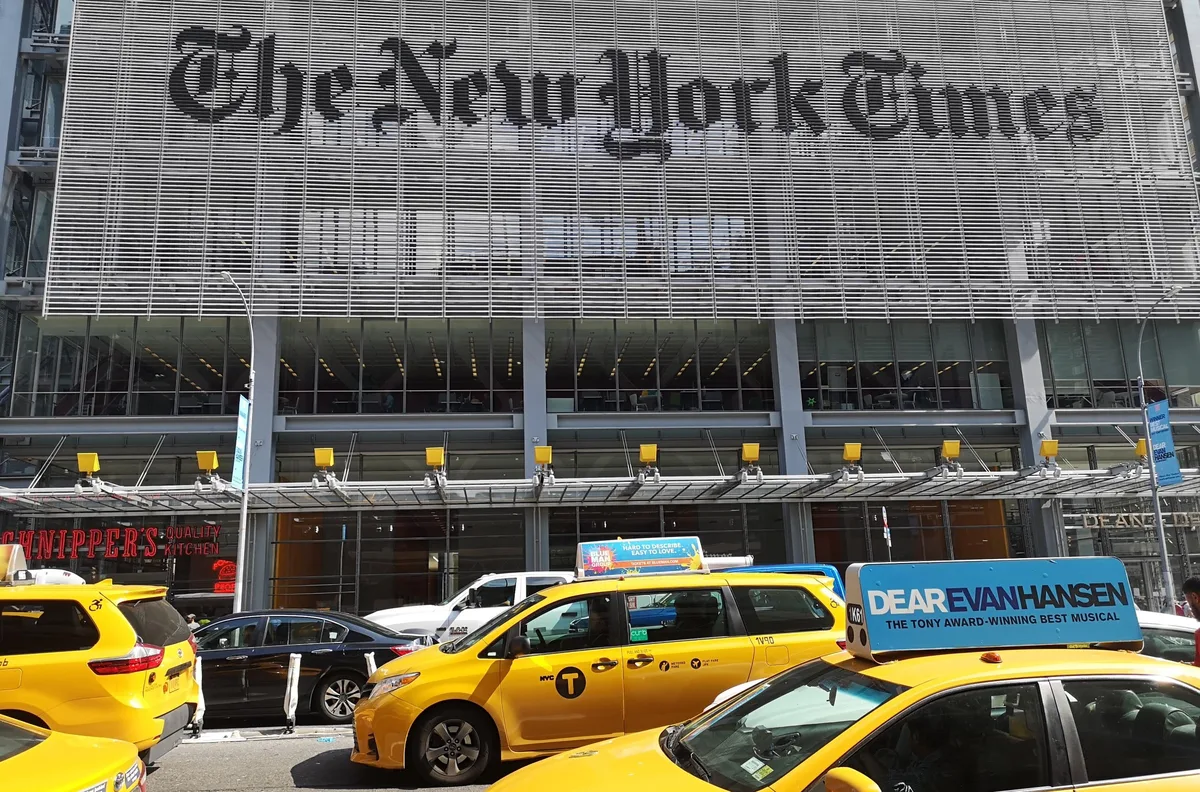
The New York Times has used artificial intelligence tools, including one named DX, to monitor and evaluate the performance of unionized technology employees, according to union representatives [1, 2]. The Tech Guild, representing about 700 unionized software engineers, designers, product and project managers, and data analysts at the Times, claims this AI monitoring violates their collective bargaining agreement [1, 2].
On August 13, the Tech Guild filed two grievances and an unfair labor practice charge related to the company’s use of AI to surveil staff and management’s alleged refusal to share information about the AI tools with the union [2]. About one week before the filings, unionized staff held a “Rally for a Fair Contract” outside the Times headquarters seeking contract protections on AI usage and transparency [2].
Benjamin Harnett, a union representative and chair of the Tech Guild’s generative AI committee, said AI metrics produce an inaccurate and opaque view of employee contributions. He stated, “Using AI to surveil our work violates our contract and creates a skewed, inaccurate picture of our members’ work. Our work takes human judgment, problem-solving and skill that can't be accurately assessed by AI analysis and proxy metrics. It's the equivalent of setting an arbitrary story quota for journalists.” [2]
The AI tool DX was initially presented as a developer productivity measurement system to track company-wide metrics but has increasingly been applied to individuals for performance benchmarking and disciplinary decisions [1].
New York Times management disputes the union’s claims and said it will respond to the grievances through the normal contractual process. A spokesperson noted the company has provided over 80 responses to union information requests in recent years and will respond to the current charge in due course [2].
Susan DeCarava, president of the NewsGuild of New York which represents three bargaining units at the Times including the Tech Guild, condemned the Times for a "lack of transparency and accountability" regarding AI use against workers. She said, "Workers everywhere are under attack from the unethical use of artificial programs by bosses. Sadly, New York Times management has proven themselves to be no different, rejecting both transparency and accountability for how artificial programs are being used against the very workers who help make the company successful." [2]
The conflict highlights ongoing tensions as unions seek protections and clearer policies around AI surveillance and monitoring in workplace contracts. The Times and the Tech Guild are expected to continue negotiations and arbitration procedures to address the grievances filed on August 13 [2].