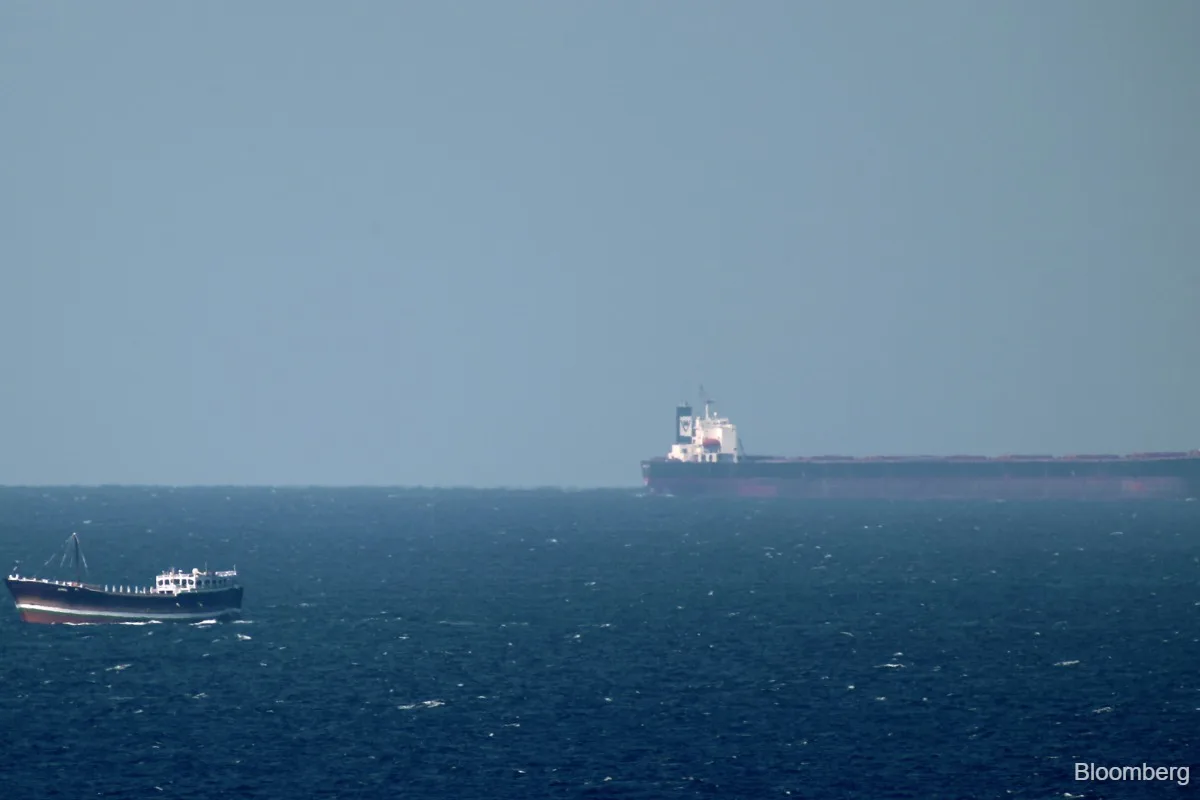
Nine large vessels carrying oil, fuel, and liquefied petroleum gas have transited the Strait of Hormuz since Sunday, marking an increase after recent weeks of tight restrictions, sources reported [1, 2]. Among these were two India-bound LPG carriers, Symi and NV Sunshine, that passed despite ongoing US and Iranian transit restrictions [2, 1].
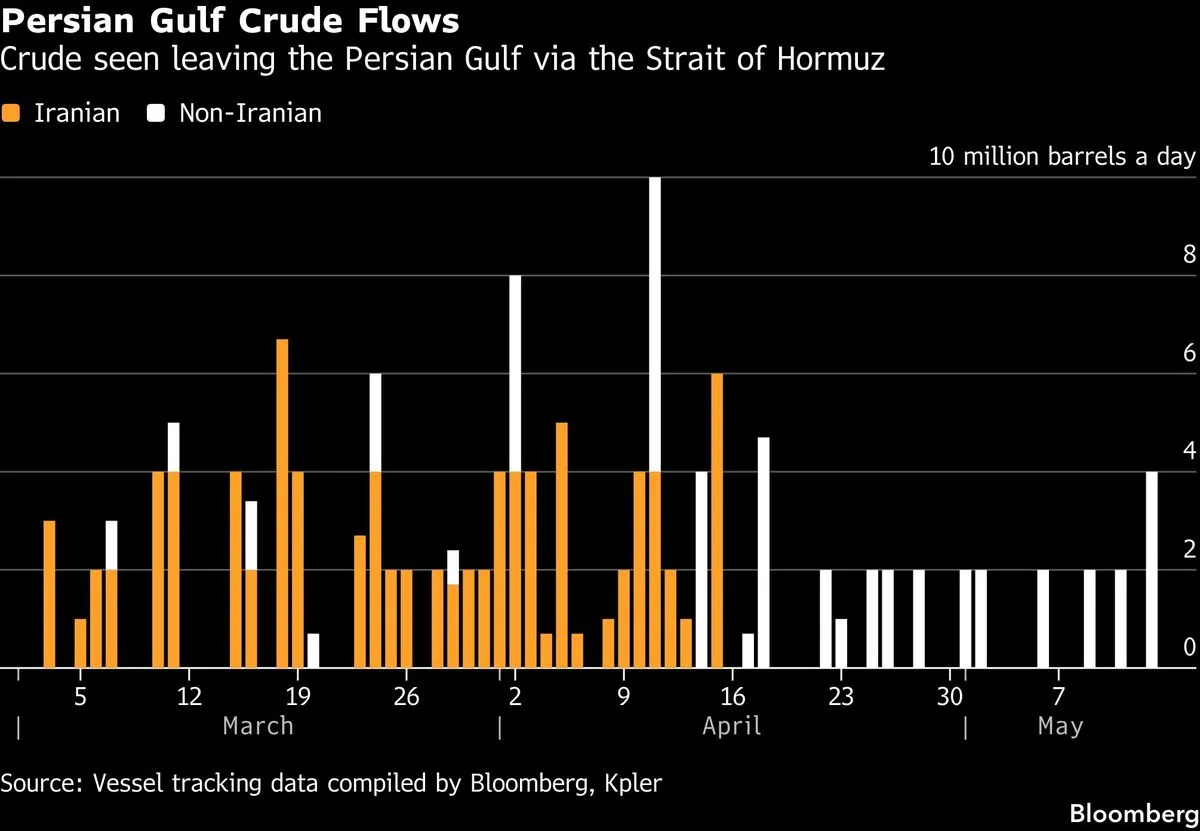
Since May 10, four supertankers carrying roughly two million barrels each of mostly Iraqi crude oil exited through Hormuz, totaling about 8 million barrels in just a few days [3, 4]. This amounts to an average of close to two million barrels per day flowing out of the critical Strait.
Oil flows have risen slightly but remain well below pre-war levels when as many as 20 tankers crossed daily [3, 4]. The blockade of Hormuz imposed since the Iran war began in late February has reduced global oil supply by approximately one billion barrels [3, 4]. Many vessels have turned off satellite tracking in the Strait, suggesting potential untracked passages [2, 3, 1].
Iran began enforcing a new transit process in early May through the Persian Gulf Strait Authority, adding protocol amid a US naval blockade of Iranian ports [3]. Oil traders remain wary about shipping risks and uncertain whether exiting tankers will return soon given the volatile situation [3].
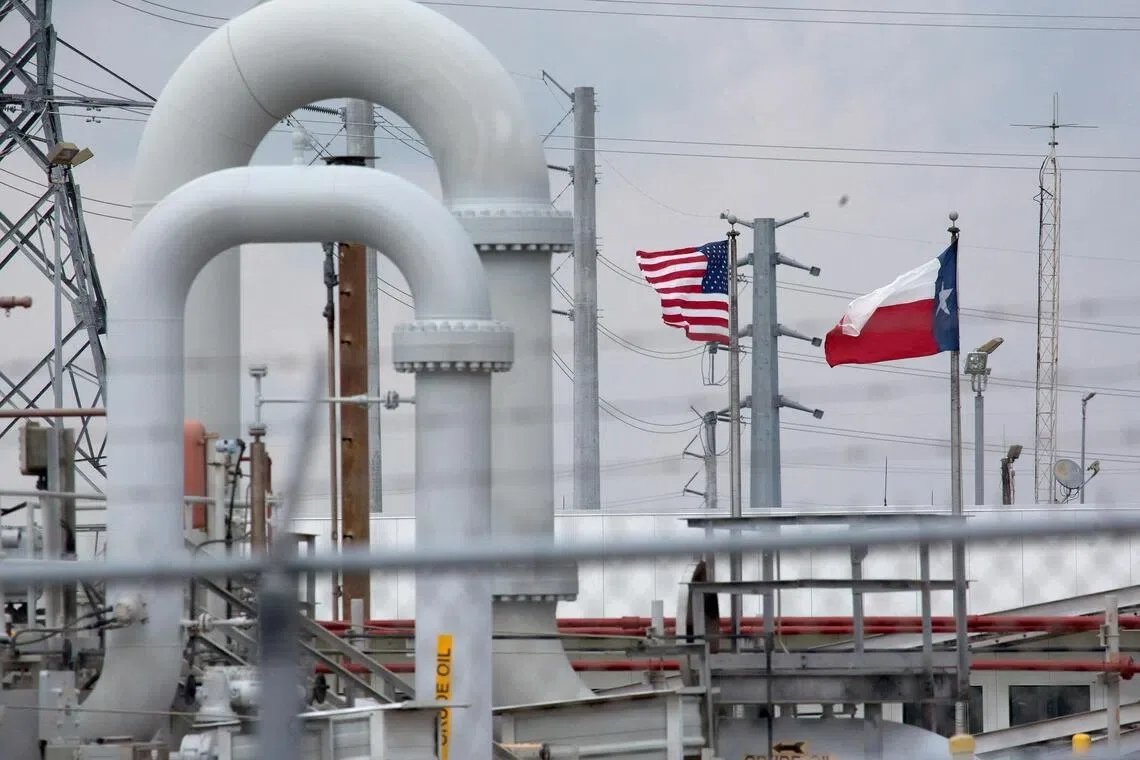
The United States has released crude from its Strategic Petroleum Reserve to ease supply pressures, exporting nearly half of reserves released since March—about 13 million barrels—to Europe and other regions [5]. The US plans a total SPR release of 172 million barrels but has loaned out 133 million barrels so far [5].
Georgios Sakellariou, a freight analyst at Signal Maritime, said, "There’s been an increase but the levels are so low that it won’t make much of a difference. The major issue is that even if all the tankers inside leave, new ones won’t be entering anytime soon" [3].
The recent rise in shipments offers limited relief for the global oil market, which faces its largest supply disruption in history [3, 4]. Monitoring of vessel movements and compliance with new Iranian procedures continues as trade flows remain uncertain.